



Key Points
- Drug addiction is not only a physical dependence but also involves significant psychological and emotional challenges.
- The emotional impact of addiction can lead to feelings of shame, guilt, anxiety, and depression, which contribute to continued substance use.
- Psychological factors such as trauma, stress, and mental health disorders can play a major role in the development and maintenance of addiction.
- Effective addiction treatment must address both the physical and psychological aspects of addiction for long-term recovery.
The Psychological and Emotional Aspects of Drug Addiction
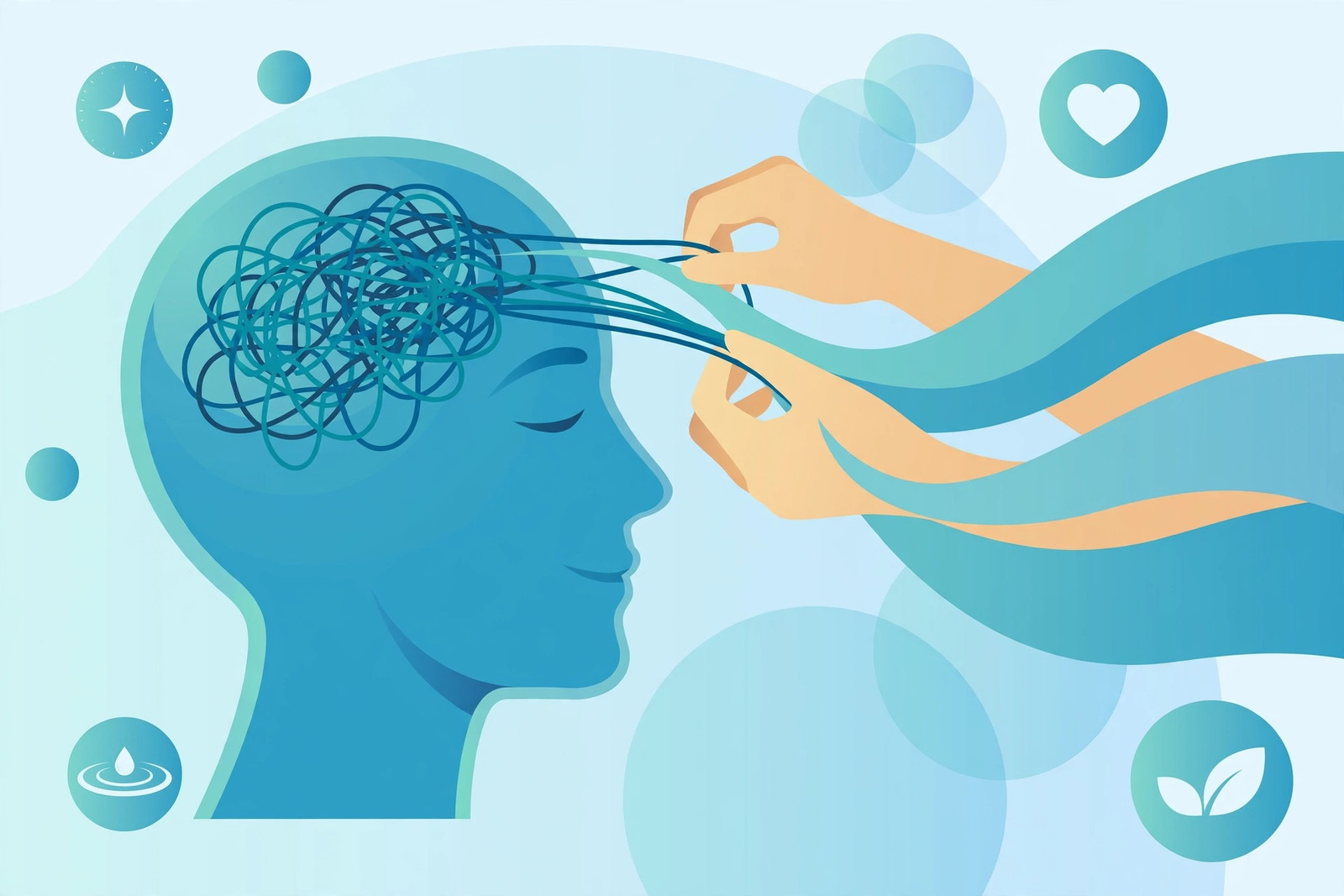
Drug addiction is often seen as a physical problem, but it also has deep psychological and emotional roots. Understanding the psychological and emotional aspects of addiction is essential for creating effective treatment plans that address the underlying causes and support long-term recovery.
Addiction is not just about the physical cravings for a substance; it is also about the emotional and mental struggles that drive an individual to continue using drugs despite the negative consequences. In this article, we will explore how drug addiction affects the mind and emotions, and why addressing these aspects is critical to overcoming addiction.
1. The Role of Mental Health in Addiction
Mental health plays a significant role in both the development and maintenance of drug addiction. Individuals with untreated mental health issues such as anxiety, depression, or post-traumatic stress disorder (PTSD) may turn to drugs as a form of self-medication, hoping to alleviate emotional pain or distress. Unfortunately, drug use often exacerbates these issues, creating a cycle of dependence and emotional suffering.
Common Mental Health Issues Associated with Drug Addiction:
- Depression: Many individuals with drug addiction also suffer from depression. They may use drugs to numb their feelings of sadness, hopelessness, or emptiness, which provides only temporary relief and worsens the underlying condition over time.
- Anxiety: People with anxiety disorders may use drugs to cope with persistent feelings of worry, fear, or unease. Substance use may provide short-term relief, but it often leads to increased anxiety in the long run.
- PTSD: Individuals who have experienced trauma may use drugs to escape painful memories or flashbacks. While drugs may offer temporary relief, they often prevent individuals from confronting and processing their trauma in a healthy way.
- Bipolar disorder: People with bipolar disorder may use drugs to manage mood swings or manic episodes, seeking the euphoric effects of substances during depressive periods or trying to calm themselves during periods of high energy.
Why Mental Health Is Crucial in Addiction Treatment:
- Addressing the root cause: Treating mental health issues alongside addiction is essential for addressing the root causes of substance use. Without addressing underlying psychological conditions, addiction treatment may only offer temporary relief, and relapse is more likely.
- Improved recovery outcomes: When mental health is properly managed in conjunction with addiction treatment, individuals are more likely to achieve long-term recovery and emotional stability.
- Holistic treatment: Effective treatment for addiction involves addressing both physical cravings and psychological factors, ensuring that individuals receive comprehensive care.
2. The Emotional Impact of Drug Addiction
The emotional consequences of addiction are often profound. As individuals become more dependent on drugs, they may experience a range of negative emotions, including shame, guilt, anxiety, and anger. These emotions can be self-perpetuating, as the individual uses drugs to cope with emotional pain, which then leads to further negative consequences and emotional turmoil.
Common Emotional Effects of Drug Addiction:
- Shame and guilt: People with addiction often feel deep shame or guilt about their behavior, especially when they hurt loved ones or experience the negative consequences of their drug use. These emotions can lead to further substance use as a way to escape or numb these painful feelings.
- Isolation and loneliness: Addiction often leads to social isolation, as individuals withdraw from family and friends or feel misunderstood by those around them. This isolation can intensify feelings of loneliness and depression.
- Anger and frustration: Many people with addiction struggle with intense feelings of anger or frustration, especially when they are unable to control their drug use or face the consequences of their behavior. These feelings can fuel further substance use as a means of coping.
- Depression and hopelessness: The ongoing struggle with addiction can lead to feelings of hopelessness, as individuals may feel trapped in their addiction and unable to change. This can further contribute to depressive feelings and exacerbate the addiction.
Why Emotional Support Is Key in Addiction Recovery:
- Healing emotional wounds: Addressing the emotional impacts of addiction is essential for healing. Without processing and managing emotions like guilt, shame, and anger, individuals may struggle to maintain their recovery and develop healthier coping mechanisms.
- Building self-worth: Emotional support helps individuals build self-worth and self-compassion, which are crucial for long-term recovery. Learning to forgive oneself and move beyond past mistakes is a critical part of the healing process.
- Improving mental clarity: By addressing the emotional pain that often accompanies addiction, individuals can gain greater clarity and perspective, which aids in decision-making and helps prevent relapse.
3. The Cycle of Addiction: Emotional Pain and Substance Use
One of the main reasons drug addiction is so difficult to overcome is the cycle of emotional pain and substance use. When individuals experience negative emotions, they often turn to drugs to self-medicate, temporarily numbing the pain. However, drug use only provides short-term relief and often leads to long-term emotional and physical consequences, which fuel further substance use.
The Emotional Pain-Substance Use Cycle:
- Emotional distress: A person may feel sad, anxious, angry, or overwhelmed by stress, trauma, or mental health issues.
- Drug use as a coping mechanism: To numb these emotions, the individual uses drugs, which may temporarily alleviate the emotional pain.
- Consequences of drug use: Drug use leads to negative consequences, such as physical health problems, relationship issues, or legal troubles.
- Increased emotional pain: The consequences of drug use can lead to feelings of guilt, shame, and hopelessness, which increases emotional distress.
- Continued use: In an attempt to escape these negative emotions, the person continues to use drugs, perpetuating the cycle.
Breaking the Cycle:
- Therapy and counseling: Cognitive Behavioral Therapy (CBT), Dialectical Behavior Therapy (DBT), and other therapeutic approaches can help individuals break the cycle of addiction by teaching them how to cope with emotions in healthy ways and develop new, positive behaviors.
- Building resilience: Developing emotional resilience through therapy, support groups, and self-care practices helps individuals cope with life’s challenges without turning to substances.
- Mindfulness and emotional regulation: Mindfulness practices can help individuals learn to accept and manage their emotions without reacting impulsively. This can reduce the need to self-medicate with drugs.
4. Addressing the Psychological Causes of Addiction
Addiction is often fueled by psychological factors such as trauma, stress, and mental health disorders. Addressing these underlying issues is crucial for achieving long-term recovery. By working through psychological pain and building healthy coping strategies, individuals can reduce the risk of relapse and build a more fulfilling life.
Psychological Factors Contributing to Addiction:
- Trauma: Childhood trauma, abuse, or neglect can contribute to substance use as individuals try to cope with the emotional pain from these experiences.
- Stress: Chronic stress, whether from work, relationships, or financial problems, can drive individuals to use drugs as a way to manage or escape their stress.
- Mental health disorders: As mentioned earlier, conditions such as depression, anxiety, and PTSD are commonly linked to addiction. Treating both addiction and mental health disorders is essential for comprehensive recovery.
How to Address Psychological Causes in Treatment:
- Trauma-informed care: Therapy that focuses on trauma recovery helps individuals address the root causes of their substance use and develop healthier coping mechanisms.
- Dual diagnosis treatment: For individuals with co-occurring mental health disorders, dual diagnosis treatment can address both addiction and mental health issues simultaneously, improving outcomes for long-term recovery.
- Stress management techniques: Teaching individuals effective ways to manage stress, such as relaxation techniques, exercise, and time management, can reduce the urge to self-medicate with drugs.
5. The Importance of Long-Term Psychological Support
Recovery from drug addiction is a long-term process that involves addressing both the physical and psychological aspects of addiction. Ongoing psychological support is essential to help individuals stay sober, manage emotional challenges, and prevent relapse.
Forms of Long-Term Psychological Support:
- Therapy and counseling: Continuing therapy, such as CBT or DBT, can help individuals maintain emotional stability and address any new challenges that arise in recovery.
- Support groups: Groups like Narcotics Anonymous (NA) or SMART Recovery provide a supportive community where individuals can share experiences, gain encouragement, and learn from others in recovery.
- Life skills training: Building life skills such as emotional regulation, communication, and problem-solving helps individuals navigate challenges without turning to substances.
Why Long-Term Support Matters:
- Reduces the risk of relapse: Ongoing psychological support helps individuals stay focused on their recovery goals and manage emotions that may trigger a relapse.
- Improves emotional well-being: Long-term support fosters emotional growth and resilience, allowing individuals to better handle stress and life challenges.
- Promotes a fulfilling life: With the right psychological support, individuals can rebuild their lives, improve relationships, and pursue new goals without relying on drugs.
Red Flags to Watch For
- Increased substance use: If a person begins to use substances more frequently or in larger amounts, it may indicate a worsening of addiction.
- Emotional instability: Severe mood swings, anxiety, depression, or anger can signal that emotional struggles are contributing to substance use.
- Withdrawal from support systems: If an individual isolates themselves from family, friends, or therapy, it may suggest that they are struggling to cope with recovery.
Frequently Asked Questions
How do emotions contribute to drug addiction?
Emotions such as stress, depression, and anxiety can lead individuals to use drugs as a way to self-medicate or escape from painful feelings. Over time, this reliance on substances to manage emotions can lead to addiction.
Can therapy help with the psychological aspects of addiction?
Yes, therapy is crucial in addressing the psychological aspects of addiction. Therapy helps individuals develop coping strategies for managing emotions and breaking the cycle of addiction.
Is recovery from addiction possible?
Yes, recovery is possible with the right support, treatment, and commitment. Addressing both the physical and psychological aspects of addiction is key to long-term recovery.
Key Takeaways
The psychological and emotional aspects of drug addiction play a significant role in the development and maintenance of addiction. Understanding these factors is essential for providing effective treatment and supporting long-term recovery. By addressing the root causes of addiction, including trauma, stress, and mental health issues, individuals can build resilience and emotional stability, reducing the risk of relapse and improving their overall quality of life.
