



Key Points
- Seasonal Affective Disorder (SAD) is a form of depression that typically occurs during the fall and winter months.
- Symptoms of SAD include fatigue, sadness, changes in sleep patterns, and social withdrawal.
- Treatment options for SAD include light therapy, medication, and lifestyle changes.
- Managing SAD involves addressing lifestyle factors, such as diet, exercise, and exposure to natural light.
Understanding Seasonal Affective Disorder (SAD) and How to Manage It
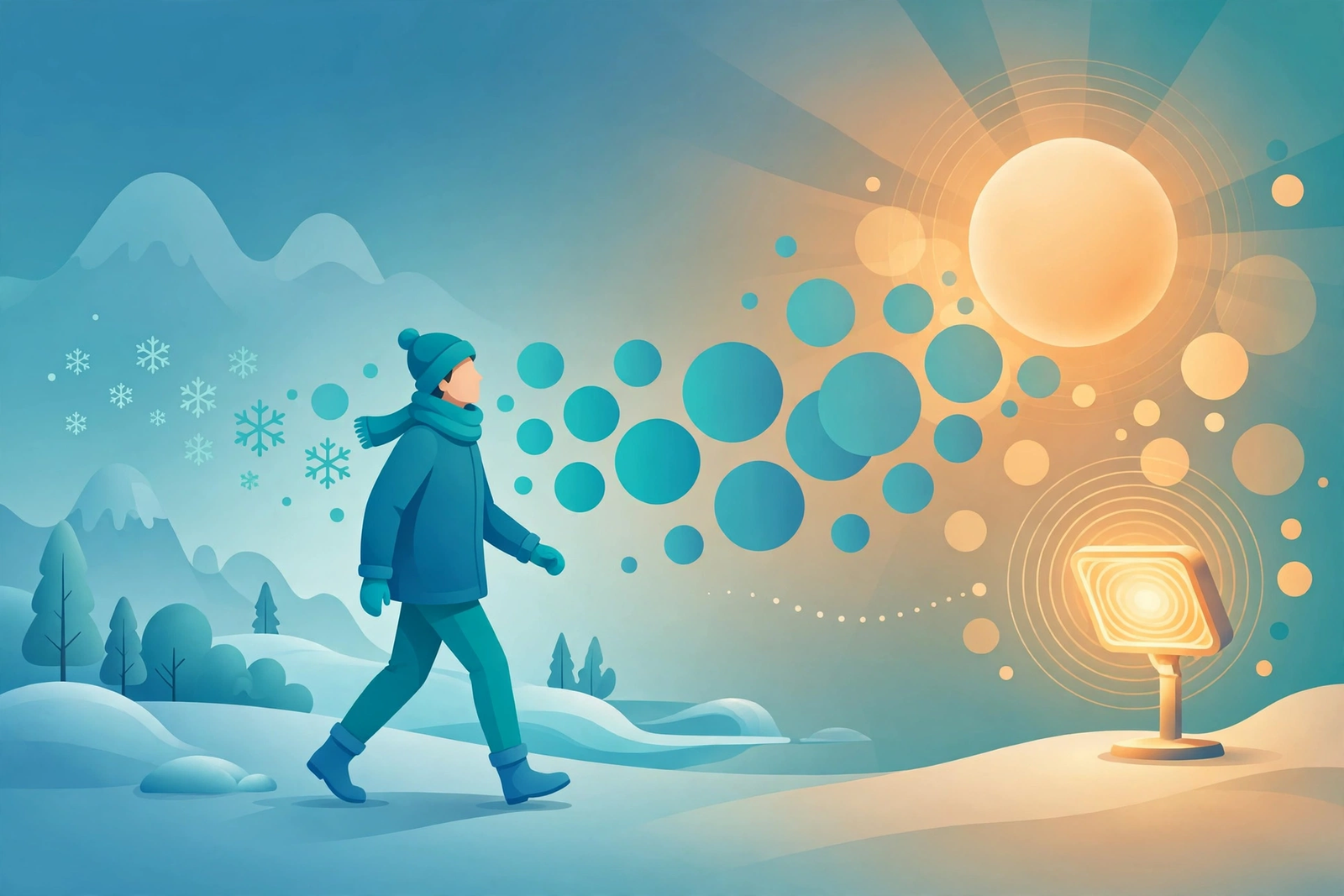
As the days grow shorter and the weather turns colder, some individuals experience a shift in mood, energy levels, and overall well-being. This shift is known as Seasonal Affective Disorder (SAD), a type of depression that occurs seasonally, typically during the fall and winter months when daylight hours are shorter.
While SAD is often referred to as the “winter blues,” it is a clinically recognized form of depression with distinct symptoms and treatment options. In this article, we will explore the symptoms, causes, and effective treatment options for Seasonal Affective Disorder (SAD), as well as practical tips for managing its impact.
What is Seasonal Affective Disorder (SAD)?
Seasonal Affective Disorder (SAD) is a type of depression that follows a seasonal pattern, typically occurring during the fall and winter months when daylight is limited. Individuals with SAD experience symptoms similar to major depressive disorder (MDD), but these symptoms tend to occur during specific seasons and improve with the arrival of spring or increased sunlight.
Symptoms of SAD
SAD symptoms can vary in intensity and duration, but they generally include the following:
- Persistent sadness or hopelessness: A feeling of sadness or emotional emptiness that lasts throughout the winter months.
- Fatigue: A feeling of low energy or tiredness, even after adequate sleep.
- Changes in sleep patterns: Difficulty waking up in the morning, oversleeping, or excessive daytime sleepiness.
- Changes in appetite: Craving carbohydrates or overeating, which can lead to weight gain.
- Social withdrawal: A tendency to isolate oneself, avoid social activities, or lack interest in hobbies and interactions with others.
- Difficulty concentrating: A sense of mental fog or trouble focusing on tasks.
- Loss of interest in usual activities: A lack of enthusiasm for activities that once brought joy or fulfillment.
- Irritability or anxiety: Increased irritability or heightened feelings of anxiety.
While these symptoms may appear in many individuals during the winter months, for those with SAD, these feelings are more intense, long-lasting, and disruptive to daily life.
Causes of Seasonal Affective Disorder
The exact cause of SAD is not fully understood, but several factors are thought to contribute to the development of the condition:
1. Lack of Sunlight Exposure
The primary factor believed to contribute to SAD is reduced exposure to natural light during the fall and winter months. Shorter days and longer nights can disrupt the body’s internal clock (circadian rhythm), affecting mood-regulating neurotransmitters and hormones, including serotonin and melatonin.
- Serotonin: This neurotransmitter is linked to mood regulation. Reduced sunlight can lower serotonin levels, leading to feelings of depression.
- Melatonin: Melatonin helps regulate sleep patterns. Longer nights and reduced sunlight exposure can disrupt melatonin production, leading to changes in sleep patterns and feelings of fatigue.
2. Vitamin D Deficiency
Vitamin D, which is produced by the body in response to sunlight exposure, plays an important role in mood regulation. Reduced sunlight during the winter months can lead to a deficiency in vitamin D, which has been linked to the development of depression and SAD.
3. Genetic and Biological Factors
Some individuals may be more susceptible to developing SAD due to genetic or biological factors. People with a family history of depression or other mood disorders may be at higher risk for developing SAD. Additionally, imbalances in brain chemicals, such as serotonin, norepinephrine, and dopamine, can contribute to the development of depressive symptoms.
4. Pre-existing Mental Health Conditions
People who have a history of major depressive disorder or other mental health conditions may be more likely to experience SAD during the winter months. The seasonal nature of the disorder can make it easier to identify patterns and seek treatment early.
Treatment Options for Seasonal Affective Disorder (SAD)
While SAD can be challenging, there are several effective treatments available that can help manage symptoms and improve quality of life. Treatment often involves a combination of therapy, medication, and lifestyle changes.
1. Light Therapy (Phototherapy)
Light therapy is one of the most commonly used treatments for SAD. It involves exposure to bright light, typically from a special light box that mimics natural sunlight. Light therapy helps regulate the body’s internal clock, improve serotonin levels, and improve mood.
How Light Therapy Works:
- Exposure to bright light: Light therapy usually involves sitting in front of a light box for about 20 to 30 minutes each morning. The light should be at least 10,000 lux in intensity (about 20 times brighter than regular indoor lighting).
- Consistency: Light therapy should be done consistently, ideally every day during the fall and winter months, to effectively alleviate symptoms of SAD.
- Timing: The best time to use light therapy is typically in the morning, as it helps regulate the circadian rhythm and improve sleep patterns.
2. Medication
In some cases, medication may be prescribed to treat SAD. Antidepressants, especially Selective Serotonin Reuptake Inhibitors (SSRIs), can help regulate serotonin levels and alleviate depressive symptoms.
Medication Options for SAD:
- SSRIs: SSRIs, such as fluoxetine (Prozac) or sertraline (Zoloft), are commonly prescribed for SAD. These medications help increase serotonin levels in the brain, which can improve mood and reduce symptoms of depression.
- SNRIs: Serotonin-norepinephrine reuptake inhibitors (SNRIs), such as venlafaxine (Effexor), may also be prescribed to regulate serotonin and norepinephrine levels.
Medication is typically recommended when symptoms are severe or when light therapy and lifestyle changes are not enough to manage symptoms.
3. Cognitive Behavioral Therapy (CBT)
Cognitive Behavioral Therapy (CBT) is a type of psychotherapy that focuses on identifying and changing negative thought patterns and behaviors. CBT for SAD helps individuals manage their thoughts and emotions, cope with the challenges of winter, and develop positive coping strategies.
Benefits of CBT:
- Addressing negative thinking: CBT helps individuals recognize and reframe negative thoughts that contribute to depression.
- Behavioral activation: CBT encourages individuals to engage in activities and behaviors that improve mood and combat feelings of isolation and sadness.
- Coping skills: CBT helps individuals develop effective coping strategies to manage stress and emotional challenges during the winter months.
4. Vitamin D Supplements
Since vitamin D deficiency is common in individuals with SAD, taking vitamin D supplements may help alleviate symptoms. Consult with a healthcare provider to determine the appropriate dosage.
5. Lifestyle Changes
Incorporating the following lifestyle changes can help manage symptoms of SAD and improve overall well-being:
- Exercise: Regular physical activity, especially outdoors, can help boost mood and combat feelings of lethargy. Even a brisk walk during daylight hours can be beneficial.
- Diet: Eating a balanced diet rich in nutrients, including omega-3 fatty acids, B vitamins, and antioxidants, can support brain health and improve mood.
- Sleep hygiene: Maintaining a consistent sleep schedule and getting adequate rest can help regulate mood and energy levels.
Red Flags to Watch For
If you or someone you know is experiencing symptoms of SAD, it’s important to seek help if:
- Symptoms worsen: If symptoms of SAD become more severe or prolonged, it may indicate a need for professional treatment.
- Suicidal thoughts: If thoughts of suicide or self-harm arise, seek immediate help from a mental health professional or a crisis helpline.
- Interference with daily life: If depression symptoms interfere with work, relationships, or daily activities, additional support and treatment may be necessary.
Frequently Asked Questions
How do I know if I have SAD or just feel down during the winter?
SAD is characterized by a specific pattern of depressive symptoms that occur during the fall and winter months and improve during the spring and summer. If your symptoms persist for weeks or months and interfere with daily activities, it may be time to seek professional help.
Can light therapy help with other forms of depression?
Light therapy is primarily used for SAD but may also benefit individuals with other forms of depression, especially if their symptoms are related to disruptions in circadian rhythms. It’s important to consult with a healthcare provider to determine the best treatment options for your condition.
How long does it take to see results from light therapy?
Most people begin to notice improvements in mood and energy levels within one to two weeks of starting light therapy. Consistency is key for the best results.
Key Takeaways
Seasonal Affective Disorder (SAD) is a form of depression that typically occurs during the fall and winter months. It is characterized by symptoms such as fatigue, sadness, and changes in sleep and appetite. Light therapy, medication, Cognitive Behavioral Therapy (CBT), and lifestyle changes are effective treatments for managing SAD. By addressing both the physical and emotional aspects of SAD, individuals can improve their mental health and overall well-being during the winter months.
If you or someone you know is struggling with SAD, consider consulting a healthcare provider to explore treatment options and develop a personalized plan for managing symptoms.
