



Key Points
- Adjustment disorder often leads to periods of self-reflection, providing an opportunity for individuals to discover new aspects of themselves and redefine their sense of purpose.
- Embracing change during adjustment disorder can open the door to personal transformation, leading to a deeper understanding of one’s values, goals, and aspirations.
- Strategies for self-discovery during adjustment disorder include mindfulness, journaling, goal-setting, and connecting with your inner strengths.
- Early intervention, self-compassion, and support systems can facilitate personal growth and transformation, helping individuals emerge stronger and more empowered.
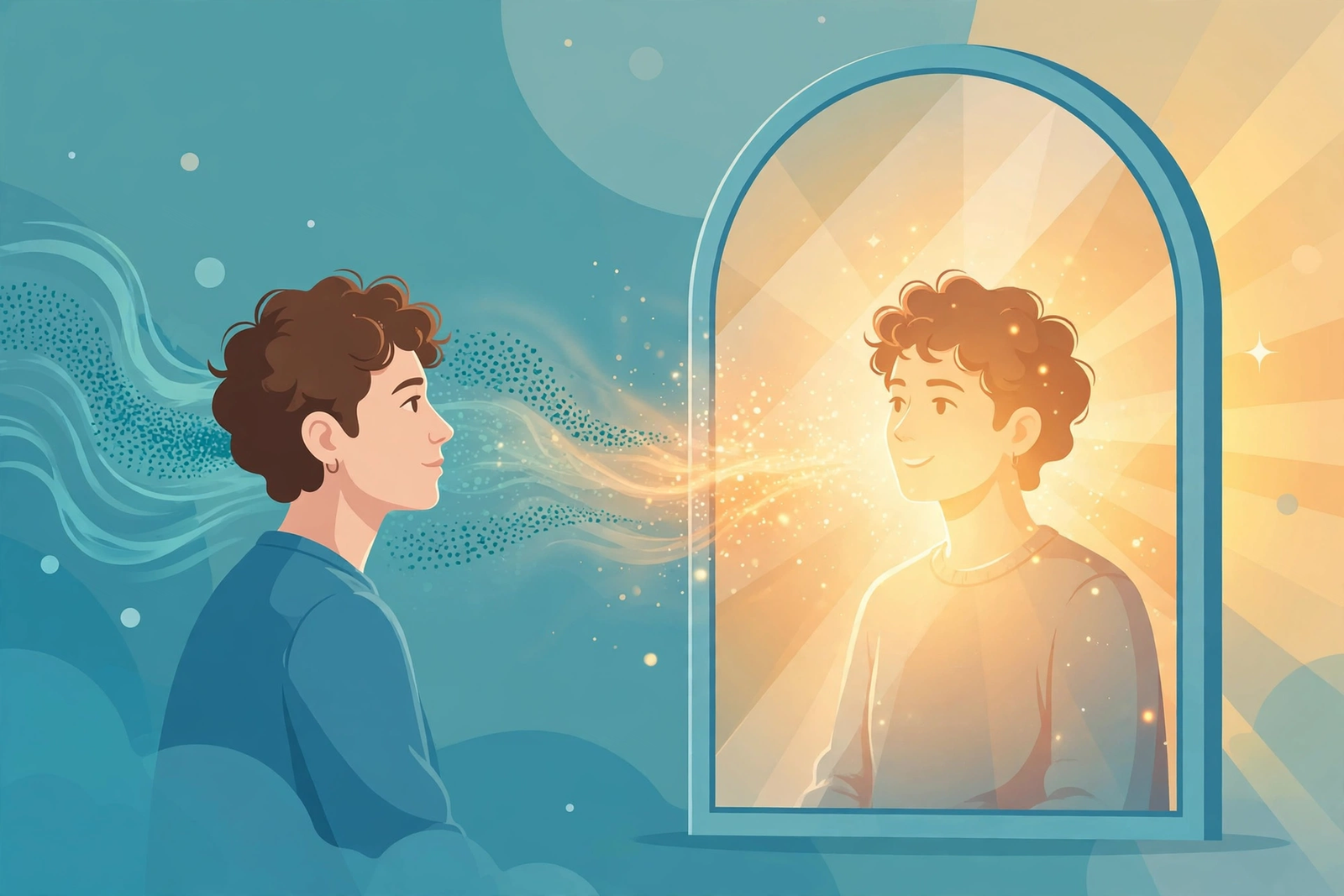
Adjustment disorder often arises when significant life changes — the loss of a job, the end of a relationship, a major health challenge — leave you feeling confused, sad, and uncertain about the future. While this emotional distress can feel overwhelming, it also opens a unique door: self-discovery after adjustment disorder is the process of gaining a deeper understanding of who you are, what you value, and what you want out of life.
Self-discovery during adjustment disorder can lead to profound personal transformation, allowing individuals to embrace change, let go of outdated beliefs, and create a new sense of purpose and direction. In this article, we will explore how adjustment disorder can lead to self-discovery, strategies for embracing change during difficult times, and how individuals can transform their emotional struggles into opportunities for personal growth.
How Adjustment Disorder Can Lead to Self-Discovery
While adjustment disorder often brings emotional turmoil and stress, it can also spark moments of deep self-reflection. When faced with life challenges, individuals are prompted to question their goals, values, and sense of self. This process of self-reflection often leads to new insights and discoveries about one’s inner strengths, passions, and purpose.
1. The Call for Change and Self-Reflection
When adjustment disorder is triggered by significant life changes, individuals may feel a sense of being lost or uncertain about their future. This emotional distress often forces individuals to stop and reflect on their lives, evaluating their current situation and considering what changes they would like to make.
- Reevaluating priorities: Life changes can challenge individuals to reassess their priorities, leading them to question what truly matters. This process of reevaluation often reveals areas of life that need adjustment or change.
- Desire for a new direction: In moments of emotional distress, individuals often feel a renewed desire to align their lives with their true values and passions. This desire for change can be the first step toward self-discovery and transformation.
2. Gaining Clarity About Personal Values
During times of emotional upheaval, individuals often reconnect with their core values and beliefs. These values provide clarity and direction, helping individuals navigate life changes with a greater sense of purpose.
- Identifying what matters most: Self-discovery involves identifying the values that guide our decisions and actions. During adjustment disorder, individuals may rediscover what is truly important to them—whether it’s family, career, creativity, or personal growth.
- Aligning with your values: When individuals are in alignment with their values, they feel more connected to themselves and their purpose. Adjustment disorder provides an opportunity to reassess whether one’s life is aligned with their core values and make adjustments as needed.
3. Challenging Limiting Beliefs and Fears
Adjustment disorder often brings to the surface limiting beliefs and fears that may have been holding individuals back from living authentically. These beliefs can create self-doubt and uncertainty, preventing individuals from embracing new opportunities or pursuing their passions.
- Confronting self-limiting beliefs: Self-discovery involves recognizing and challenging negative beliefs about oneself. During adjustment disorder, individuals are often forced to confront their fears and doubts, which can lead to the realization that these beliefs are not true or helpful.
- Letting go of the past: Adjusting to new circumstances often requires letting go of old beliefs, expectations, and attachments. This process of releasing the past allows individuals to create space for new possibilities and personal growth.
4. Discovering Inner Strengths and Resilience
During the emotional turmoil of adjustment disorder, individuals often tap into inner strengths and resilience that they may not have recognized before. Overcoming the challenges of adjustment disorder helps individuals realize their ability to adapt, grow, and persevere through difficult times.
- Recognizing personal strengths: Self-discovery involves identifying and embracing your strengths, whether they’re related to problem-solving, creativity, empathy, or perseverance. These strengths are valuable tools for navigating life transitions and building resilience.
- Building emotional resilience: The process of healing from adjustment disorder strengthens emotional resilience, helping individuals develop greater adaptability and flexibility in the face of future challenges.
Strategies for Self-Discovery After Adjustment Disorder
Self-discovery during adjustment disorder is a gradual process that involves mindfulness, self-reflection, and an openness to change. The following strategies can help individuals embrace the opportunities for personal growth that arise during times of emotional distress.
1. Practice Mindfulness and Self-Awareness
Mindfulness is the practice of staying present in the moment and observing one’s thoughts, feelings, and experiences without judgment. Mindfulness helps individuals gain insight into their emotions and behaviors, making it easier to identify areas for growth and self-discovery.
- Mindful reflection: Take time to reflect on your emotional responses to life changes. By practicing mindfulness, you can observe your thoughts and feelings without becoming overwhelmed by them.
- Stay present: Instead of dwelling on the past or worrying about the future, focus on the present moment. This allows you to engage with your current experiences and gain clarity about what you need in order to grow.
2. Journal for Self-Discovery
Journaling is a powerful tool for self-reflection and self-discovery. Writing about your thoughts, emotions, and experiences helps you gain clarity and insight into your inner world, making it easier to identify personal goals, values, and desires.
- Write about your feelings: Use journaling as a way to express and process your emotions. Writing about your experiences during adjustment disorder can provide emotional release and help you make sense of your feelings.
- Set intentions for growth: Journaling can also be a way to set intentions for personal growth and transformation. Write about the changes you want to make in your life and the steps you can take to align with your true purpose.
3. Set Goals for Personal Growth
Setting specific, actionable goals can help guide your journey of self-discovery and personal transformation. Goals provide direction and motivation, making it easier to embrace change and move forward with confidence.
- Focus on small goals: Break down larger goals into smaller, achievable steps. This allows you to make steady progress and celebrate small victories along the way.
- Align goals with values: Ensure that your goals align with your personal values and passions. This alignment helps you stay connected to your purpose and increases the likelihood of success.
4. Seek Support and Connection
Self-discovery is often facilitated by the support and guidance of others. Whether through therapy, support groups, or trusted friends and family, connecting with others provides perspective, validation, and encouragement.
- Work with a therapist: Therapy can help you explore your emotions, identify your core values, and overcome limiting beliefs that may be hindering your growth. A therapist can also help you develop coping strategies to manage adjustment disorder.
- Join a support group: Connecting with others who are going through similar challenges can provide a sense of community and help you gain new insights into your own experience.
5. Embrace Change as an Opportunity for Growth
Change can be difficult, but it is also a powerful opportunity for personal growth. Instead of resisting change, embrace it as a chance to learn, adapt, and reinvent yourself. View life transitions as opportunities for self-discovery and transformation.
- Reframe change as a positive force: Instead of fearing change, view it as a chance to evolve and grow. Embrace the unknown and trust that it will lead you to new opportunities and experiences.
- Celebrate the journey: Understand that self-discovery is a lifelong process. Celebrate each step you take toward growth, and be patient with yourself as you navigate your emotional journey.
Key Takeaways
- Adjustment disorder often leads to self-reflection and emotional distress, which can be transformed into opportunities for self-discovery and personal growth.
- Mindfulness, journaling, goal-setting, and self-compassion are powerful strategies for embracing change and discovering new aspects of yourself during adjustment disorder.
- Therapy, support groups, and social connection provide valuable guidance and perspective during the process of self-discovery and emotional healing.
- Embracing change and viewing it as an opportunity for growth helps individuals navigate life transitions with confidence and clarity.
If you are struggling with adjustment disorder and want to explore the path to self-discovery and personal transformation, contact us today to explore therapy options and strategies for emotional growth and healing.
