



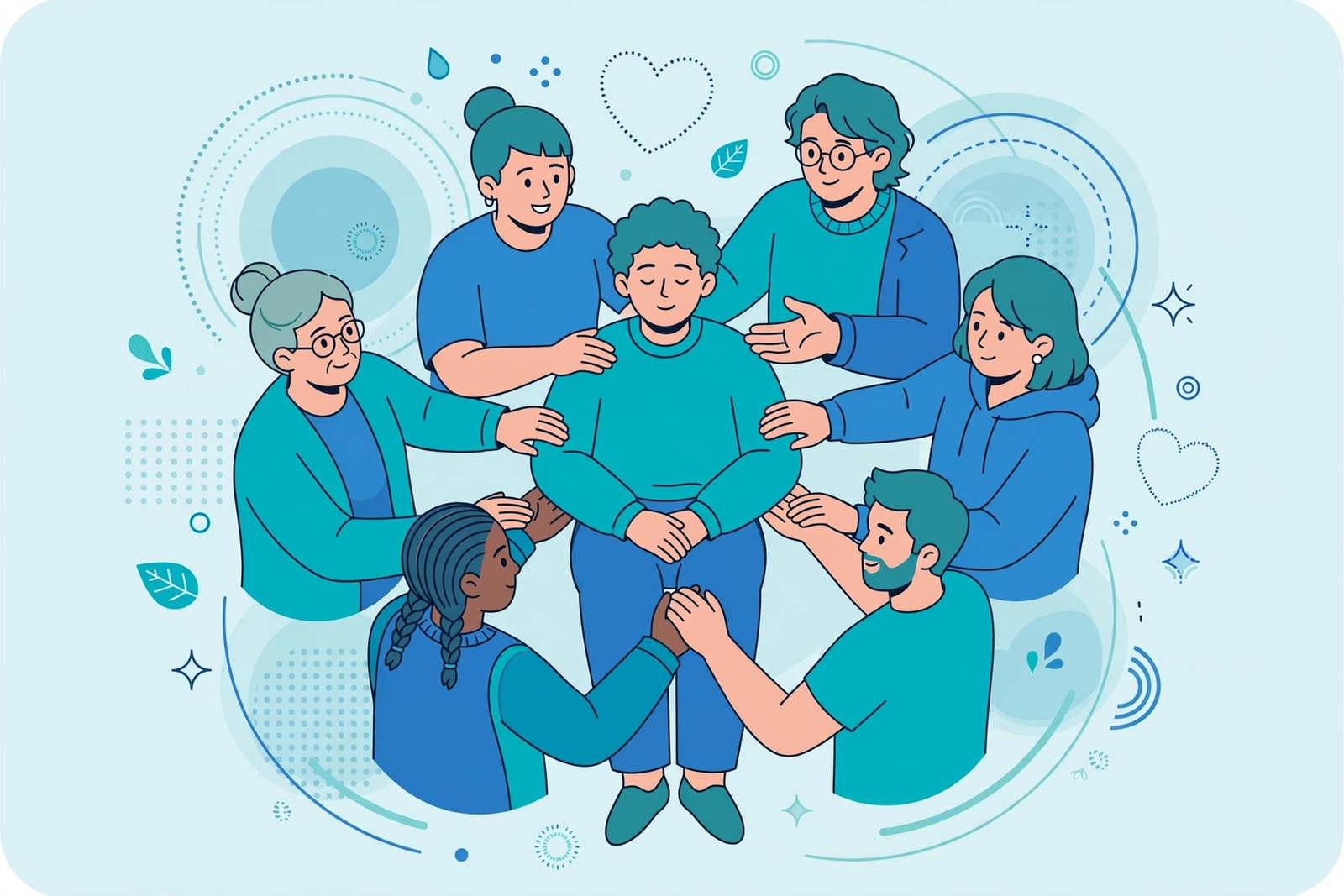
Watching someone you love struggle with how they see themselves is painful, and it’s natural to feel unsure how to help. Supporting someone with body dysmorphic disorder starts with empathy, and this guide will show you gentle, practical ways to be there for them.
Key Points:
- Supporting someone with Body Dysmorphic Disorder (BDD) requires empathy, patience, and understanding of the condition.
- Family members and friends play a crucial role in encouraging treatment, fostering a positive environment, and setting healthy boundaries.
- Offering emotional support, helping to challenge distorted beliefs, and reducing enabling behaviors are essential for effective support.
- Early intervention and treatment can be more successful when a supportive network is involved in the recovery process.
Supporting Someone with Body Dysmorphic Disorder: How to Help
Body Dysmorphic Disorder (BDD) can be a debilitating condition, impacting an individual’s mental health, self-esteem, and daily functioning. The constant preoccupation with perceived flaws in appearance can cause significant emotional distress and lead to social withdrawal, anxiety, and depression. While professional treatment, such as therapy and medication, is essential for managing BDD, the support of family and friends plays a critical role in the individual’s recovery journey.
If you have a loved one struggling with BDD, it can be challenging to know how best to provide support. This article explores the role of family and friends in supporting someone with Body Dysmorphic Disorder, offering practical tips and strategies for creating a positive and supportive environment.
Understanding Body Dysmorphic Disorder: Why Support is Essential
Before offering support, it’s important to understand the nature of Body Dysmorphic Disorder and how it affects those who have it. BDD is characterized by an obsessive preoccupation with perceived flaws in appearance, which are often minor or nonexistent. Individuals with BDD spend excessive time thinking about their appearance, engaging in compulsive behaviors such as mirror checking, grooming, or seeking reassurance.
BDD is not about vanity or superficiality—it is a serious mental health condition that can significantly affect an individual’s emotional well-being and daily life. Individuals with BDD often experience high levels of anxiety, depression, and social isolation due to their perceived physical flaws. This is why the support of family and friends is so important in helping them manage the condition and build emotional resilience.
How Family and Friends Can Offer Support
Supporting someone with BDD involves understanding the challenges they face and providing consistent emotional support without reinforcing unhealthy behaviors. Here are some ways you can help a loved one with Body Dysmorphic Disorder:
1. Encourage Treatment and Seek Professional Help:
Treatment is essential for managing BDD, and family members and friends can play a pivotal role in encouraging their loved one to seek help. While the decision to start therapy or take medication is ultimately up to the individual, your support can make a significant difference in their willingness to seek treatment.
- Offer encouragement: Encourage your loved one to consult a mental health professional, such as a therapist specializing in Cognitive Behavioral Therapy (CBT), which is highly effective in treating BDD.
- Help with logistics: Offer assistance with finding a therapist, scheduling appointments, or arranging transportation to appointments if needed.
- Reassure them about the benefits of treatment: Gently remind your loved one that seeking help is an important step toward managing their condition and improving their mental health.
2. Be a Source of Empathy and Understanding:
Individuals with BDD often feel misunderstood and isolated due to their struggles with body image. Offering empathy, non-judgmental listening, and understanding can provide immense comfort and validation.
- Listen actively: If your loved one opens up about their concerns, listen without interrupting or offering solutions right away. Sometimes, simply being there and showing that you care is enough.
- Avoid minimizing their feelings: While it may be tempting to say, “It’s not that bad” or “You look fine,” it’s important to recognize that their emotional experience is real, regardless of how minor the perceived flaw may seem.
- Avoid criticism: Refrain from making negative comments about your loved one’s appearance, as this can reinforce their insecurities and worsen their condition.
3. Challenge Negative Beliefs (Gently):
People with BDD often have distorted beliefs about their appearance, leading them to view themselves as flawed or unattractive. As a loved one, you can help challenge these negative beliefs in a supportive and non-confrontational manner.
- Focus on strengths: Encourage your loved one to recognize their positive qualities beyond their appearance, such as their intelligence, kindness, or creativity.
- Point out evidence to the contrary: If your loved one expresses concern about a particular flaw, gently remind them that their perception may be distorted. For example, “You’ve mentioned this before, but I don’t see any flaw in your appearance.”
- Avoid reinforcing unhealthy behaviors: If your loved one engages in compulsive behaviors, such as checking their appearance in the mirror repeatedly, try to encourage them to stop, but avoid criticizing or belittling them.
4. Help Set Healthy Boundaries:
While offering support is important, it’s equally important to set healthy boundaries. Boundaries help maintain a balance between providing emotional support and protecting your own well-being. Here are some ways to set boundaries effectively:
- Don’t participate in compulsive behaviors: Avoid reinforcing compulsive behaviors, such as mirror checking or excessive reassurance seeking, as this can enable the disorder and prevent your loved one from developing healthier coping strategies.
- Limit discussions about appearance: While it’s important to listen and offer support, try to avoid engaging in excessive conversations about appearance. Instead, focus on other aspects of their life, such as their achievements, interests, and goals.
- Take care of yourself: Supporting someone with BDD can be emotionally challenging. Make sure to set aside time for your own self-care and seek support if you feel overwhelmed.
5. Create a Positive, Body-Accepting Environment:
Encouraging a positive body image within the home or social circle can create a supportive environment for your loved one’s recovery. This involves challenging harmful societal beauty standards and promoting self-acceptance.
- Encourage healthy habits: Support your loved one in maintaining a balanced lifestyle, including regular physical activity, healthy eating, and adequate sleep, all of which contribute to better mental health.
- Promote body acceptance: Challenge societal norms that prioritize physical appearance over inner qualities. Focus on promoting self-love, body acceptance, and self-compassion rather than striving for unattainable beauty standards.
- Lead by example: Model healthy behaviors, such as expressing gratitude for your body and practicing self-compassion. Your positive attitude can inspire your loved one to develop a healthier relationship with their own body.
When to Seek Professional Guidance for Caregivers
Caring for someone with Body Dysmorphic Disorder can be emotionally taxing, and it’s important for family members and friends to seek support when needed. Therapy for caregivers or joining a support group can provide valuable tools for managing the challenges of supporting someone with BDD.
Some signs that you may benefit from professional support include:
- Feeling overwhelmed or burnt out: Caring for someone with BDD can be emotionally draining. If you’re feeling burnt out or stressed, seeking therapy for yourself can help you manage your own emotions.
- Difficulty maintaining boundaries: If you’re struggling to set healthy boundaries or feel that your loved one’s behavior is negatively affecting your own well-being, it may be helpful to work with a therapist to navigate these challenges.
- Seeking guidance on effective support: If you’re unsure how to best support your loved one or need help managing your relationship with them, therapy can provide insight and strategies for effective caregiving.
Frequently Asked Questions
How can I help my loved one with BDD if they refuse treatment?
If your loved one refuses treatment, gently encourage them to seek help, but avoid pressuring them. Offer support by providing information about BDD and its treatment options. Be patient, and let them know that you are there for them when they are ready to seek help.
What should I do if my loved one engages in compulsive behaviors related to their appearance?
Avoid reinforcing compulsive behaviors, such as excessive mirror checking or reassurance seeking. Gently encourage them to refrain from these behaviors and suggest alternative coping strategies, such as deep breathing or mindfulness exercises. Encourage them to seek therapy to address these compulsions.
How can I support my loved one without enabling their BDD?
Support your loved one by offering empathy and understanding, but avoid participating in behaviors that reinforce their preoccupation with appearance. Encourage healthy coping mechanisms and avoid discussing appearance-related concerns excessively.
Key Takeaways
Supporting someone with Body Dysmorphic Disorder requires empathy, patience, and understanding. Encouraging treatment, offering emotional support, and setting healthy boundaries are key components of effective caregiving. By creating a positive, supportive environment and fostering self-compassion, family members and friends can help individuals with BDD manage their condition and improve their quality of life.
