



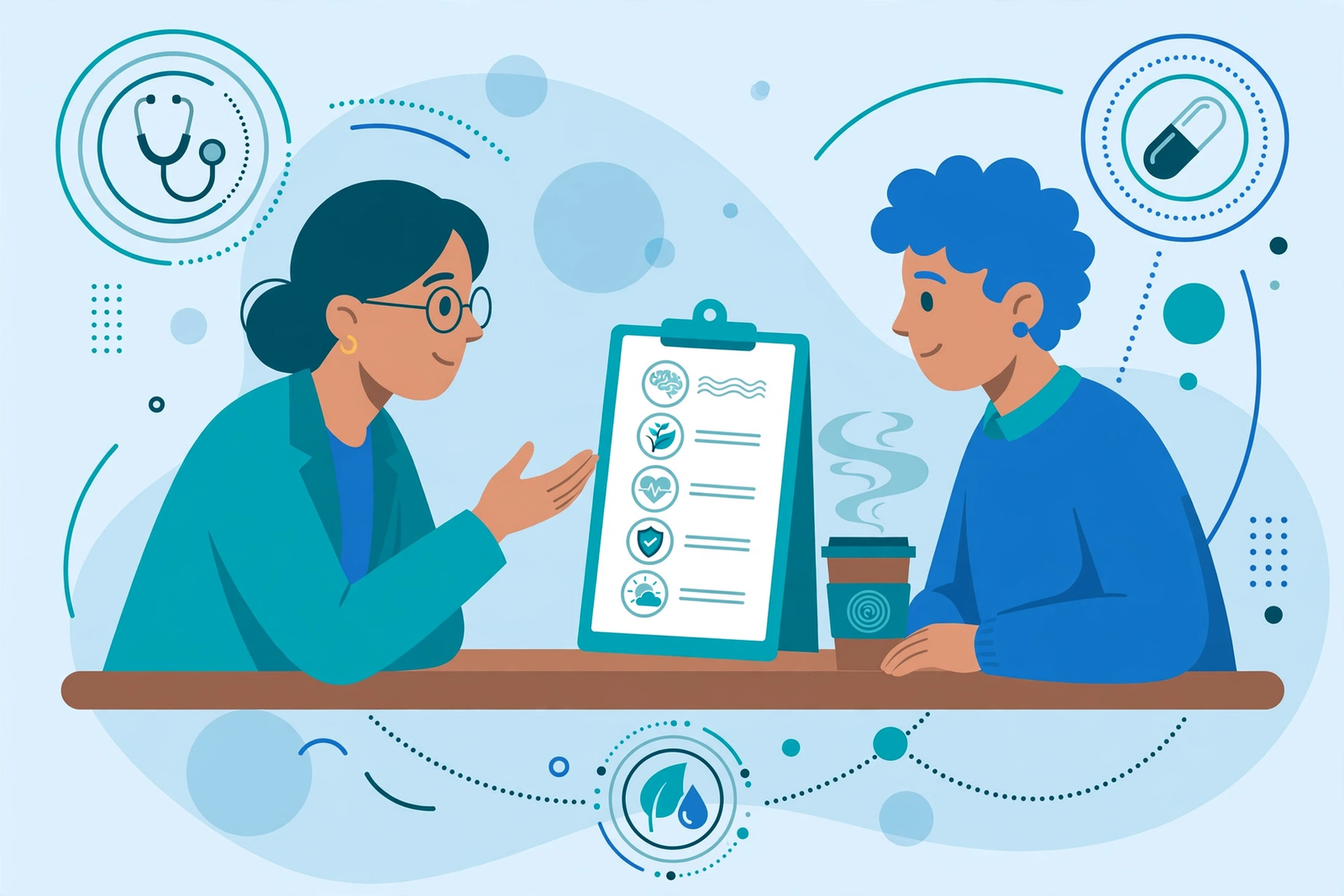
Caffeine addiction is a common but often overlooked condition that can affect individuals of all ages. It occurs when a person becomes dependent on caffeine to function, often leading to physical and psychological symptoms. Whether consumed through coffee, tea, energy drinks, or other sources, caffeine can provide a temporary energy boost, but for some, this leads to an unhealthy reliance on the substance.
In this article, we will explore the nature of caffeine addiction, its symptoms, causes, and effective strategies for managing this dependency. We will also discuss the importance of reducing caffeine intake gradually and the role of lifestyle changes in overcoming caffeine addiction.
What is Caffeine Addiction?
Caffeine addiction occurs when a person develops a dependence on caffeine, feeling unable to function without it. Caffeine is a stimulant found in coffee, tea, chocolate, and many energy drinks. It can increase alertness and energy levels, which makes it widely consumed. However, regular consumption can lead to tolerance, meaning the person needs more caffeine over time to achieve the same effects.
In some cases, dependence can develop into addiction, where the individual experiences withdrawal symptoms if they try to stop or reduce their caffeine intake. While caffeine is legal and socially accepted, its addictive nature can cause both physical and mental health issues if consumed in excess.
Symptoms of Caffeine Addiction
The symptoms of caffeine addiction can vary, but they generally include both physical and psychological signs. Below are some common symptoms associated with caffeine dependence:
1. Physical Symptoms:
- Headaches: A common withdrawal symptom when caffeine intake is reduced or stopped suddenly.
- Fatigue: Paradoxically, excessive caffeine consumption can lead to chronic fatigue and tiredness when the stimulant effects wear off.
- Increased Heart Rate: High caffeine intake can cause a rapid heart rate and feelings of jitteriness.
- Digestive Issues: Overuse of caffeine can lead to stomach discomfort, acid reflux, or gastrointestinal disturbances.
- Insomnia: Regular caffeine consumption, especially in the afternoon or evening, can interfere with sleep patterns and lead to insomnia.
2. Psychological Symptoms:
- Irritability: When caffeine levels drop, individuals may experience mood swings or irritability.
- Cravings: A person addicted to caffeine may experience strong cravings for caffeinated beverages throughout the day.
- Anxiety: High doses of caffeine can induce feelings of anxiety, nervousness, or restlessness.
- Lack of Focus: While caffeine initially boosts alertness, long-term dependency can cause difficulty concentrating when caffeine levels drop.
3. Behavioral Symptoms:
- Reliance on Caffeine: A person may feel that they cannot perform daily activities without caffeine, such as starting their day or completing work tasks.
- Inability to Cut Back: Even if the person recognizes the negative effects of caffeine, they may struggle to reduce their intake.
Causes of Caffeine Addiction
The development of caffeine addiction is influenced by various factors, including lifestyle habits and individual characteristics. Here are the main causes:
1. Frequent Caffeine Use:
Daily consumption of caffeine can increase tolerance, leading the person to require more to achieve the same effects. Over time, this can escalate into addiction as the body becomes reliant on the substance.
2. Psychological Factors:
People often turn to caffeine for mental clarity, focus, or stress relief. This habitual use to cope with stress, work pressure, or fatigue can lead to a psychological dependence on caffeine.
3. Environmental and Social Influence:
In many cultures, caffeine is socially accepted and even encouraged. The regular consumption of coffee or energy drinks in social settings can normalize caffeine use, contributing to dependence.
4. Genetics and Biology:
Genetic factors may play a role in how a person metabolizes caffeine. Some individuals may be more susceptible to becoming addicted due to their genetic makeup, which affects how their body processes caffeine.
5. Lack of Sleep:
People who suffer from chronic sleep deprivation may rely on caffeine to compensate for tiredness, which can lead to a vicious cycle of addiction. As the body becomes more accustomed to the stimulant, it becomes harder to break free from the dependency.
Treatment for Caffeine Addiction
Overcoming caffeine addiction requires a combination of gradual reduction, lifestyle changes, and support. Here are some effective treatment options:
1. Gradual Reduction:
The best approach to quitting caffeine is to reduce intake gradually. Sudden cessation can lead to severe withdrawal symptoms such as headaches, irritability, and fatigue. A person should aim to decrease their caffeine intake slowly over a period of weeks, switching to lower-caffeine beverages like tea or decaffeinated coffee.
2. Hydration:
Drinking plenty of water can help ease withdrawal symptoms and improve overall hydration, which is often compromised by excessive caffeine consumption.
3. Exercise:
Physical activity can help reduce the cravings associated with caffeine addiction. Exercise releases natural endorphins, boosting mood and energy levels without the need for caffeine.
4. Healthy Sleep Habits:
Improving sleep hygiene can help reduce the reliance on caffeine to stay awake. A consistent sleep schedule, a relaxing bedtime routine, and creating a comfortable sleep environment can improve sleep quality and reduce the need for caffeine.
5. Alternative Stimulants:
While it’s essential to reduce caffeine intake, finding alternative sources of energy can be beneficial. Herbal teas, for example, can provide a gentle lift without the negative side effects of caffeine.
6. Counseling:
For individuals who struggle with the psychological aspects of caffeine addiction, therapy or counseling may help. Cognitive Behavioral Therapy (CBT) can assist in identifying and changing the habits and thought patterns that contribute to caffeine dependence.
Red Flags to Watch For
If caffeine addiction is left unchecked, it can lead to more severe health problems. Watch for these signs:
- Persistent headaches or migraines
- Chronic fatigue or lack of energy
- Digestive issues such as acid reflux or stomach discomfort
- Increased anxiety or panic attacks
- Difficulty functioning without caffeine
If you notice these signs, it’s essential to seek professional help or support groups to manage the addiction.
Frequently Asked Questions
What’s the difference between caffeine dependence and addiction?
Caffeine dependence is when a person’s body becomes reliant on caffeine to function. Addiction, however, involves a more severe psychological and physical need for caffeine, with cravings and withdrawal symptoms when caffeine intake is reduced.
How long does it take to overcome caffeine addiction?
The process of reducing caffeine addiction can take several weeks, depending on the individual’s consumption level and how gradually they reduce intake.
Is caffeine addiction harmful?
In moderation, caffeine can have health benefits. However, excessive caffeine consumption can lead to dependence, anxiety, digestive issues, and sleep disturbances.
Can I still drink caffeine after overcoming addiction?
Yes, after overcoming addiction, some individuals can reintroduce caffeine into their diet in moderation. However, it’s essential to monitor intake to prevent the development of dependence again.
Key Takeaways
Caffeine addiction is a common yet often unnoticed issue that can affect mental and physical health. By gradually reducing caffeine intake, improving sleep habits, and finding healthy alternatives, individuals can successfully overcome their dependency. If you or someone you know is struggling with caffeine addiction, early intervention and support are key to managing the condition and restoring overall well-being.
