



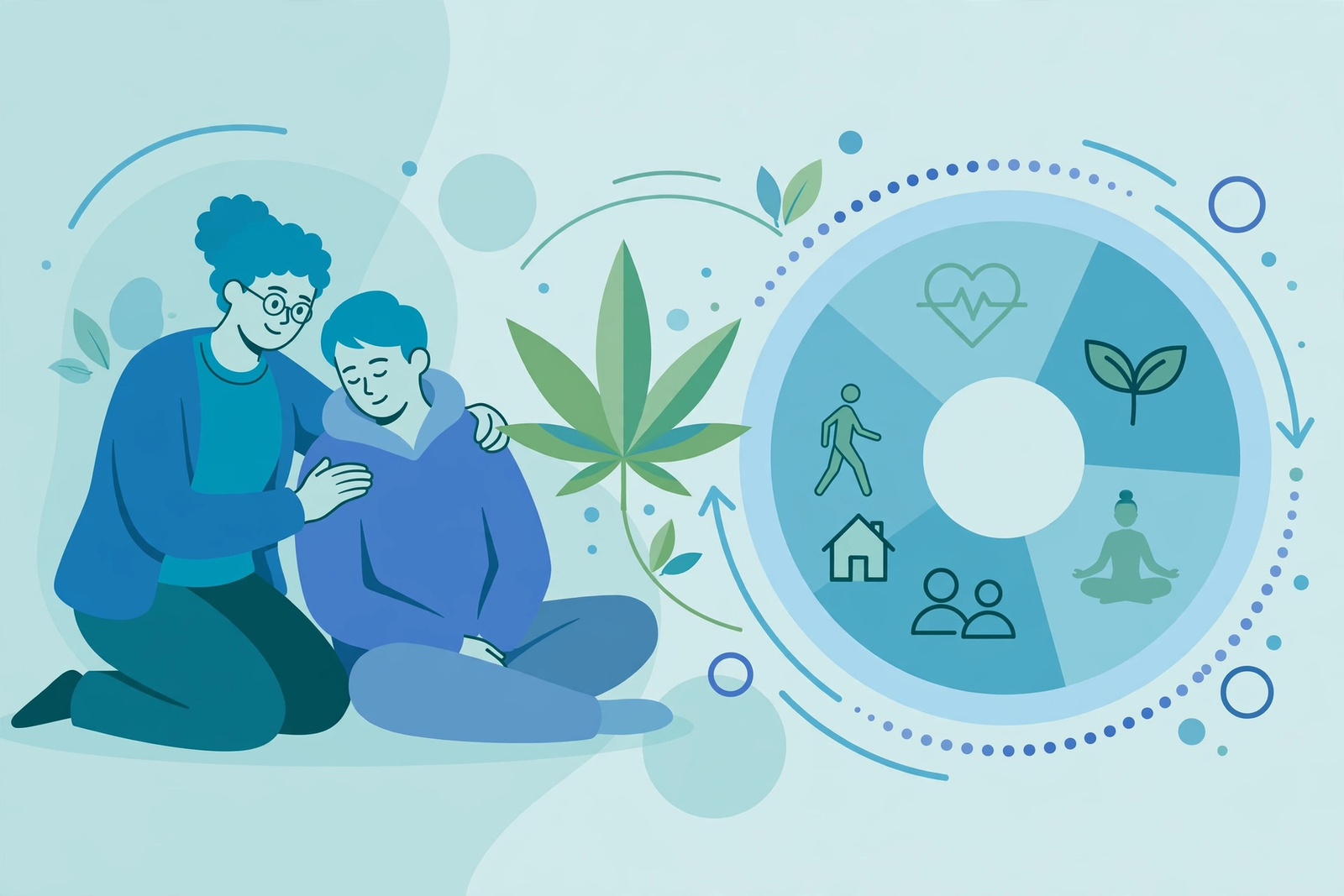
Cannabis use is increasingly common across the world, with many people using it for recreational or medicinal purposes. However, for some individuals, regular cannabis use can develop into a problematic behavior, leading to cannabis use disorder (CUD). Cannabis use disorder is characterized by an inability to control cannabis consumption, leading to negative consequences in personal, social, and professional life.
In this article, we will explore the causes, symptoms, and treatment options for cannabis use disorder. Understanding this disorder is essential for those struggling with it, as well as for their families, friends, and healthcare providers.
What is Cannabis Use Disorder?
Cannabis use disorder (CUD) is a condition in which an individual develops a dependency on cannabis and experiences negative consequences from its use, despite efforts to quit or reduce consumption. While cannabis use itself is not inherently problematic, it becomes a disorder when it affects daily functioning and leads to physical, psychological, and social issues.
1. Defining the Disorder:
Cannabis use disorder is diagnosed when a person exhibits signs of dependency or addiction, such as using cannabis in larger amounts or for longer periods than intended, unsuccessful attempts to quit, and continued use despite experiencing problems caused by cannabis. The disorder can range from mild to severe, with those in the severe category experiencing significant impairment in their lives.
2. The Role of Tolerance:
Like many other substances, cannabis use can lead to tolerance, meaning the person needs to use more to achieve the same effect. As tolerance increases, the individual may find themselves using cannabis more frequently or in larger quantities, reinforcing the cycle of addiction.
Causes of Cannabis Use Disorder
Cannabis use disorder can develop for a variety of reasons, and understanding these causes is key to prevention and treatment. The reasons for developing cannabis use disorder can be categorized into genetic, psychological, and environmental factors.
1. Genetic Factors:
Some individuals may be genetically predisposed to addiction. Research has shown that certain genes related to the brain’s reward system and neurotransmitter regulation can increase the likelihood of developing substance use disorders, including cannabis use disorder. People with a family history of substance abuse may also be at higher risk.
2. Psychological Factors:
Mental health disorders, such as depression, anxiety, or stress, can increase the risk of cannabis use disorder. People with these conditions may use cannabis as a form of self-medication to relieve symptoms. Over time, this can lead to a pattern of dependency, where the individual relies on cannabis to manage their emotions or cope with daily stressors.
3. Environmental Factors:
The environment in which a person lives can influence the development of cannabis use disorder. Social factors, such as peer pressure, living in a community where cannabis use is normalized, or having easy access to cannabis, can increase the likelihood of developing the disorder. Additionally, childhood trauma or exposure to substance use at a young age can increase vulnerability to addiction.
Symptoms of Cannabis Use Disorder
Cannabis use disorder can manifest in various ways, affecting both the physical and psychological well-being of the individual. Symptoms can vary in severity, but common signs of the disorder include:
1. Increased Tolerance:
One of the first signs of cannabis use disorder is the development of tolerance. The person may need to consume larger amounts of cannabis to achieve the same effect they once experienced with smaller doses.
2. Withdrawal Symptoms:
When an individual with cannabis use disorder tries to quit or reduce their consumption, they may experience withdrawal symptoms. These can include irritability, anxiety, insomnia, loss of appetite, and physical discomfort. Withdrawal symptoms can make it difficult to stop using cannabis, leading to continued use despite negative consequences.
3. Loss of Control:
A key symptom of cannabis use disorder is the inability to control or reduce cannabis consumption. Individuals may try to quit or cut back on their use but find themselves unable to do so. This loss of control often leads to the person using cannabis more frequently or in higher doses than originally intended.
4. Impact on Daily Life:
Cannabis use disorder can interfere with various aspects of life, including work, school, relationships, and personal health. The individual may neglect responsibilities or hobbies and prioritize cannabis use over other important activities. This can lead to isolation, job loss, or academic failure.
5. Continued Use Despite Negative Consequences:
A hallmark of addiction is the continued use of the substance despite negative consequences. Individuals with cannabis use disorder may continue using cannabis even after experiencing problems, such as legal issues, strained relationships, or health problems.
Treatment Options for Cannabis Use Disorder
Cannabis use disorder is treatable, and there are several approaches to help individuals recover. Treatment often involves a combination of behavioral therapies, support groups, and sometimes medication. The goal of treatment is to reduce or eliminate cannabis use, improve daily functioning, and address any underlying psychological issues.
1. Behavioral Therapy:
Behavioral therapies are the most common form of treatment for cannabis use disorder. These therapies help individuals identify the triggers that lead to cannabis use and develop healthier coping mechanisms. Common types of therapy used in the treatment of cannabis use disorder include:
- Cognitive Behavioral Therapy (CBT): CBT helps individuals identify and change the thoughts and behaviors that contribute to cannabis use. It also focuses on developing skills for managing stress and avoiding relapse.
- Contingency Management: This approach uses rewards or incentives to reinforce positive behaviors, such as abstaining from cannabis use. It helps individuals stay motivated throughout the recovery process.
- Motivational Enhancement Therapy (MET): MET focuses on helping individuals recognize the negative impact of cannabis use and develop motivation to change their behavior.
2. Support Groups:
Support groups, such as Marijuana Anonymous (MA), provide a safe space for individuals to share their experiences and receive support from others who are going through similar challenges. Support groups can be a valuable source of encouragement and accountability, which are crucial in the recovery process.
3. Medication:
While there are currently no FDA-approved medications specifically for cannabis use disorder, some medications may be prescribed to help manage withdrawal symptoms or underlying mental health issues, such as anxiety or depression. Medications like antidepressants or anti-anxiety drugs can be used in conjunction with therapy to help improve overall well-being during recovery.
4. Inpatient or Outpatient Rehabilitation Programs:
For individuals with severe cannabis use disorder, inpatient or outpatient rehabilitation programs may be necessary. These programs provide structured treatment environments where individuals can focus on their recovery with the support of medical professionals, therapists, and peer groups. They offer intensive therapy and support to help individuals build the skills needed to maintain long-term recovery.
Frequently Asked Questions
What is the difference between cannabis use and cannabis use disorder?
Cannabis use refers to the occasional or recreational consumption of cannabis, while cannabis use disorder is characterized by a pattern of problematic use that leads to negative consequences in a person’s life. It involves dependency, loss of control, and continued use despite harmful outcomes.
Can cannabis use disorder be treated?
Yes, cannabis use disorder is treatable. Behavioral therapies, support groups, and, in some cases, medication can help individuals reduce or eliminate cannabis use and improve their overall well-being.
What are the signs that someone has cannabis use disorder?
Signs of cannabis use disorder include increased tolerance, withdrawal symptoms, loss of control over consumption, neglect of daily responsibilities, and continued use despite negative consequences such as legal issues or relationship problems.
Is cannabis use disorder a long-term problem?
Cannabis use disorder can become a long-term issue if left untreated. However, with proper treatment and support, individuals can recover and manage their condition, leading to a healthier, more balanced life.
Key Takeaways
Cannabis use disorder is a condition that can affect many aspects of a person’s life, from personal relationships to professional responsibilities. Understanding the causes, symptoms, and treatment options for cannabis use disorder is crucial for individuals struggling with addiction and those supporting them. With appropriate treatment, including therapy and support, recovery is possible, and individuals can regain control of their lives.
If you or someone you know is struggling with cannabis use disorder, reach out for professional help and guidance to begin the recovery journey today.
