



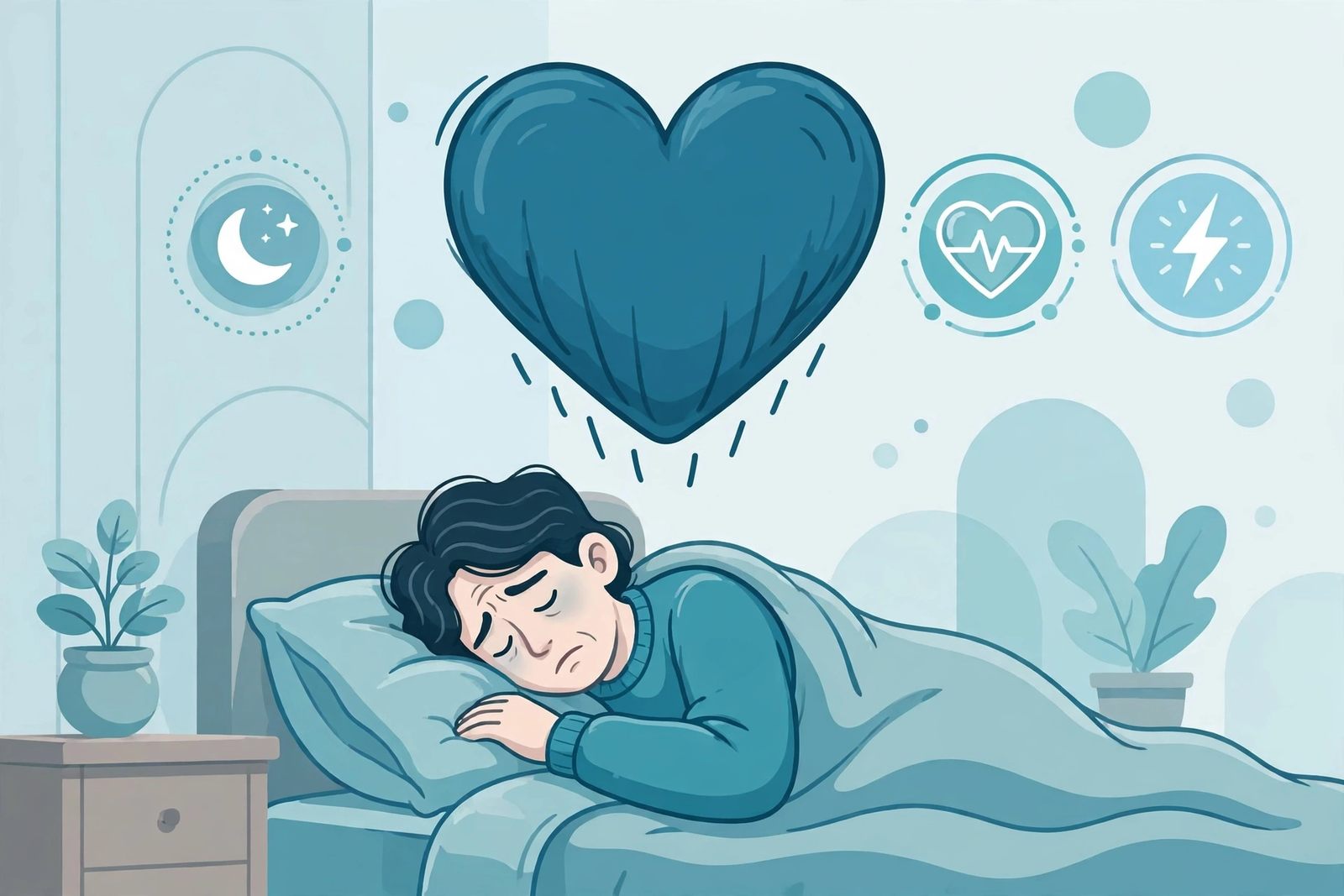
The young adult years are a time of growth, exploration, and becoming — which can make hallucinogen persisting perception disorder (HPPD) feel especially disruptive. If you’re a young adult living with lingering visual disturbances, or you care about someone who is, please know that understanding and support can make a real difference. In this article, we’ll explore how HPPD affects young adults and the developmental factors that matter.
Key Points
• Young adults may experience unique emotional challenges with this condition
• Developmental stage influences coping and symptom interpretation
• Fear and confusion are common early reactions
• Early guidance reduces long-term emotional distress
• Supportive care promotes healthy adjustment and resilience
Understanding the Age-Related Impact of Hallucinogen Persisting Perception Disorder
Hallucinogen persisting perception disorder (HPPD) often emerges during late adolescence or young adulthood — a time of identity development, emotional growth, and growing independence. Experiencing persistent perceptual symptoms during this already-intense stage of life can feel especially unsettling, and that’s completely understandable.
It’s common for young people to struggle to understand what’s happening or to worry about what it means for the future. Clear, honest information and gentle reassurance can go a long way in easing distress and supporting healthy development.
Emotional Challenges in Younger Individuals
Developmental factors shape how symptoms are experienced and interpreted — and recognizing this helps us respond with more compassion.
Fear and Uncertainty
It’s natural for younger individuals to worry that symptoms mean something is permanently wrong or that they’re losing control. With less life experience navigating health concerns, these fears can feel even bigger.
Social Concerns
Worries about how peers might react, keeping up with school or work, or what this means for future goals can understandably increase anxiety. And fear of being judged may make it harder to reach out for help — which is why a safe, nonjudgmental space matters so much.
Identity and Self-Concept
When symptoms persist, it’s common for confidence and self-image to take a hit. Warm emotional support helps young people remember that they are so much more than their symptoms.
Functional Impact on Daily Life
Visual disturbances can get in the way of studying, screen time, driving, or hanging out with friends. During these formative school or career years, such disruptions can feel especially frustrating.
The encouraging news is that with the right guidance, most young people learn practical strategies that let them keep participating fully in daily life.
Importance of Early Support
Getting emotional and clinical support early can help prevent additional struggles like ongoing anxiety or the urge to avoid things that matter.
Sharing accurate, age-appropriate information helps normalize the experience and quiets catastrophic ‘what-if’ thinking.
Treatment Considerations for Younger Individuals
Good care is tailored to where a young person is developmentally — meeting them with approaches that feel relevant and respectful.
Education and Reassurance
Truly understanding the condition often brings relief; knowledge reduces fear and builds trust that recovery is possible.
Emotional Regulation Skills
Learning stress management and coping skills is a powerful way to support a steadier, calmer nervous system.
Family and Social Support
When trusted family members or mentors are involved with care and sensitivity, it can deepen a young person’s sense of emotional safety and ease feelings of isolation.
Building Resilience and Confidence
Recovery is a process of discovering that symptoms — while uncomfortable — are manageable. Encouraging gradual independence and self-trust nurtures emotional growth along the way.
Young people are often remarkably adaptable, and with the right support they can thrive.
Frequently Asked Questions
Is this condition common in young adults?
It is rare but often first noticed during young adulthood.
Can symptoms affect academic performance?
Temporary challenges may occur, but accommodations and coping strategies are effective.
Should family members be involved in care?
Supportive involvement often improves emotional outcomes.
Can young people recover fully?
Many experience significant improvement with time and support.
Key Takeaways
Hallucinogen persisting perception disorder can feel especially challenging during adolescence and young adulthood, but early understanding and support truly make a difference. With reassurance, coping skills, and compassionate care, young people can keep growing, learning, and thriving while managing symptoms effectively.
Educational note: This article is for informational purposes only and is not a substitute for professional medical advice. If you or a young person you care about is experiencing HPPD symptoms, please consider reaching out to a qualified healthcare professional for guidance tailored to your needs.
