


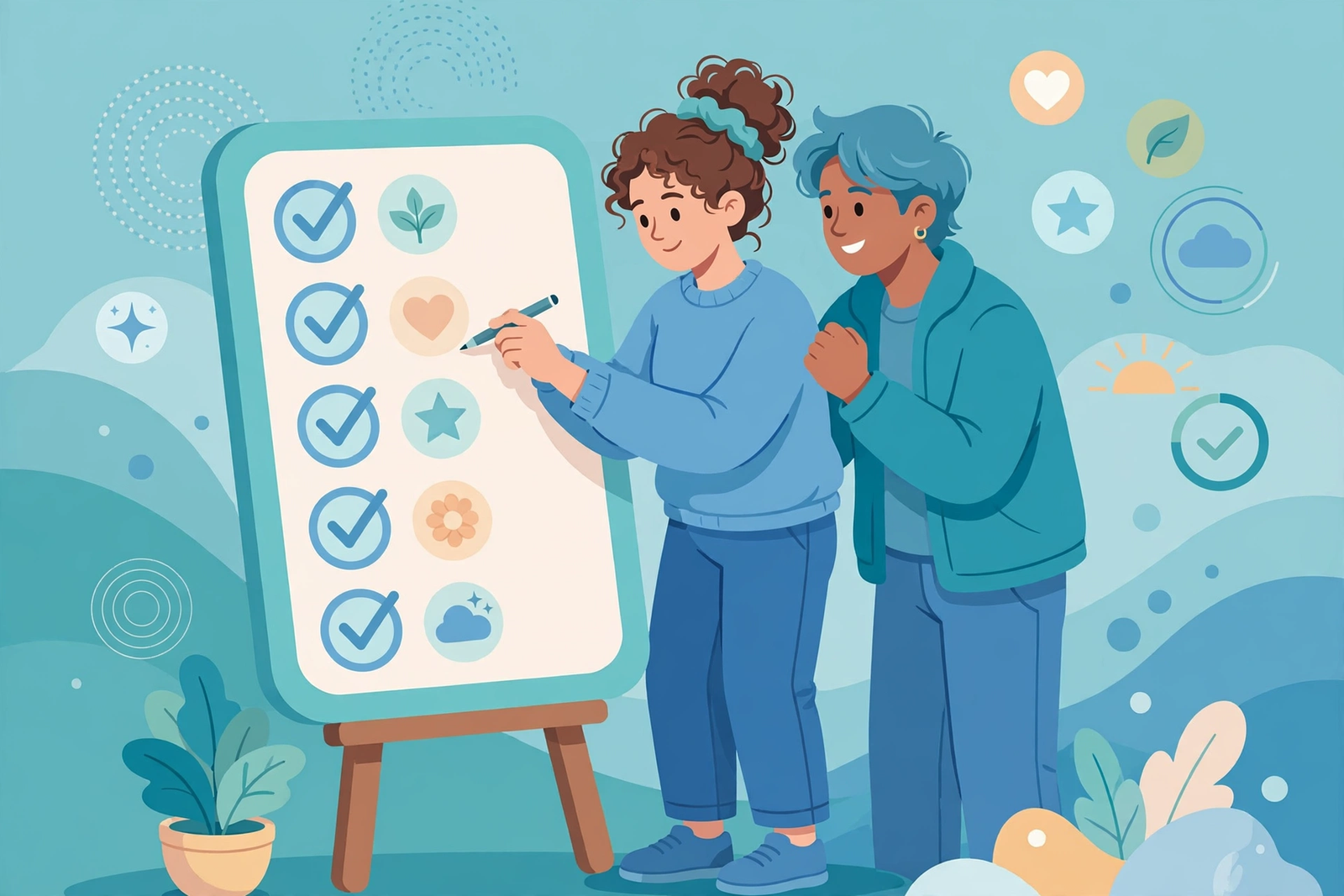
Key Points
- Accountability is a crucial aspect of alcohol addiction recovery, helping individuals stay on track and committed to their sobriety.
- Accountability partners, such as sponsors, therapists, or family members, provide support, encouragement, and motivation during recovery.
- Support groups, like Alcoholics Anonymous (AA), offer a community of individuals who hold each other accountable and share experiences in a safe environment.
- Personal accountability and self-discipline are also important for sustaining sobriety and preventing relapse.
Recovery from alcohol addiction is one of the bravest journeys a person can take — and you don’t have to walk it alone. Accountability in alcohol addiction recovery is the steady hand that keeps you moving forward: a sponsor who checks in, a support group that notices when you’re absent, and your own honest commitment to the life you’re building.
In this article, we’ll explore how accountability works in recovery — from accountability partners and support groups to personal discipline — and why it’s one of the strongest predictors of lasting sobriety.
What is Accountability in Alcohol Addiction Recovery?
Accountability in alcohol addiction recovery refers to the process of taking responsibility for one’s actions, choices, and commitment to sobriety. It involves being held answerable to someone or something—whether it’s an accountability partner, a support group, or personal goals.
Accountability helps individuals stay on track with their recovery, manage triggers and cravings, and prevent relapse. It creates a sense of responsibility and strengthens the commitment to stay sober. Through regular check-ins, feedback, and encouragement, accountability partners provide individuals with the support they need to overcome challenges and stay focused on their goals.
1. The Role of Accountability Partners
Accountability partners are individuals who support someone in their recovery by providing encouragement, motivation, and a sense of responsibility. These partners help individuals stay accountable to their sobriety goals, offer advice, and hold them to their commitments.
- Sponsors: In 12-step programs like Alcoholics Anonymous (AA), a sponsor is someone who has been sober for an extended period and helps guide others through the recovery process. Sponsors provide support, offer guidance, and check in regularly to ensure that individuals stay committed to their sobriety.
- Therapists or counselors: Mental health professionals also serve as accountability partners in recovery. They help individuals set realistic goals, monitor progress, and address any mental health issues that may impact sobriety.
- Family members and friends: Loved ones can act as accountability partners by offering emotional support, checking in regularly, and encouraging individuals to stay on track with their recovery goals. Healthy communication with family members and friends helps rebuild trust and strengthens relationships during recovery.
2. The Power of Support Groups
Support groups, such as Alcoholics Anonymous (AA), SMART Recovery, or LifeRing, offer a structured environment where individuals in recovery can connect with others who share similar experiences. These groups provide mutual support, accountability, and shared wisdom that can significantly enhance an individual’s journey to sobriety.
- Peer accountability: In support groups, individuals hold each other accountable for their recovery. Group members check in with one another, provide encouragement, and share experiences that reinforce the commitment to sobriety.
- Shared experiences: Support groups offer a sense of community, where individuals can discuss their challenges, learn from others, and receive guidance. Hearing about others’ struggles and successes fosters a sense of connection and reduces feelings of isolation.
- Regular meetings: Regular attendance at support group meetings provides individuals with a consistent structure for their recovery. This structure helps individuals stay focused, set goals, and track their progress over time.
3. Personal Accountability and Self-Discipline
In addition to external accountability, personal accountability plays a critical role in alcohol addiction recovery. Self-discipline and a sense of personal responsibility are essential for maintaining sobriety, especially when external support is not available.
- Commitment to sobriety: Personal accountability requires individuals to take full responsibility for their recovery journey. This means being honest about progress, acknowledging setbacks, and staying focused on long-term sobriety goals.
- Self-monitoring: Keeping track of progress through journaling, sobriety apps, or recovery trackers helps individuals stay aware of their recovery and identify areas for improvement. Self-monitoring encourages individuals to stay disciplined and motivated.
- Setting boundaries: Personal accountability also involves setting and respecting boundaries. This may include avoiding people, places, or situations that may trigger cravings or temptations, as well as saying no to events or activities that could jeopardize sobriety.
4. Preventing Relapse through Accountability
Relapse is a common challenge in alcohol addiction recovery, but accountability plays a key role in preventing relapse. When individuals are held accountable for their actions, they are less likely to make impulsive decisions that could lead to alcohol use.
- Early intervention: Accountability partners and support groups help individuals recognize early signs of relapse, such as cravings, emotional distress, or negative thinking patterns. By addressing these signs early, individuals can take proactive steps to stay sober.
- Real-time feedback: Having someone to talk to during moments of temptation or stress can prevent individuals from making decisions they might later regret. Accountability partners offer real-time feedback and help individuals stay on track when they face challenges.
- Relapse prevention planning: Accountability partners and therapists help individuals create a relapse prevention plan, which includes strategies for managing cravings, avoiding high-risk situations, and staying committed to sobriety. These plans help individuals prepare for potential setbacks and stay focused on recovery.
Building and Strengthening Accountability in Recovery
Developing and maintaining accountability is an ongoing process in alcohol addiction recovery. Here are some strategies for building and strengthening accountability during your recovery journey:
1. Find an Accountability Partner
Finding the right accountability partner is crucial for maintaining sobriety. Whether it’s a sponsor, therapist, or supportive family member, an accountability partner provides regular check-ins, encouragement, and motivation.
- Choose someone you trust: Your accountability partner should be someone you trust, who understands the challenges of addiction, and who is committed to your recovery. This person should be able to offer honest feedback and emotional support.
- Set clear expectations: Discuss what accountability means to both parties, including how often you’ll check in, what kind of support you need, and how you’ll handle setbacks.
2. Participate in Support Groups
Joining a support group like Alcoholics Anonymous (AA) or SMART Recovery provides an opportunity for peer accountability and shared experiences. Regular meetings help individuals stay focused on their sobriety and reinforce their commitment to recovery.
- Attend meetings regularly: Consistency is key in support groups. Regularly attending meetings helps individuals stay connected, accountable, and motivated in their recovery.
- Participate in group discussions: Engage in group discussions by sharing your experiences, listening to others, and offering support. Being an active participant strengthens the sense of community and accountability.
3. Set and Track Personal Goals
Personal accountability requires individuals to set realistic goals and track their progress over time. Setting short-term and long-term goals helps maintain focus, motivation, and a sense of accomplishment.
- Set achievable goals: Start with small, achievable goals, such as attending a certain number of support group meetings or maintaining sobriety for a week. Gradually increase the complexity of your goals as you build confidence and stability in your recovery.
- Track progress: Use journaling, a sobriety app, or a recovery tracker to monitor your progress. Tracking your goals and accomplishments helps you stay on track and celebrate milestones in your recovery journey.
4. Develop a Relapse Prevention Plan
Creating a relapse prevention plan is an essential part of accountability in alcohol addiction recovery. This plan should include strategies for managing cravings, avoiding triggers, and seeking support during challenging times.
- Identify triggers: Work with your accountability partner or therapist to identify potential triggers and high-risk situations that could lead to relapse. Develop strategies to avoid or cope with these triggers.
- Create coping strategies: Develop a list of coping strategies, such as calling your sponsor, attending a meeting, or practicing mindfulness, to use when cravings arise.
Key Takeaways
- Accountability is a crucial aspect of alcohol addiction recovery, providing individuals with support, motivation, and encouragement to stay sober.
- Accountability partners, support groups, and personal self-discipline help individuals stay committed to their sobriety goals and prevent relapse.
- Peer accountability in support groups and one-on-one check-ins with accountability partners foster a sense of responsibility and provide emotional support.
- Personal accountability involves setting goals, tracking progress, and developing a relapse prevention plan to stay on track in recovery.
If you’re in recovery and looking to strengthen your accountability, please know that support is all around you — and reaching out is a sign of strength. A gentle note: this article is for education and support — not medical advice. Alcohol addiction is a serious medical condition; please work with qualified healthcare professionals, counselors, or addiction specialists for treatment. If you or a loved one needs help, you’re warmly invited to connect.