


Key Points
- Adjustment disorder can be a precursor to post-traumatic growth, where individuals develop greater resilience, self-awareness, and strength after experiencing emotional distress.
- Post-traumatic growth (PTG) involves finding new meaning in life after trauma and building emotional strength through adversity.
- The process of recovery from adjustment disorder can lead to improved self-esteem, deeper relationships, and a stronger sense of purpose.
- Therapy, self-reflection, and support networks can facilitate post-traumatic growth and emotional healing after adjustment disorder.
When life knocks you down with an unexpected change — a loss, a diagnosis, a major transition — it’s natural to struggle. But here’s something remarkable: the very pain of adjustment disorder can become a catalyst for profound personal growth. Let’s explore how adjustment disorder and post-traumatic growth are connected.
In this article, we’ll look at how the struggle with adjustment disorder can lead to post-traumatic growth, the signs you’re growing, and practical ways to nurture that transformation.
What is Post-Traumatic Growth?
Post-traumatic growth (PTG) refers to the positive psychological changes that individuals can experience after undergoing trauma or adversity. While trauma and emotional distress can be deeply painful, they can also serve as a catalyst for personal transformation, leading to greater self-awareness, stronger relationships, and a deeper sense of purpose.
PTG is not about minimizing the pain or struggles associated with trauma but about finding meaning and growth in the aftermath. This process of growth often involves rethinking one’s priorities, developing new coping mechanisms, and cultivating a sense of inner strength.
The Five Domains of Post-Traumatic Growth
According to researchers, PTG can manifest in several key areas of life, including:
- Personal Strength: Many individuals report feeling stronger and more resilient after experiencing hardship, with a newfound belief in their ability to overcome challenges.
- New Possibilities: Adversity often leads individuals to reassess their lives, exploring new opportunities or taking risks they may not have considered before.
- Improved Relationships: Trauma can bring individuals closer to others, fostering deeper, more meaningful connections based on mutual understanding and support.
- Increased Gratitude: After facing emotional distress, individuals may develop a greater appreciation for the positive aspects of their lives, including their relationships, health, and opportunities.
- Spiritual or Existential Growth: Some individuals report a deeper sense of spiritual connection or a renewed sense of purpose after experiencing adversity, leading to a more profound understanding of life’s meaning.
Adjustment Disorder and Post-Traumatic Growth: How They’re Connected
While adjustment disorder is often a response to major life changes, it can lay the groundwork for post-traumatic growth. The emotional pain and distress associated with adjustment disorder can be a catalyst for rethinking one’s values, goals, and sense of self.
1. Building Resilience Through Adversity
The process of adjusting to life changes can be a challenging and emotionally taxing experience. However, overcoming these challenges often leads to greater resilience—the ability to bounce back from hardship with increased strength and determination.
- Embracing vulnerability: Adjustment disorder can create an opportunity for individuals to embrace their vulnerabilities, recognize their emotional needs, and find healthier ways to cope with stress.
- Developing emotional strength: As individuals work through the emotional challenges of adjustment disorder, they build emotional resilience and discover a newfound sense of inner strength.
2. Re-Evaluating Priorities and Life Goals
The emotional distress caused by adjustment disorder often leads individuals to question their life choices, priorities, and long-term goals. This re-evaluation can result in a shift toward more meaningful pursuits and deeper fulfillment.
- New perspectives on life: Experiencing emotional pain can prompt individuals to reconsider what is truly important to them, leading to new perspectives on career, relationships, and personal growth.
- Seeking purpose: Individuals may seek new ways to find purpose and meaning in their lives, such as exploring new hobbies, volunteering, or pursuing passions that align with their values.
3. Strengthening Relationships and Emotional Connections
Adjustment disorder can often cause individuals to withdraw emotionally from others due to feelings of sadness, anxiety, or irritability. However, once the emotional distress is addressed, individuals may find that their relationships are strengthened as a result of shared vulnerability and mutual support.
- Deepening emotional bonds: By navigating emotional distress together, individuals may form stronger, more meaningful relationships based on empathy, trust, and understanding.
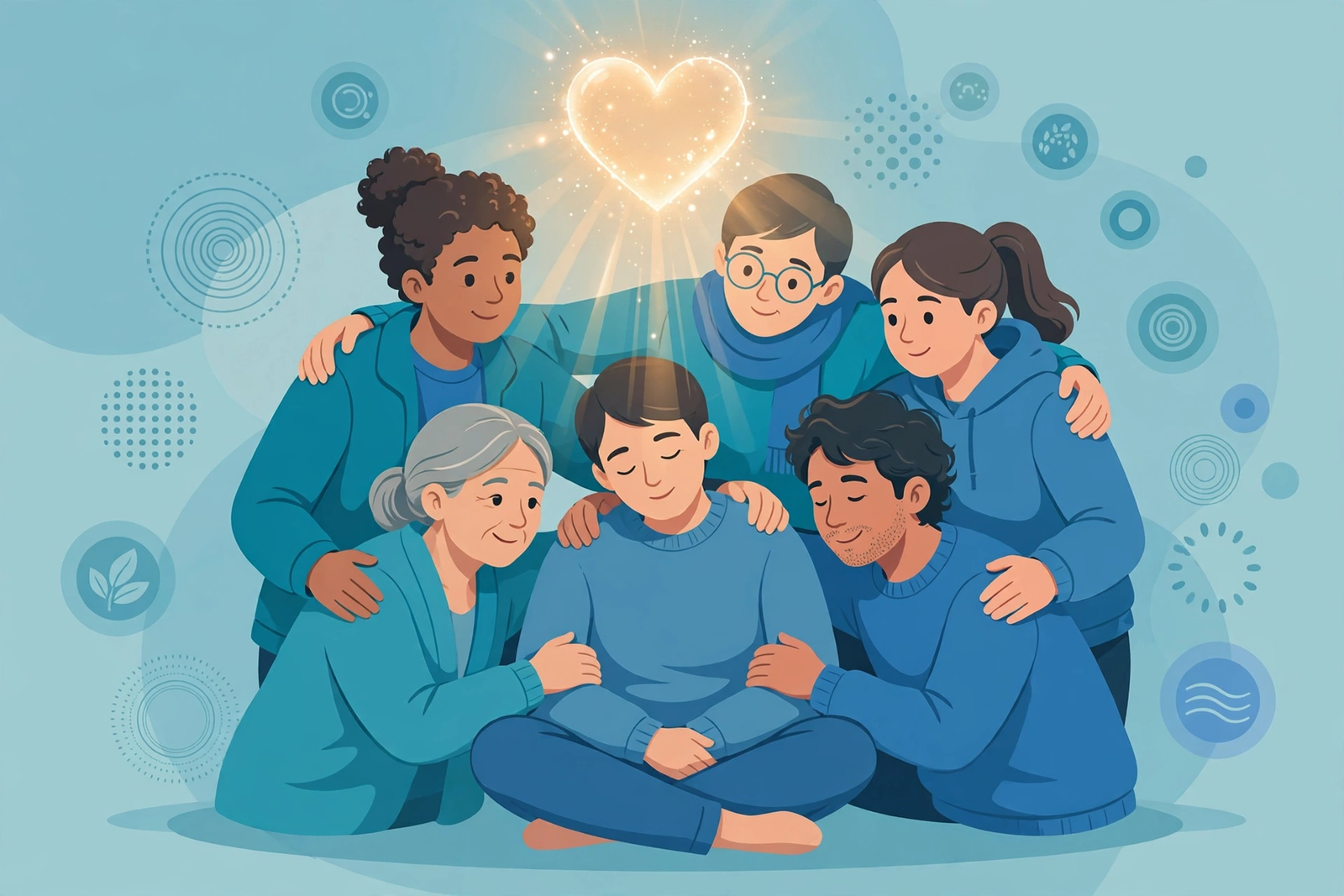
- Building social support: The support of loved ones can become an essential part of recovery, leading individuals to develop stronger social connections and a sense of community.
4. Cultivating Gratitude and Appreciation
Adjustment disorder can lead to feelings of loss, frustration, and hopelessness. However, once individuals begin to process their emotions, they may develop a deeper appreciation for the positive aspects of their lives.
- Recognizing the positive: As individuals recover from adjustment disorder, they may begin to notice and appreciate the small joys in their lives, such as time spent with loved ones or personal achievements.
- Focusing on gratitude: Practicing gratitude helps individuals shift their focus from what they have lost to what they still have, fostering a more positive outlook on life.
5. Discovering a Sense of Purpose
The process of healing from adjustment disorder can lead individuals to discover a renewed sense of purpose and meaning in their lives. This can be a result of spiritual growth, personal reflection, or a shift in life goals.
- Spiritual or existential growth: Some individuals find that their struggles with adjustment disorder prompt them to explore deeper spiritual or existential questions, leading to a stronger connection with their beliefs or values.
- Newfound purpose: After overcoming the challenges of adjustment disorder, individuals may find a renewed sense of purpose in helping others, pursuing their passions, or creating a meaningful life.
Strategies for Facilitating Post-Traumatic Growth
While post-traumatic growth can be a natural outcome of adjustment disorder, it often requires conscious effort and reflection. Below are some strategies that can help facilitate personal growth and emotional healing during the recovery process.
1. Engage in Self-Reflection
Self-reflection allows individuals to examine their thoughts, emotions, and experiences, helping them gain insight into their reactions and develop a deeper understanding of themselves.
- Journaling: Writing about your feelings and experiences can provide clarity and allow you to process your emotions in a healthy way.
- Mindfulness and meditation: Practicing mindfulness helps individuals stay present and cultivate self-awareness, which can promote personal growth and emotional healing.
2. Seek Therapy or Counseling
Therapy is an important tool for facilitating post-traumatic growth, as it helps individuals process their emotions, reframe negative thought patterns, and develop healthier coping mechanisms.
- Cognitive Behavioral Therapy (CBT): CBT can help individuals identify negative thinking patterns and replace them with more balanced perspectives, promoting emotional healing and growth.
- Trauma-focused therapy: For individuals experiencing significant trauma, therapy that focuses on processing traumatic experiences can help facilitate growth and recovery.
3. Practice Self-Compassion
Being kind and understanding toward oneself is essential for post-traumatic growth. Self-compassion allows individuals to accept their emotional struggles without judgment and gives them permission to heal at their own pace.
- Acknowledge your feelings: Recognize that it’s okay to feel vulnerable, sad, or uncertain during difficult times. Self-compassion allows you to process these emotions without guilt or shame.
- Be patient with yourself: Healing takes time. Practice patience and allow yourself the space to grow, knowing that you are on a journey toward emotional strength and resilience.
4. Foster Supportive Relationships
Social support is a key component of post-traumatic growth. Surrounding yourself with empathetic and understanding people can help you feel validated and encouraged as you heal.
- Lean on loved ones: Share your feelings and experiences with trusted friends or family members who can offer emotional support and encouragement.
- Seek out support groups: Joining a support group for individuals dealing with similar challenges can provide a sense of community and help you realize that you are not alone in your struggles.
Key Takeaways
- Post-traumatic growth (PTG) can occur after adjustment disorder, leading to greater resilience, self-awareness, and emotional strength.
- PTG involves personal growth in areas such as emotional strength, relationships, gratitude, and a renewed sense of purpose.
- Self-reflection, therapy, self-compassion, and building supportive relationships are essential for fostering post-traumatic growth and emotional healing.
- Adjustment disorder can serve as a catalyst for positive change and personal transformation when individuals embrace their emotional struggles and seek growth through adversity.
If you are struggling with adjustment disorder and seeking personal growth, contact us today to explore treatment options and strategies for fostering post-traumatic growth and emotional healing.
Note: This article is for informational purposes only and is not a substitute for professional medical advice, diagnosis, or treatment. If you’re struggling, please reach out to a qualified mental health professional.