



Key Points:
- Binge drinking is strongly linked to mental health issues, including depression, anxiety, and mood disorders.
- Excessive alcohol consumption can worsen existing mental health conditions.
- Early intervention and therapy are critical to addressing both binge drinking and underlying mental health issues.
- Support networks and healthier coping strategies can help break the cycle of binge drinking and improve mental well-being.
The Link Between Binge Drinking and Mental Health
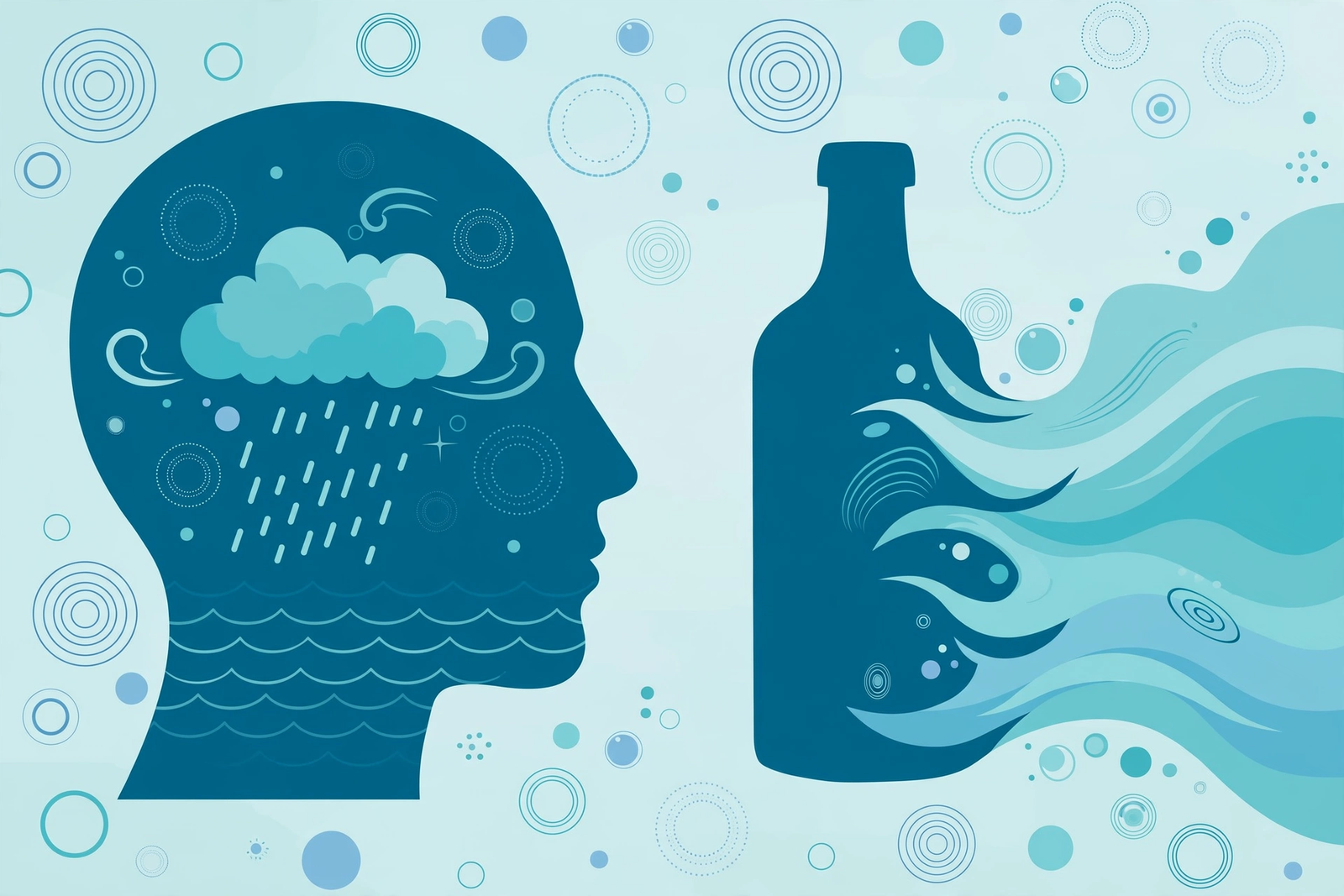
Binge drinking isn’t only a physical health concern — it’s deeply connected to your mental health too. Alcohol can both trigger and worsen emotional struggles, and many people caught in this cycle feel alone. Let’s gently explore the link between binge drinking and mental health, and discover compassionate paths toward healing.
In this article, we will explore how binge drinking affects mental health, the common mental health disorders associated with excessive alcohol consumption, and the importance of addressing both issues simultaneously for a full recovery.
Mental Health Disorders Associated with Binge Drinking
1. Depression:
One of the most common mental health conditions linked to binge drinking is depression. Alcohol is a depressant, which means that it can alter the balance of neurotransmitters in the brain, leading to feelings of sadness, hopelessness, and loss of interest in daily activities. Binge drinking can worsen existing depression by:
- Inducing depressive episodes: Alcohol’s depressive effects can trigger or intensify depressive symptoms, leading to a cycle of binge drinking and worsening mood.
- Impairing emotional regulation: Excessive alcohol use can make it harder for individuals to regulate their emotions, increasing vulnerability to depression and emotional instability.
2. Anxiety:
Many individuals with anxiety disorders use alcohol to cope with feelings of worry, fear, or nervousness. However, binge drinking can worsen anxiety symptoms in the following ways:
- Increased anxiety the next day: After binge drinking, individuals may experience heightened anxiety, panic attacks, or feelings of paranoia, often referred to as “hangxiety.”
- Alcohol-induced anxiety: Alcohol disrupts the balance of chemicals in the brain that regulate stress and anxiety, leading to an increase in anxiety symptoms, especially during withdrawal.
3. Mood Disorders:
Binge drinking can also contribute to mood disorders such as:
- Bipolar disorder: For individuals with bipolar disorder, alcohol can trigger manic or depressive episodes, making it harder to manage the condition.
- Personality disorders: Alcohol abuse can intensify the symptoms of certain personality disorders, including borderline personality disorder (BPD), where emotional instability and impulsivity are common.
How Binge Drinking Worsens Existing Mental Health Conditions
Binge drinking often compounds the difficulties of managing mental health disorders. For individuals who already suffer from conditions like depression, anxiety, or PTSD (Post-Traumatic Stress Disorder), alcohol can have serious consequences:
- Increased symptom severity: Alcohol can heighten symptoms of mental health disorders, leading to more intense episodes of depression or anxiety.
- Impaired treatment effectiveness: Alcohol consumption can interfere with medications prescribed to manage mental health conditions, making it harder for individuals to find relief from their symptoms.
- Self-medication cycle: Many people with mental health disorders use alcohol as a way to “self-medicate” or numb their emotions, which may offer temporary relief but ultimately worsens their condition in the long term.
The Impact of Binge Drinking on the Brain
Binge drinking affects the brain’s structure and function in significant ways, particularly in regions responsible for memory, emotions, and decision-making. The long-term effects of binge drinking on the brain can have lasting consequences for mental health:
- Impaired memory: Chronic binge drinking damages the hippocampus, the part of the brain responsible for forming and storing memories. This can lead to memory loss and cognitive impairments.
- Emotional regulation issues: The prefrontal cortex, which governs decision-making and emotional regulation, is heavily impacted by binge drinking, making it harder for individuals to manage their emotions and behavior.
- Neurochemical imbalances: Alcohol disrupts the balance of neurotransmitters in the brain, including serotonin and dopamine, which regulate mood and emotional well-being.
Seeking Help for Binge Drinking and Mental Health
Addressing binge drinking and mental health issues requires a comprehensive approach that tackles both the psychological and physical aspects of the condition. The following steps can help individuals recover and regain control of their lives:
1. Therapy and Counseling:
- Cognitive Behavioral Therapy (CBT): CBT is an effective treatment for both binge drinking and mental health conditions like depression and anxiety. CBT helps individuals identify and change negative thought patterns that contribute to both excessive drinking and emotional distress.
- Motivational Interviewing: This therapy helps individuals explore the reasons for their drinking behavior and encourages them to set goals for healthier living.
- Dual diagnosis treatment: Individuals with both binge drinking and mental health disorders may benefit from a dual diagnosis approach, where both issues are treated simultaneously in an integrated way.
2. Medication:
In some cases, medication may be prescribed to manage both mental health symptoms and alcohol dependence:
- Antidepressants: SSRIs or SNRIs may be used to treat depression and anxiety, helping individuals manage their mood and emotional regulation.
- Anti-anxiety medications: Short-term use of medications like benzodiazepines may help individuals manage anxiety symptoms, although they should be used cautiously alongside alcohol treatment.
- Medications for alcohol dependence: Medications such as disulfiram or naltrexone can help reduce the desire to drink by interfering with the pleasurable effects of alcohol.
3. Support Groups and Social Support:
Support groups like Alcoholics Anonymous (AA) or SMART Recovery offer individuals a sense of community and accountability as they work through their recovery journey. Additionally, maintaining strong social support from family and friends can provide emotional validation and practical help.
Preventing the Cycle of Binge Drinking and Mental Health Issues
Preventing binge drinking from becoming a coping mechanism for mental health issues is key to maintaining overall well-being. The following strategies can help:
- Developing healthy coping mechanisms: Teaching individuals healthy ways to cope with stress, such as through exercise, meditation, or journaling, can reduce the temptation to rely on alcohol for emotional relief.
- Mindfulness practices: Mindfulness and relaxation techniques can help individuals manage anxiety and depression without turning to alcohol.
- Encouraging social connections: Strong social networks can provide individuals with emotional support, reducing the isolation that often accompanies binge drinking.
Frequently Asked Questions
Can binge drinking cause mental health problems?
Yes, binge drinking can both trigger and exacerbate mental health problems such as depression, anxiety, and mood disorders. Alcohol affects the brain’s chemical balance, leading to emotional instability and cognitive impairments.
How can I stop binge drinking if I have depression or anxiety?
If you have depression or anxiety, it is important to seek professional help to address both issues simultaneously. Therapy, medication, and social support can help you manage both your mental health and alcohol use.
Can binge drinking be treated alongside mental health disorders?
Yes, treating both binge drinking and mental health disorders together is the most effective approach. Dual diagnosis treatment integrates therapy, medication, and support to address both conditions at the same time.
Key Takeaways
Binge drinking and mental health are closely intertwined, with excessive alcohol consumption often exacerbating symptoms of depression, anxiety, and other mood disorders. Seeking help through therapy, medication, and support networks is essential for individuals who struggle with both binge drinking and mental health issues. By addressing both problems, individuals can work toward long-term recovery and improved emotional well-being.
