



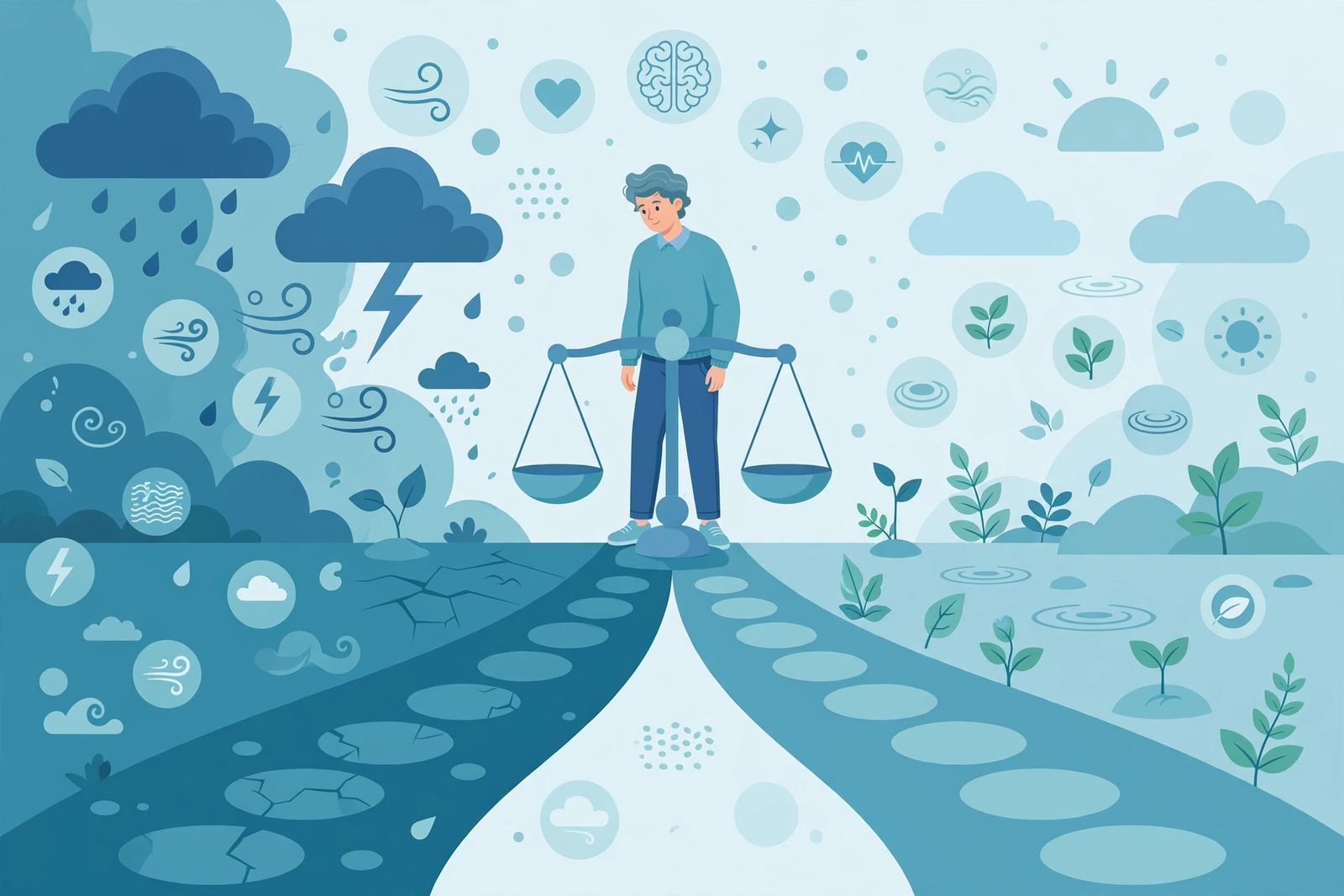
Key Points
- Building resilience is crucial for managing the emotional distress caused by adjustment disorder and overcoming life’s challenges.
- Resilience involves developing coping strategies, emotional regulation, and a positive outlook, which can help individuals adapt to major life changes.
- Strengthening mental health through self-care, therapy, and a supportive environment can reduce the impact of adjustment disorder.
- Early intervention and proactive strategies can improve emotional recovery and overall well-being.
When a major life change — like losing a loved one, navigating a career transition, or moving somewhere new — leaves you feeling overwhelmed, you’re not alone. Adjustment disorder can bring intense emotional distress. But building resilience to cope with adjustment disorder — the ability to bounce back from adversity — can help you manage stress and face life’s challenges with greater emotional strength.
In this article, we’ll explore what resilience really means, why it matters for coping with adjustment disorder, and practical, compassionate strategies for building resilience to support your emotional well-being and mental health.
What is Resilience?
Resilience is the ability to adapt to difficult situations, recover from setbacks, and continue moving forward despite adversity. It is not about avoiding stress but rather developing the mental and emotional strength to face challenges and maintain a sense of stability and well-being.
Resilience involves several key factors:
- Emotional regulation: The ability to manage emotions, particularly in response to stress or emotional challenges.
- Coping strategies: Developing effective methods for managing stress, anxiety, or sadness in healthy ways.
- Optimism and hope: Maintaining a positive outlook and believing that things will improve, even in the face of difficulty.
- Support systems: Relying on friends, family, or professional support to provide comfort, guidance, and reassurance during tough times.
Building resilience helps individuals develop the psychological strength necessary to cope with adjustment disorder and reduce the emotional toll of life’s stressors.
Why Resilience is Important for Coping with Adjustment Disorder
When individuals face significant life changes, such as those that trigger adjustment disorder, it can feel overwhelming. Resilience plays a vital role in enabling individuals to recover from emotional distress and regain a sense of control. The stronger the resilience, the better equipped individuals are to navigate the challenges brought on by the disorder and adjust to new circumstances.
1. Emotional Regulation and Stress Management
Adjustment disorder often leads to heightened emotions such as anxiety, sadness, or irritability. Resilience helps individuals regulate these emotions more effectively, reducing the emotional toll of stress.
- Coping with emotional overload: Resilient individuals are better able to manage overwhelming feelings by using relaxation techniques, deep breathing, and mindfulness to remain grounded.
- Positive emotional responses: Rather than feeling defeated by emotional distress, resilient individuals acknowledge their emotions, process them, and work towards regaining emotional balance.
2. Maintaining a Positive Outlook
Having a resilient mindset helps individuals maintain hope, even during times of distress. This positive outlook can significantly reduce feelings of helplessness and provide motivation to work through the challenges of adjustment disorder.
- Optimism in the face of adversity: Resilient individuals are able to focus on potential solutions, adapt to changes, and believe that things will improve, even when faced with uncertainty.
- Embracing change as an opportunity: Instead of viewing major life changes as obstacles, resilient individuals see them as opportunities for growth and self-discovery.
3. Building Healthy Relationships
Resilience also involves building and maintaining healthy relationships, which play an essential role in the recovery process from adjustment disorder. Strong social support provides reassurance, validation, and encouragement during tough times.
- Seeking help when needed: Resilient individuals recognize when they need support and are open to reaching out to friends, family, or professionals to help them navigate their emotions.
- Building trust and communication: Healthy relationships with others provide emotional stability and make it easier for individuals to manage stress and emotional pain.
4. Developing Problem-Solving Skills
Resilience also enhances problem-solving skills, which help individuals navigate the challenges of adjustment disorder and find constructive ways to cope with difficulties.
- Finding solutions to challenges: Resilient individuals are better equipped to find practical solutions to problems, whether related to work, relationships, or personal well-being.
- Accepting and adapting to change: Instead of resisting change, resilient individuals are able to adapt to new circumstances and find ways to make the best of difficult situations.
How to Build Resilience for Coping with Adjustment Disorder
Building resilience is an ongoing process that involves developing emotional strength, healthy coping strategies, and a positive mindset. Here are some strategies for enhancing resilience when dealing with adjustment disorder:
1. Foster Emotional Awareness
Being aware of your emotions is the first step in building resilience. Emotional awareness allows individuals to understand their feelings, recognize when they are becoming overwhelmed, and take steps to manage emotional distress.
- Identify emotional triggers: Pay attention to what causes emotional distress or anxiety, and practice self-awareness to identify patterns or specific triggers.
- Acknowledge and process emotions: Rather than suppressing feelings, allow yourself to feel and process them in a healthy way, whether through journaling, talking to a friend, or engaging in relaxation exercises.
2. Develop Healthy Coping Mechanisms
Coping mechanisms are essential for managing stress and emotional pain. Developing healthy coping strategies helps individuals stay emotionally balanced and reduce the impact of adjustment disorder.
- Practice mindfulness: Mindfulness exercises, such as focusing on the present moment or practicing deep breathing, can help reduce stress and bring calmness to the mind and body.
- Engage in physical activity: Regular exercise, such as walking, yoga, or swimming, can improve mood, reduce anxiety, and promote overall well-being.
- Develop hobbies or creative outlets: Engaging in activities such as art, writing, or music can provide emotional release and promote relaxation.
3. Build a Supportive Network
Having a strong social support system is key to resilience. Resilient individuals recognize the value of connection and seek support when needed.
- Reach out to family and friends: Stay connected with loved ones who offer empathy, understanding, and encouragement during difficult times.
- Join support groups: Participating in support groups or therapy can provide a safe space to share experiences and gain insight from others who are navigating similar challenges.
4. Focus on Personal Growth
Resilience involves seeing challenges as opportunities for growth. By focusing on personal development, individuals can learn from their experiences and become more adaptable and emotionally strong.
- Set small, achievable goals: Setting goals for personal growth can help individuals focus on progress and build confidence in their ability to cope.
- Embrace learning opportunities: Take each challenge as a chance to learn new coping strategies, gain new skills, and develop emotional strength.
5. Seek Professional Help
Therapy and counseling can provide valuable support for building resilience. Professionals can help individuals address negative thought patterns, develop healthier coping mechanisms, and improve emotional regulation.
- Cognitive Behavioral Therapy (CBT): CBT helps individuals identify and change negative thought patterns, fostering a more resilient mindset.
- Resilience training programs: Some therapists offer specialized programs focused on building resilience, helping individuals strengthen their emotional health and adaptability.
Key Takeaways
- Building resilience is essential for coping with adjustment disorder, as it helps individuals manage stress, regain emotional balance, and navigate life changes.
- Resilience involves emotional regulation, problem-solving skills, a positive outlook, and a supportive social network.
- Strategies for building resilience include fostering emotional awareness, developing healthy coping mechanisms, maintaining supportive relationships, and focusing on personal growth.
- Therapy and professional help can enhance resilience by providing tools and strategies to manage emotional distress and strengthen emotional well-being.
If you are struggling with adjustment disorder and looking to build resilience, contact us today to explore therapeutic options and strategies that can help you improve emotional well-being and adapt to life changes.
Note: This article is for informational purposes only and is not a substitute for professional medical advice, diagnosis, or treatment.
