



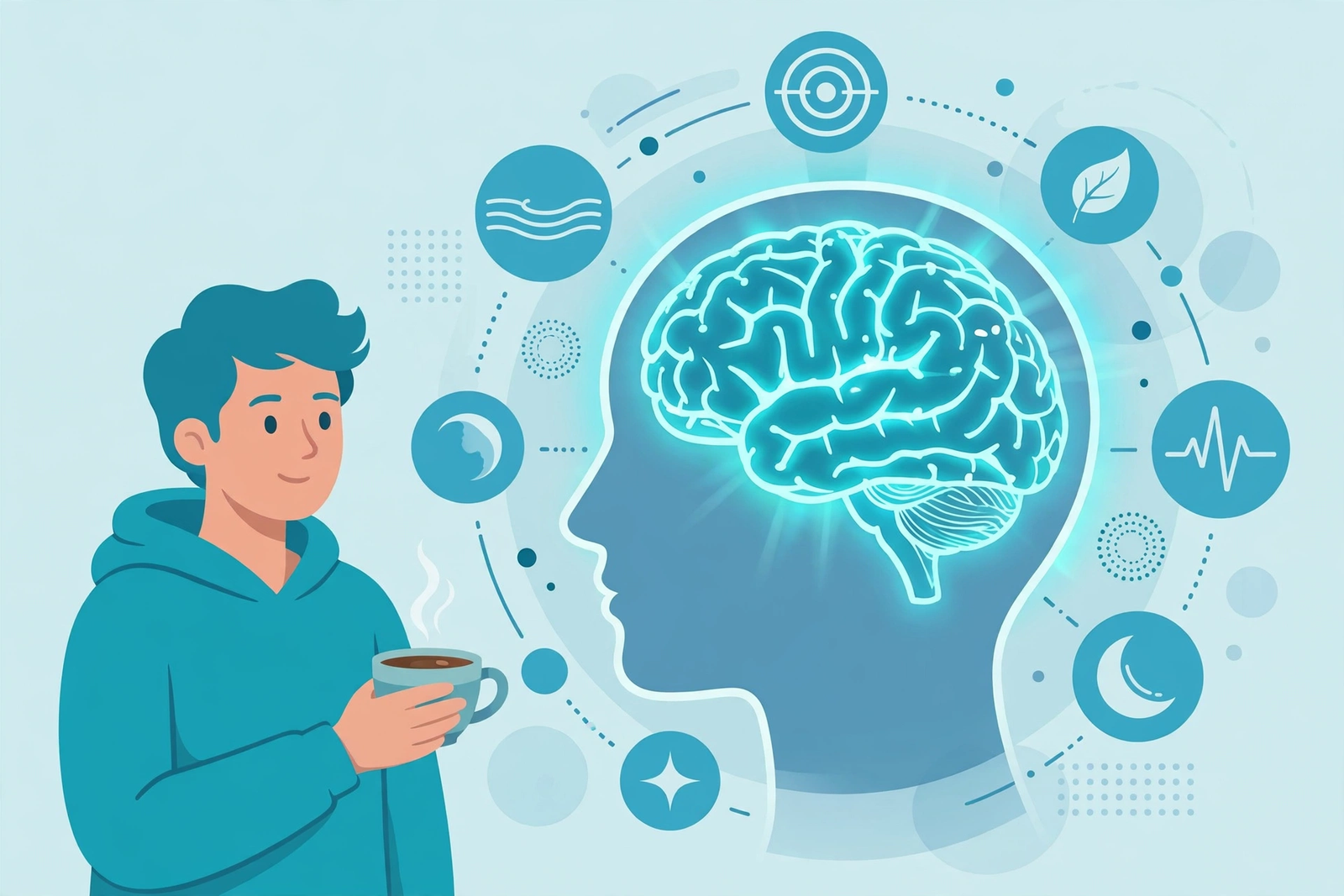
Caffeine is often associated with increased alertness and improved cognitive function, making it a popular choice for staying awake and focused. However, when consumed in excess, caffeine can have significant impacts on mental health, affecting mood, cognitive abilities, and emotional well-being. For individuals who become dependent on caffeine, the effects can be even more pronounced, leading to a cycle of reliance that negatively impacts overall mental health.
In this article, we will explore how caffeine addiction affects mental health, including its impact on mood, anxiety, cognitive function, and emotional stability. We will also discuss how individuals can manage their caffeine intake to maintain a healthier relationship with the substance.
How Caffeine Affects Mood and Emotional Well-Being
Caffeine works by stimulating the central nervous system, which can provide an energy boost and temporarily enhance mood. However, its impact on mood and emotions is not always beneficial, especially when consumed in excess.
1. Increased Anxiety:
One of the most significant mental health effects of caffeine addiction is its ability to exacerbate anxiety. Caffeine stimulates the release of cortisol, the stress hormone, which can lead to heightened feelings of nervousness, jitteriness, and restlessness. In individuals already prone to anxiety, caffeine can make these feelings worse, triggering panic attacks or chronic worry.
When caffeine is consumed in large amounts, it can cause the body to remain in a heightened state of alertness, making it difficult to relax or calm down. This can contribute to a constant cycle of anxiety and caffeine consumption, as individuals may turn to caffeine to combat fatigue and stress, only to further intensify their anxiety in the process.
2. Mood Swings:
Caffeine can cause fluctuations in mood, especially when consumed in large doses. While it initially provides a temporary lift in mood, the effects wear off after a few hours, often leading to a “crash.” This crash can make individuals feel irritable, fatigued, and emotionally unstable. Over time, this cycle of highs and lows can contribute to mood swings and emotional instability.
For people who are sensitive to caffeine, even moderate consumption can lead to irritability or feelings of frustration, especially when the effects of caffeine begin to wear off.
3. Increased Stress:
While caffeine may initially feel energizing, it can ultimately contribute to increased stress levels. As caffeine stimulates the release of cortisol, it places the body in a “fight or flight” state, which is useful in short bursts but can be harmful when prolonged. Over time, the body may struggle to manage chronic stress caused by regular caffeine consumption, leading to long-term mental health problems like burnout, fatigue, and difficulty managing stress.
The Impact of Caffeine on Cognitive Function
Caffeine is often used to improve cognitive performance, such as concentration, memory, and reaction times. However, while caffeine may offer short-term cognitive benefits, it can have negative effects on cognitive function in the long term.
1. Memory and Learning:
Caffeine can enhance alertness and focus in the short term, which may improve memory retention and learning during intense periods of concentration. However, excessive caffeine consumption can have the opposite effect by disrupting sleep patterns, which are crucial for memory consolidation. Chronic sleep deprivation, which is often a result of excessive caffeine intake, can impair cognitive function, making it harder to retain information and learn new material.
Additionally, caffeine dependence can lead to a diminished ability to concentrate without the stimulant, as the brain becomes reliant on caffeine to maintain focus.
2. Impaired Decision-Making:
High doses of caffeine can lead to feelings of anxiety and agitation, which may impair decision-making abilities. When the brain is overstimulated, individuals may find it more difficult to think clearly or make rational decisions. This can have consequences in both personal and professional contexts, as caffeine can lead to impulsivity or poor judgment when individuals are unable to manage their emotions.
3. Cognitive Decline in the Long Term:
Chronic caffeine use, especially in excessive amounts, has been linked to cognitive decline and an increased risk of mental health disorders such as depression and anxiety. While caffeine can temporarily enhance cognitive function, over time, the brain may become less responsive to its effects, leading to cognitive fatigue and diminished cognitive performance. Additionally, caffeine withdrawal can cause cognitive dysfunction in the form of brain fog and difficulty focusing.
Caffeine Addiction and Its Link to Mental Health Disorders
When caffeine becomes a regular part of an individual’s routine, addiction can develop, leading to physical and psychological dependence. This addiction can contribute to mental health disorders and exacerbate existing conditions.
1. Depression:
Caffeine addiction has been linked to an increased risk of depression, especially in individuals who rely on caffeine to combat feelings of fatigue or low mood. While caffeine may provide temporary relief, it does not address the underlying causes of depression. In fact, excessive caffeine consumption can interfere with sleep patterns, which are crucial for emotional regulation and overall mental health. Chronic sleep deprivation can worsen depression and make it more difficult for individuals to manage their symptoms.
2. Chronic Fatigue:
Caffeine addiction can lead to a cycle of chronic fatigue. As the body becomes dependent on caffeine to stay alert, individuals may experience fatigue when caffeine levels drop. This can lead to the need for more caffeine, creating a vicious cycle of reliance that exacerbates feelings of tiredness and mental exhaustion.
3. Increased Risk of Substance Abuse:
For some individuals, caffeine addiction may set a precedent for developing other substance dependencies. The need for a stimulant to enhance mood or energy levels can make individuals more susceptible to trying other substances, such as nicotine or drugs. Over time, caffeine addiction can contribute to a pattern of substance abuse that negatively impacts mental health.
How to Manage Caffeine for Better Mental Health
The key to maintaining mental health while consuming caffeine is moderation. By managing caffeine intake effectively, individuals can continue to enjoy its benefits without experiencing the negative mental health effects of overconsumption.
1. Set Limits on Caffeine Consumption:
Limit your caffeine intake to 200-400 milligrams per day (about one to three cups of coffee). This will help prevent dependency and reduce the risk of negative side effects like anxiety, mood swings, and sleep disruption.
2. Avoid Caffeine Late in the Day:
To protect sleep and prevent caffeine from interfering with your body’s natural sleep cycles, avoid consuming caffeine in the late afternoon or evening. This will help ensure that caffeine doesn’t impact your ability to fall asleep and get restful, restorative sleep.
3. Focus on Sleep and Stress Management:
To reduce the need for caffeine as a stimulant, prioritize good sleep hygiene and stress management practices. Get 7-9 hours of sleep each night, engage in relaxation exercises such as deep breathing or meditation, and incorporate physical activity into your daily routine to help manage stress.
4. Stay Hydrated and Eat Nutritious Foods:
Drinking water throughout the day and consuming a balanced diet can help maintain energy levels without the need for caffeine. Foods rich in vitamins, minerals, and antioxidants can support brain health and cognitive function, reducing the reliance on caffeine for mental clarity.
Frequently Asked Questions
Can caffeine affect my mental health?
Yes, excessive caffeine consumption can increase anxiety, irritability, and mood swings. It can also contribute to sleep disruption, which can worsen mental health conditions like depression.
Does caffeine affect cognitive performance?
While caffeine may temporarily improve alertness and focus, long-term dependence on caffeine can impair cognitive function, leading to problems with memory, concentration, and decision-making.
Can caffeine cause depression?
Chronic caffeine consumption can contribute to sleep disturbances and increased anxiety, which can exacerbate feelings of depression. It is important to manage caffeine intake to avoid these negative effects.
How can I reduce my caffeine intake to improve mental health?
Gradually reduce your caffeine consumption by substituting lower-caffeine beverages and setting limits on daily intake. Prioritize sleep, stress management, and a healthy diet to reduce reliance on caffeine.
Key Takeaways
Caffeine addiction can have a significant impact on mental health, affecting mood, anxiety, cognitive function, and overall emotional well-being. While moderate caffeine intake may provide temporary benefits, overconsumption can lead to a cycle of dependence that worsens mental health. By managing caffeine intake, prioritizing sleep and stress management, and adopting healthy habits, individuals can maintain mental clarity and emotional stability without relying on caffeine.
For more guidance on managing caffeine consumption for better mental health, contact us today.
