



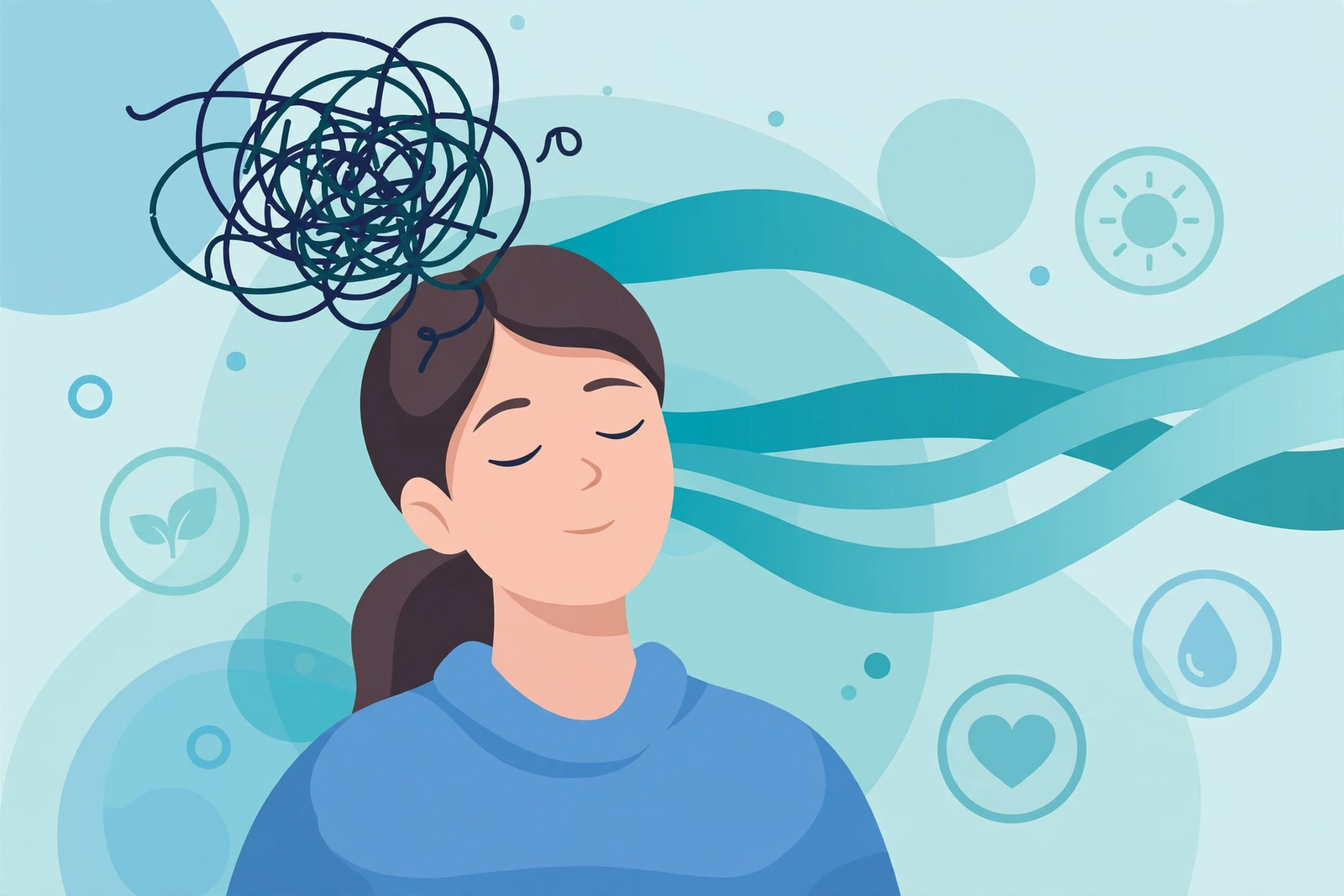
Anxiety is one of the most common mental health challenges in the world — if you live with it, you’re in very good company. The encouraging news: Cognitive Behavioral Therapy (CBT) is one of the most effective treatments available. CBT for anxiety helps you untangle negative thought patterns, build healthier coping strategies, and gradually reclaim a sense of calm and control.
In this article, we’ll explore how CBT works for anxiety, the techniques it uses, and how this evidence-based therapy can help you feel steadier — step by step.
1. Understanding Anxiety and Its Impact
Anxiety is a natural response to stress — but for many people, it becomes chronic and overwhelming. Anxiety disorders involve persistent worry, fear, or apprehension about everyday situations, and they can genuinely interfere with daily life. Some common types include:
- Generalized Anxiety Disorder (GAD): Excessive worry about many topics, often without a clear cause.
- Panic Disorder: Recurrent panic attacks — sudden, intense episodes of fear or discomfort.
- Social Anxiety Disorder: Fear of being judged or embarrassed socially, often leading to avoidance.
- Specific Phobias: Intense, irrational fear of specific objects or situations, like heights or flying.
Anxiety shows up in both body and mind:
- Physical symptoms: Rapid heartbeat, sweating, trembling, dizziness, shortness of breath.
- Emotional symptoms: Excessive worry, fearing the worst, feeling overwhelmed or out of control.
While some anxiety is a normal part of life, chronic or disproportionate anxiety deserves care — and CBT is a proven way to address it.
2. How CBT Works for Anxiety
CBT is especially effective for anxiety because it goes straight to the source: the negative thought patterns and behaviors that keep anxiety alive. It helps you see how your thoughts, emotions, and actions are connected — and how unhelpful thinking habits perpetuate worry.
2.1 Identifying and Challenging Negative Thoughts
At the heart of CBT is learning to catch and question the distorted thoughts that fuel anxiety — like catastrophizing (expecting the worst) or overgeneralizing (assuming one bad experience means permanent failure). These patterns intensify worry and keep you stuck in a fear loop.
In CBT, you work with your therapist to identify these thoughts and examine them honestly: what evidence supports them? What evidence doesn’t? By replacing irrational thoughts with more balanced ones, anxiety begins to loosen its grip.
For example, someone with social anxiety might think, “Everyone will think I’m awkward and judge me.” In CBT, you’d explore that together — recalling social moments that went fine, and realistically assessing how likely judgment actually is.
2.2 Behavioral Techniques and Exposure
CBT also uses behavioral techniques to help you face fears rather than avoid them. Avoidance feels safer in the moment, but it reinforces anxiety over time — like skipping gatherings to dodge potential judgment, which only makes the next invitation scarier.
Through exposure, you gradually confront feared situations, starting small and building up. Over time, this teaches your brain that the feared outcomes rarely happen — and that you can handle discomfort when it comes.
Someone with social anxiety might start by attending a small get-together with a close friend, then work up to larger events. Each step builds confidence and chips away at the fear.
2.3 Relaxation Techniques and Mindfulness
CBT also weaves in relaxation and mindfulness practices to calm anxiety’s physical symptoms — racing heart, tense muscles, shallow breathing. These tools help you stay grounded when anxiety surges.
Common techniques include:
- Deep breathing exercises: Slow, deep breaths to calm the nervous system and ease panic or tension.
- Progressive muscle relaxation (PMR): Tensing and releasing muscle groups to melt physical tension.
- Mindfulness: Staying present and observing thoughts without judgment, so anxious thoughts lose intensity.
Mindfulness teaches you to notice anxiety without being swept away by it — responding with calm instead of alarm.
3. The Benefits of CBT for Anxiety
CBT is one of the most widely used and effective treatments for anxiety disorders — and for good reason. Here’s what makes it stand out:
3.1 Empowerment Through Skills
CBT gives you practical skills you can use long after therapy ends:
- Cognitive restructuring: Challenging negative thoughts and replacing them with balanced ones.
- Problem-solving: Finding effective solutions to anxiety-triggering challenges.
- Relaxation and coping strategies: Managing stress and anxiety’s physical symptoms.
These skills put you back in the driver’s seat, building real confidence in handling difficult emotions.
3.2 Long-Term Effectiveness
CBT doesn’t just soothe symptoms in the moment — it equips you with strategies for life. By addressing the thought patterns and behaviors beneath anxiety, it lowers the chance of relapse.
Research consistently shows that people who complete CBT for anxiety enjoy significant improvements that last well beyond the final session.
3.3 Short-Term, Structured Treatment
CBT is typically short-term — often 12 to 20 sessions — with a clear, goal-oriented structure. You’ll learn practical tools you can apply from the very beginning, and see results without a years-long commitment.
3.4 Can Be Used for Other Conditions
The principles of CBT are wonderfully versatile. People dealing with depression, panic, or even chronic pain can benefit from similar techniques — making CBT a valuable tool for many mental health challenges.
4. Frequently Asked Questions
How does CBT help with anxiety?
CBT helps by identifying and challenging negative thought patterns, encouraging gradual exposure to feared situations, and teaching relaxation techniques for anxiety’s physical symptoms.
How long does CBT for anxiety take?
Typically 12 to 20 sessions, though it varies with your needs and progress. It’s designed to be short-term and goal-focused.
Is CBT effective for all types of anxiety?
Yes — CBT is proven effective for generalized anxiety disorder, panic disorder, social anxiety disorder, and specific phobias alike.
What is exposure therapy in CBT?
Exposure therapy gradually introduces you to feared situations in a safe, controlled way. Over time, you discover your fears are often exaggerated — and very manageable.
Can CBT be used with medication for anxiety?
Yes. Some people use medication to ease symptoms while CBT builds long-term coping strategies. The two can work beautifully together — talk with your doctor about what’s right for you.
Key Takeaways
Cognitive Behavioral Therapy (CBT) is a powerful ally against anxiety. By challenging negative thoughts, facing fears gradually, and practicing relaxation, you gain practical tools that genuinely work. Its structured approach brings both quick wins and lasting relief — skills you’ll carry with you for years.
A gentle note: this article is for education and encouragement, not medical advice. If anxiety is disrupting your daily life, consider reaching out to a qualified mental health professional — you deserve support that helps.
