



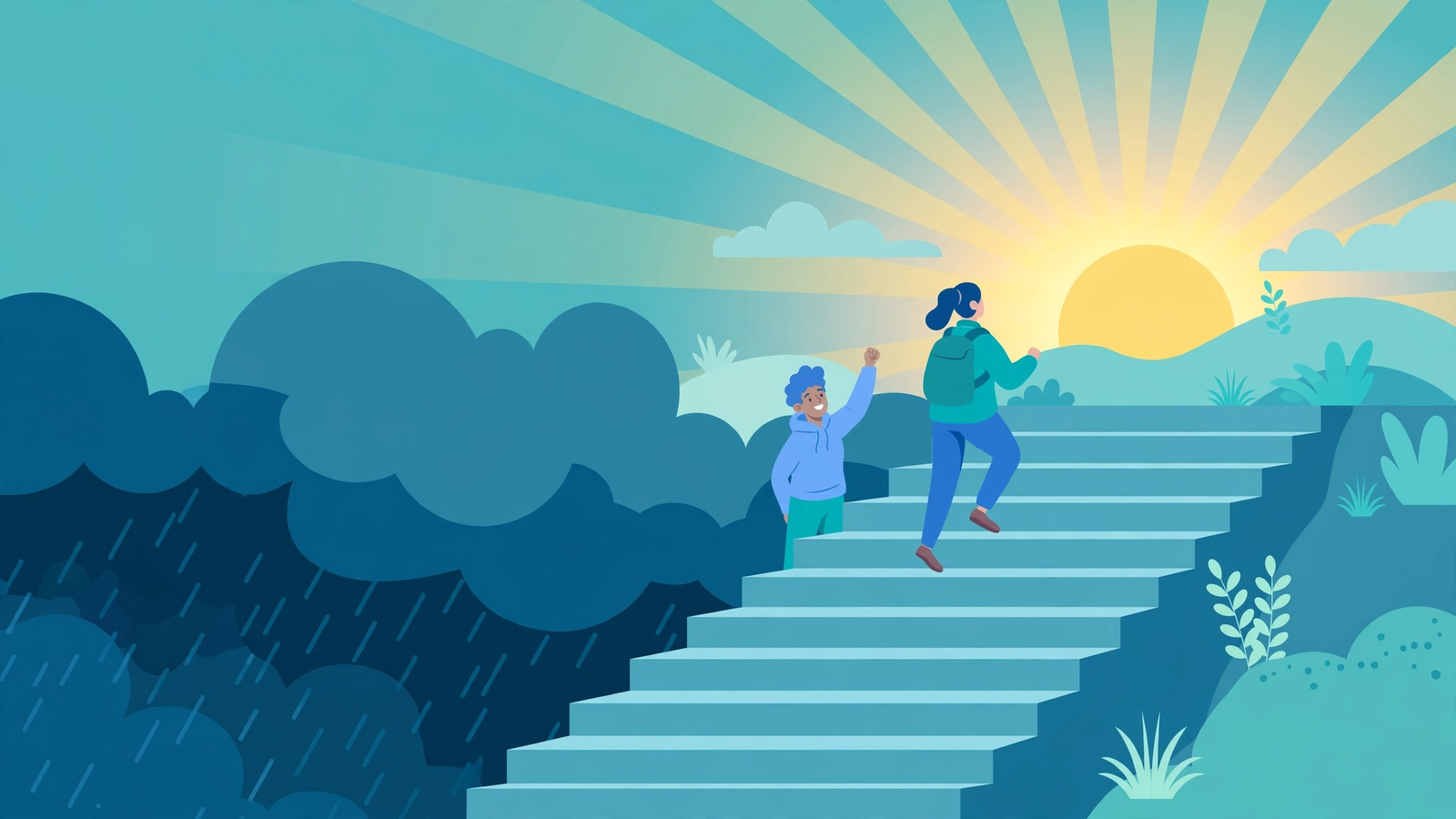
If you’ve worked hard to step away from gambling, the fear of relapse can feel like a shadow following you. Please know this: relapse doesn’t mean failure — it’s a common part of recovery, and every day you choose a healthier path matters. Let’s explore practical, compassionate strategies to prevent relapse and build the fulfilling future you deserve.
Key Points
- Preventing relapse in gambling disorder is essential for long-term recovery and involves continuous effort, support, and coping strategies.
- Developing a healthy lifestyle with balanced emotional, social, and financial well-being can protect against the temptation to return to gambling.
- Ongoing support and self-care play a crucial role in sustaining recovery and ensuring a healthy future.
- Relapse is a common part of the recovery process, but with the right tools and mindset, individuals can regain control and move forward.
Preventing Relapse in Gambling Disorder
Relapse is a common challenge in recovery from gambling disorder. While treatment can help individuals stop gambling, the path to long-term recovery involves continuous effort, ongoing therapy, and vigilance. Recognizing triggers and managing cravings are key to maintaining progress.
1. Identifying Triggers
- Emotional triggers: Stress, anxiety, boredom, or depression are common emotional triggers that may cause an individual to turn to gambling for relief. Identifying these emotions early can help individuals find healthier ways to cope.
- Social triggers: Social situations that involve gambling, such as parties, casinos, or peer pressure from friends who gamble, can be strong triggers. Avoiding or limiting exposure to these environments is crucial in preventing relapse.
- Environmental triggers: Certain locations, like casinos or online gambling sites, can trigger the urge to gamble. It’s important to remove or block access to these environments to reduce temptation.
2. Coping Strategies
- Developing healthy coping mechanisms: Replacing gambling with healthy activities, such as exercise, meditation, or hobbies, helps individuals manage stress and maintain a balanced lifestyle.
- Mindfulness and relaxation: Mindfulness techniques, such as deep breathing exercises, yoga, and mindfulness meditation, can help individuals stay grounded and present, reducing the emotional urge to gamble.
- Avoiding risky situations: Avoiding situations where gambling may occur, such as attending events or hanging out with friends who gamble, is essential in maintaining recovery. If unavoidable, individuals can bring a supportive friend or family member for assistance.
3. Building a Strong Support System
- Accountability partners: Having a trusted individual, such as a family member, friend, or sponsor from a recovery group, can help hold the individual accountable for their actions and provide encouragement.
- Support groups: Regular attendance at support groups like Gamblers Anonymous (GA) can provide ongoing motivation and a sense of community. Sharing experiences and hearing from others who are going through similar challenges can help reinforce recovery goals.
- Therapy and counseling: Ongoing therapy, including individual counseling or cognitive behavioral therapy (CBT), helps individuals address underlying emotional issues and reinforces the skills needed to maintain recovery.
Developing a Healthy Future After Gambling Disorder
Recovery from gambling disorder is not just about stopping the behavior; it’s about rebuilding a healthy life that fosters well-being, purpose, and joy. By focusing on a balanced lifestyle and continued self-care, individuals can ensure a brighter future.
1. Emotional and Psychological Well-being
- Addressing underlying mental health issues: Many individuals with gambling disorder also struggle with mental health conditions like anxiety, depression, or stress. Continuing to work on mental health in therapy can help individuals avoid using gambling as a coping mechanism.
- Building resilience: Resilience is the ability to bounce back from challenges and setbacks. By learning new coping strategies and strengthening emotional resilience, individuals can better handle life’s stresses without turning to gambling.
- Setting personal goals: Establishing short-term and long-term personal goals helps individuals stay focused on their future and motivated to continue with their recovery journey.
2. Social and Relationship Growth
- Rebuilding relationships: Gambling disorder often damages relationships, including family and friendships. Rebuilding trust and working on communication skills is key to restoring healthy relationships.
- Engaging in positive social activities: Participating in social events, volunteering, or joining clubs can help individuals form new, healthy connections and strengthen their social support network.
- Setting boundaries: Establishing and respecting boundaries in relationships can help protect against triggers and promote healthier interactions with others.
3. Financial Stability
- Financial planning and debt management: A crucial part of recovery is addressing the financial consequences of gambling. Seeking financial counseling, setting up a budget, and working to repay debts can help individuals regain financial stability.
- Budgeting and saving: Learning to manage money responsibly by setting a budget and saving for future goals can help individuals feel more in control of their financial situation and prevent the urge to gamble.
- Avoiding risky financial behavior: It’s important to avoid financial decisions that could lead to risky situations, such as borrowing money or taking on large debts. Having a trusted financial advisor or family member help manage finances can provide an additional layer of protection.
The Role of Self-Care in Long-Term Recovery
Self-care is essential for maintaining physical, emotional, and mental well-being during recovery from gambling disorder. A strong focus on self-care helps individuals stay grounded, balanced, and resilient.
1. Physical Health
- Regular exercise: Exercise is an excellent way to reduce stress, improve mood, and increase energy levels. Engaging in regular physical activity helps individuals focus on their overall health and well-being.
- Healthy eating: Maintaining a balanced diet and staying hydrated supports emotional stability and overall well-being. Healthy eating habits can also combat the fatigue and irritability that may accompany recovery.
- Sleep hygiene: Ensuring adequate and restful sleep is crucial for emotional regulation and physical health. Good sleep hygiene practices, such as sticking to a consistent sleep schedule and avoiding caffeine late in the day, can improve the quality of sleep.
2. Mindfulness and Stress Management
- Relaxation techniques: Regular mindfulness practices, such as progressive muscle relaxation or guided imagery, can help individuals manage stress and avoid unhealthy coping mechanisms like gambling.
- Journaling: Writing about personal experiences, emotions, and thoughts can help individuals process their feelings and track their progress during recovery.
- Spiritual or philosophical practices: For some individuals, engaging in spiritual or philosophical practices, such as meditation, prayer, or spending time in nature, can offer a sense of peace and purpose during recovery.
Key Takeaways
Preventing relapse in gambling disorder is an ongoing process that requires constant effort, healthy coping strategies, and a strong support system. By focusing on emotional well-being, rebuilding relationships, achieving financial stability, and practicing self-care, individuals can build a healthy and fulfilling future after gambling disorder. With commitment, patience, and the right tools, recovery is not only possible but can lead to a better quality of life.
If you or someone you know is recovering from gambling disorder, seeking professional help and implementing the strategies outlined in this article can help sustain long-term recovery and prevent relapse.
A gentle note: this article is for education and encouragement — it’s not medical advice. If you’re working on recovery from gambling disorder, consider reaching out to a qualified professional or support group for personalized guidance.
