


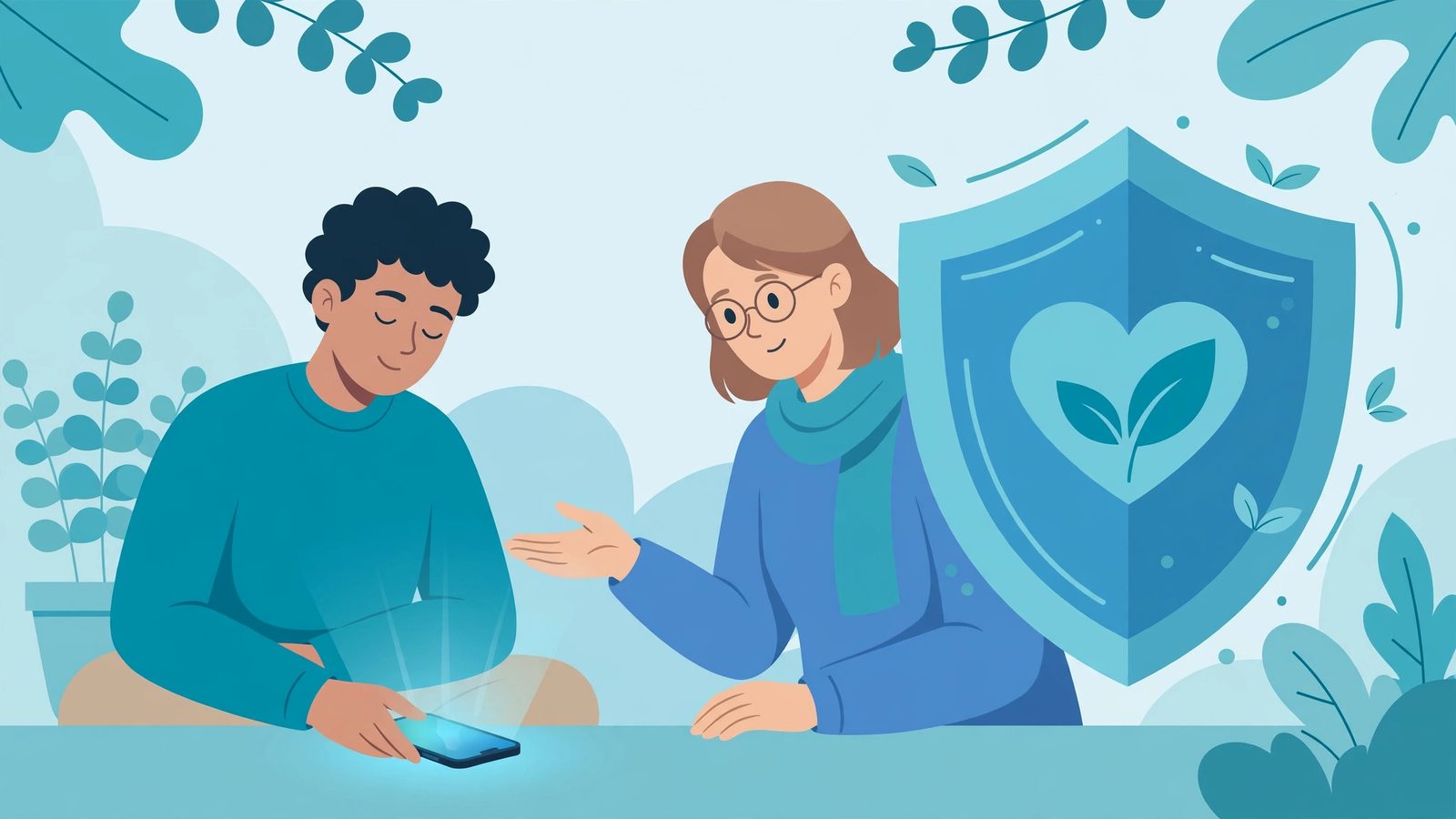
Our phones are always within reach — and for someone vulnerable to gambling disorder, that constant access can be dangerous. Online gambling, betting apps, and 24/7 digital casinos have made it easier than ever to lose control. But technology isn’t all bad; it also offers tools for recovery. Let’s explore both sides with open eyes.
Key Points
- Technology has played a significant role in the rise of gambling disorder, with the growth of online gambling platforms making it easier for individuals to gamble at any time.
- Online gambling offers greater access and anonymity, which can increase the risk of developing gambling disorder.
- Recognizing the dangers of technology-driven gambling and implementing appropriate prevention and recovery strategies is essential for managing gambling disorder.
- Treatment options for online gambling disorder include therapy, self-exclusion programs, and technological solutions designed to limit access to gambling sites.
The Influence of Technology on Gambling Disorder
The rapid growth of technology, particularly in the area of online gambling, has significantly impacted gambling disorder. The ease of access, 24/7 availability, and anonymity provided by online gambling platforms have made it increasingly difficult for individuals to control their gambling behaviors.
1. Accessibility and Convenience
- 24/7 availability: Online gambling platforms are available at all hours, allowing individuals to gamble anytime and anywhere. This constant access increases the risk of compulsive gambling behaviors.
- Ease of access: With the rise of smartphones and apps, gambling is now just a tap away. The convenience of online gambling makes it easier for individuals to gamble frequently without the barriers of traveling to physical casinos.
- Anonymity: Online gambling offers a sense of anonymity, which can encourage individuals to gamble without the social pressures or judgments that may exist in physical gambling environments.
2. Gambling Behavior and Technology
- Escalation of gambling habits: The speed and excitement of online gambling, including fast-paced games like slots, poker, and sports betting, can lead to the escalation of gambling habits. Many online games are designed to keep players engaged, often leading them to bet larger amounts to chase losses.
- Reinforcement of addictive behaviors: Technology-driven gambling often includes features such as bonus rounds, free spins, and easy access to credit or in-game currency. These features can reinforce addictive behavior by providing immediate rewards that encourage individuals to continue gambling.
- Increased isolation: Online gambling can contribute to social isolation, as individuals may choose to gamble alone in private settings. The lack of social interaction and the ability to hide gambling behavior can make it harder for individuals to recognize the negative impact gambling is having on their lives.
Online Gambling and Its Connection to Gambling Disorder
Online gambling has transformed how individuals engage with gambling, contributing to the increase in gambling disorder cases. While the convenience and accessibility of online platforms can be appealing, they also present unique challenges for individuals who may be prone to gambling addiction.
1. Types of Online Gambling
- Online casinos: Many people access online casinos, where they can play a variety of games such as slots, poker, and blackjack. These games are designed to be fast-paced and often reward players with bonus rounds or in-game credits, encouraging continued play.
- Sports betting: Online sports betting has grown significantly, with individuals able to bet on a wide range of sports and events at any time. The ease of placing bets through apps or websites increases the temptation for individuals to gamble more frequently.
- Online poker and lottery: Poker and lottery games are widely available online, offering individuals the chance to win large sums of money with a small investment. The competitiveness of poker or the hope of winning the lottery can keep individuals engaged for longer periods.
2. The Risks of Online Gambling
- Increased frequency and duration of gambling: With the constant availability of online gambling, individuals may engage in gambling for extended periods. This can lead to the development of gambling disorder, as individuals struggle to stop despite the negative consequences.
- Escalation of financial loss: Online gambling can result in rapid financial loss due to the speed of gameplay and ease of placing bets. The temptation to chase losses may lead individuals into significant financial distress.
- Lack of regulation: In some cases, online gambling websites may not be properly regulated, allowing individuals to access gambling platforms that are unlicensed or do not adhere to responsible gambling guidelines.
Treatment Strategies for Online Gambling Disorder
Treating gambling disorder, particularly in the context of online gambling, requires a comprehensive approach. Individuals affected by online gambling disorder need specialized treatment strategies that address both the psychological and behavioral aspects of addiction.
1. Therapy
- Cognitive Behavioral Therapy (CBT): CBT helps individuals identify and change negative thought patterns and behaviors related to gambling. For online gambling disorder, CBT can focus on recognizing the triggers of online gambling and finding healthier ways to cope with those triggers.
- Motivational Interviewing (MI): MI can help individuals explore their motivations for gambling and their desire for change. By addressing ambivalence, MI enhances motivation to quit gambling and seek recovery.
- Family therapy: As with other types of gambling disorder, involving family members in the treatment process can provide emotional support, enhance communication, and address any relational issues caused by the gambling behavior.
2. Self-Exclusion Programs
- Voluntary self-exclusion: Many online gambling platforms offer self-exclusion programs, where individuals can voluntarily block access to gambling websites for a specified period. This is an important tool for individuals who struggle with self-control and need to limit their access to online gambling platforms.
- Third-party self-exclusion services: There are also independent services that allow individuals to self-exclude from multiple gambling websites, which can be a useful option for people who participate in online gambling across different platforms.
3. Support Groups
- Gamblers Anonymous (GA): Support groups such as GA provide a community for individuals in recovery. GA meetings are often held in person and online, allowing individuals with online gambling disorder to attend meetings and gain support without needing to leave their homes.
- Online support groups: For individuals who may feel more comfortable discussing their gambling issues anonymously, online support groups provide a non-judgmental space to share experiences and receive advice from others who are recovering from gambling disorder.
4. Technological Solutions
- Gambling blocking software: Various apps and software are available to block access to gambling sites. These tools can be used to limit internet access to gambling platforms and reduce the temptation to gamble.
- Financial controls: Setting up financial barriers, such as limiting access to credit cards or using cash only, can help individuals manage their gambling behavior. Many gambling disorder programs also work with financial advisors to help individuals regain control of their finances.
Key Takeaways
Technology, especially online gambling platforms, has made gambling more accessible and convenient than ever before. While this provides individuals with greater opportunities for entertainment, it also increases the risk of gambling disorder. Early intervention, therapy, self-exclusion programs, and technological solutions are essential in treating online gambling disorder and preventing relapse. Building a healthy future after gambling disorder requires a balanced approach that addresses both the addiction and the psychological factors driving it.
If you or someone you know is struggling with online gambling disorder, seek professional help and consider utilizing self-exclusion programs and support groups to begin the recovery process.
A gentle note: this article is for education and encouragement — it’s not medical advice. If online gambling is affecting your life, consider reaching out to a qualified professional or using blocking tools and support resources.