



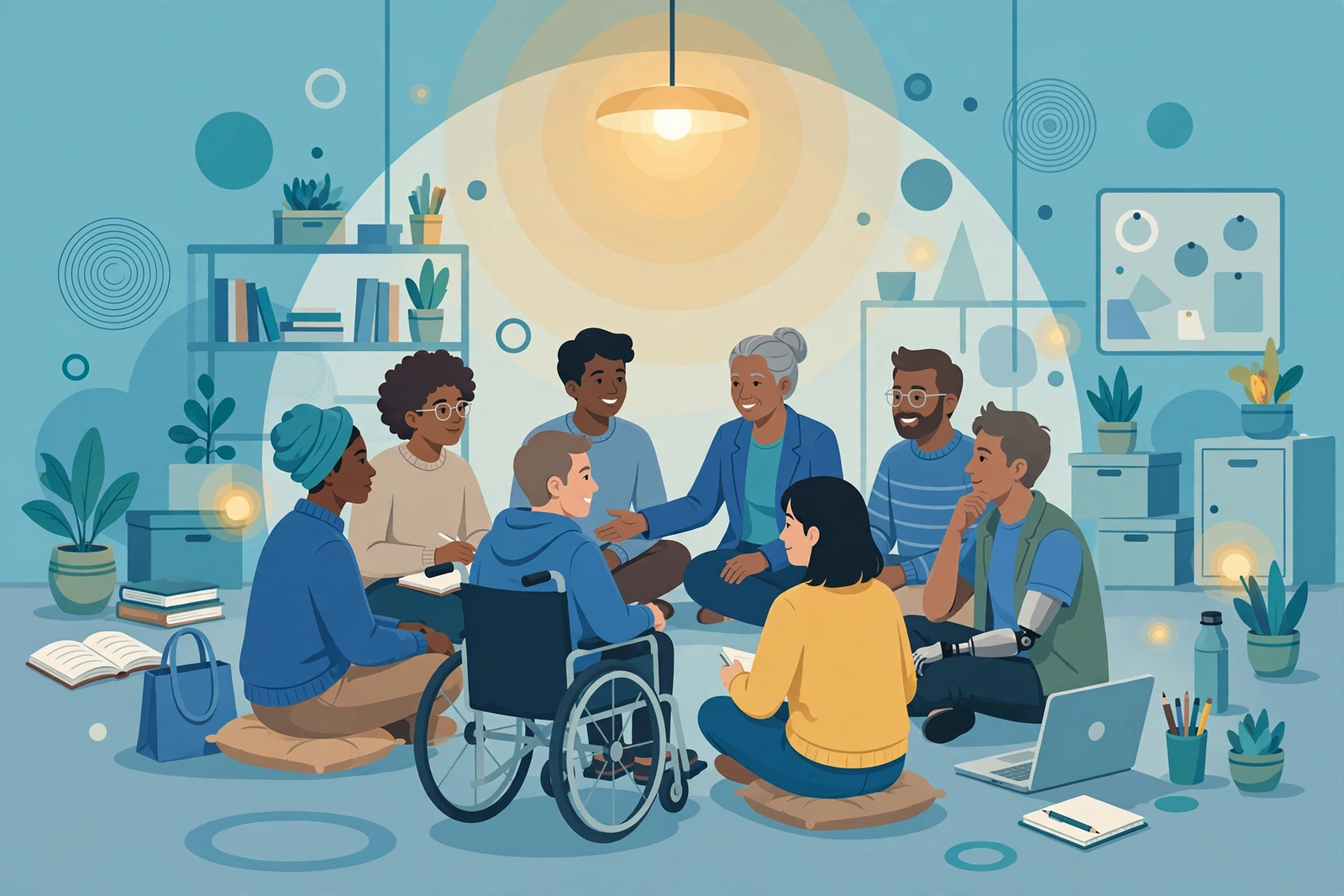
If you or someone you care about is navigating gender dysphoria, you already know how much it matters to feel seen, respected, and supported — at school, at work, and everywhere in between. In this guide, we’ll gently walk through how education and workplace inclusion can create safer, more affirming spaces, and what meaningful support can look like in everyday life.
Key Points
- Inclusive education and workplace policies are crucial for supporting individuals with gender dysphoria, providing a safe and affirming environment for them to thrive.
- Gender-neutral language, respect for preferred pronouns, and non-discriminatory practices help create inclusive spaces for individuals with gender dysphoria.
- Educational institutions and workplaces must proactively address issues related to gender identity, providing resources, training, and policies that protect against discrimination.
- Creating supportive and inclusive environments improves mental health outcomes and helps individuals with gender dysphoria feel respected, valued, and empowered.
The Importance of Education in Supporting Gender Dysphoria
For a student experiencing gender dysphoria, school or university can feel like a second home — or like a place where they have to hide who they really are. A supportive educational environment can make a profound difference: it lifts emotional well-being and helps students thrive academically while navigating their gender journey with confidence.
1. Inclusive Policies in Schools and Universities
- Non-discrimination policies: Schools and universities should have clear anti-discrimination policies that protect students with gender dysphoria from harassment, exclusion, or mistreatment. These policies should include the use of preferred names and pronouns, access to gender-neutral facilities (e.g., bathrooms and locker rooms), and accommodations for students undergoing medical transition.
- Support for transitioning students: Educational institutions should provide counseling services and support groups specifically designed for students with gender dysphoria. These services can help students navigate the challenges of gender transition, including coping with social, academic, and emotional difficulties.
- Access to resources: Schools should offer access to resources such as educational materials on gender identity, as well as links to community organizations and mental health support specifically for transgender and gender-diverse students.
2. Gender-Neutral and Inclusive Language
- Using preferred names and pronouns: One of the simplest yet most impactful ways to support students with gender dysphoria is by consistently using their preferred names and pronouns. This small act of respect can significantly improve a student’s sense of safety and belonging within the educational environment.
- Gender-neutral policies: Schools and universities can adopt gender-neutral language in their policies, forms, and materials. For example, using terms like “student” or “individual” instead of gendered titles (e.g., “he” or “she”) ensures inclusivity and prevents alienating those with gender dysphoria or those who identify as non-binary.
3. Addressing Bullying and Harassment
- Anti-bullying programs: Bullying and harassment are major concerns for students with gender dysphoria. Educational institutions should implement comprehensive anti-bullying programs that specifically address the unique challenges faced by transgender and gender-diverse students.
- Safe spaces and peer support: Schools should establish safe spaces, such as LGBTQ+ student groups, where students can connect with peers who understand their experiences and challenges. Peer support can reduce feelings of isolation and provide essential emotional backing during the transition process.
Creating Inclusive Workplaces for Individuals with Gender Dysphoria
We spend so much of our lives at work, and everyone deserves to walk through the door as their whole self. For employees with gender dysphoria, an inclusive and respectful workplace is more than good policy — it’s what helps people feel safe in their identity, supported in their transition, and able to do their very best work.
1. Gender-Inclusive Workplace Policies
- Non-discrimination policies: Like educational institutions, workplaces must have clear anti-discrimination policies that protect employees from gender-based harassment and discrimination. These policies should explicitly mention gender identity and gender expression as protected characteristics.
- Respect for preferred pronouns: Ensuring that colleagues and supervisors use preferred names and pronouns is a fundamental aspect of creating an inclusive workplace. This respect for identity helps foster a culture of inclusion and improves employee satisfaction and productivity.
- Gender-neutral facilities: Workplaces should provide access to gender-neutral restrooms and changing areas to accommodate employees with gender dysphoria. This helps individuals feel more comfortable and reduces anxiety related to using gendered facilities.
2. Training and Education for Employees
- Diversity and inclusion training: Employers should implement training programs that educate all employees on gender dysphoria, gender identity, and the importance of inclusivity. These programs should aim to reduce ignorance, foster empathy, and equip employees with the knowledge to support their colleagues effectively.
- Transgender-inclusive policies: Training should include information on the legal rights of transgender employees, including the right to undergo a medical transition and the right to be treated with dignity and respect. This ensures that workplace policies are aligned with best practices in supporting employees with gender dysphoria.
3. Providing Workplace Support for Transitioning Employees
- Transition support plans: Employers can help transitioning employees by developing a transition support plan. This may include flexible work schedules for medical appointments, assistance with changing official records, and support for social transition in the workplace.
- Mental health support: Providing access to mental health services, such as counseling or employee assistance programs (EAPs), can be particularly important for employees who may be navigating emotional challenges related to their gender dysphoria and transition.
- Workplace mentorship: Pairing employees who are transitioning with mentors or role models who have gone through similar experiences can provide guidance and support throughout the process.
The Legal Framework Supporting Gender Dysphoria in Education and Work
The legal protections for people with gender dysphoria are still evolving, and knowing your rights can be genuinely empowering. In many countries, laws are already in place to protect against discrimination and to ensure access to support systems — both in education and in the workplace.
1. Legal Protections in Education
- Title IX (USA): In the United States, Title IX of the Education Amendments of 1972 prohibits discrimination on the basis of sex in educational programs and activities. This includes discrimination against transgender students. Schools must provide an inclusive and non-discriminatory environment for students with gender dysphoria.
- International laws: Many countries have laws that protect transgender individuals in education, ensuring access to gender-affirming care, anti-bullying protections, and the right to transition socially and medically in school settings.
2. Legal Protections in the Workplace
- Equality Act (USA): In the United States, the Equality Act amends the Civil Rights Act of 1964 to include gender identity as a protected class. This ensures that individuals with gender dysphoria cannot be discriminated against in hiring, firing, and promotion decisions.
- International labor laws: Many countries, including Canada, the UK, and Australia, have labor laws that protect transgender individuals from workplace discrimination and ensure access to gender-affirming care and accommodations.
Key Takeaways
Creating inclusive education and workplace environments for people with gender dysphoria is, at its heart, about respect, equality, and care. Simple, consistent practices — using preferred names and pronouns, offering gender-neutral facilities, and standing firmly against discrimination — help people feel safe, valued, and free to be themselves. When schools and employers pair these policies with training and real support systems, everyone has a better chance to thrive.
If you’re part of a school, a team, or an organization, consider this your gentle invitation: the small steps you take toward inclusion today can change someone’s everyday experience for the better. A little understanding goes a long way.
A gentle note: this article is meant for education and support — it isn’t medical advice. If you or someone you love is struggling with gender dysphoria, please reach out to a qualified healthcare professional or counselor who can offer personalized, compassionate guidance.
