



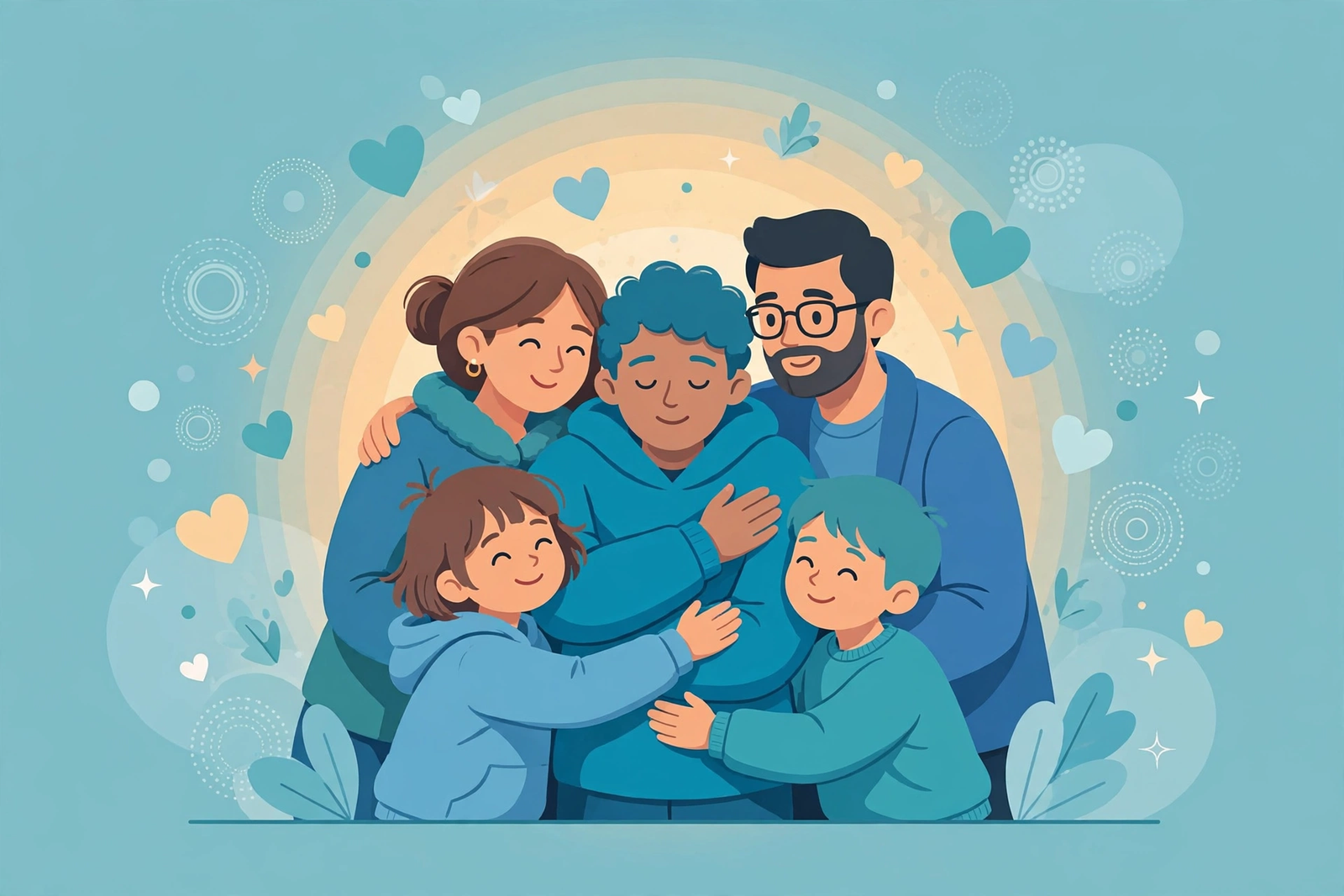
When someone you love shares that they’re experiencing gender dysphoria, it can bring a swirl of emotions — love, worry, questions, and a deep desire to get it right. This guide is for you: the parent, partner, sibling, or friend who wants to offer steady, compassionate support through every step of the transition journey.
Key Points
- Family support is essential for individuals with gender dysphoria, as it provides emotional stability, encouragement, and validation during the transition process.
- Educating family members about gender dysphoria and gender identity can reduce misunderstandings and create a more supportive environment.
- Healthy communication, setting boundaries, and participating in family therapy can strengthen relationships during the transition.
- Loved ones should also seek support to manage their own emotions and better support the individual with gender dysphoria.
The Role of Family in Supporting Gender Dysphoria
Gender dysphoria is a deeply personal experience, and the transition journey can feel challenging and emotional — for the person transitioning and for the people who love them. The good news? Family support can make a world of difference. When loved ones show up with empathy, patience, and a willingness to learn, they become one of the most powerful sources of strength a person can have.
1. Offering Emotional Support
- Validation and acceptance: One of the most important aspects of supporting a loved one with gender dysphoria is validating their gender identity. Acceptance and respect for their gender identity, including the use of correct names and pronouns, can significantly reduce emotional distress and provide a sense of safety and comfort.
- Listening and understanding: Family members should offer an empathetic ear, allowing the individual to express their thoughts, feelings, and experiences without judgment. This creates an open and supportive space for the individual to feel heard and understood.
- Encouraging self-expression: Supporting an individual’s self-expression—whether through clothing, hairstyle, or social interactions—can help affirm their gender identity and increase their confidence during the transition process.
2. Practical Support During Transition
- Assisting with legal and medical processes: Transitioning often involves legal and medical procedures, such as name and gender marker changes on official documents, hormone therapy, or gender-affirming surgeries. Family members can offer practical support by helping with these logistics or providing financial assistance when needed.
- Accompanying to appointments: Attending medical appointments or therapy sessions with a loved one can provide emotional support and reduce feelings of isolation. It also shows a commitment to their well-being and helps ensure they have the necessary resources for a successful transition.
- Creating a safe environment: A family’s home can be an essential source of emotional safety for someone transitioning. Ensuring that the home environment is welcoming and free from judgment or hostility allows the individual to feel secure as they navigate their transition.
Educating Family Members About Gender Dysphoria
For family members, understanding gender dysphoria and the beautiful complexity of gender identity is an essential first step. You don’t need to have all the answers — just an open heart and a willingness to learn. A little education goes a long way toward replacing fear and misunderstanding with confidence and care.
1. Learning About Gender Dysphoria
- Understanding the condition: Family members should educate themselves about what gender dysphoria is and how it affects the individual. This includes understanding the difference between gender identity, gender expression, and sexual orientation, as well as the emotional and psychological impact of gender dysphoria.
- Resources and support groups: Many LGBTQ+ organizations offer resources and educational materials for families of individuals with gender dysphoria. Family members can also benefit from attending family support groups, such as PFLAG, which provide educational opportunities and connect families with others going through similar experiences.
2. Reducing Misunderstanding and Stigma
- Challenging stereotypes: Family members should be aware of and challenge any negative stereotypes or biases they may hold about gender identity. Encouraging open-mindedness and acceptance helps create a supportive environment for the individual.
- Dealing with societal stigma: Gender dysphoria is often misunderstood by society, and families may face judgment from others. It’s important for families to be prepared for external stigma and to stand united in support of their loved one, ensuring they feel supported both inside and outside the home.
Healthy Communication Within the Family
Clear, kind, and open communication is the bridge that keeps families connected through transition. It’s completely normal for conversations to feel awkward or emotional at first — what matters most is that everyone feels heard, respected, and loved.
1. Open Dialogue About Gender Identity
- Starting the conversation: For many families, the conversation about gender dysphoria may be the first time discussing gender identity in-depth. It’s important to approach this conversation with an open mind and a willingness to learn. Let the individual express their feelings, and ask questions to better understand their experience.
- Respecting boundaries: While it’s important to be supportive, it’s equally important to respect the individual’s boundaries. Some may not feel comfortable discussing every aspect of their gender identity or transition. Families should create a space where the individual feels empowered to share at their own pace.
2. Navigating Difficult Emotions
- Addressing family concerns: Family members may have concerns or anxieties about the transition process, especially if they have limited understanding of gender dysphoria. It’s important for families to communicate their feelings in a way that does not invalidate the individual’s experience. Seeking therapy or counseling together can help address any issues or emotional challenges.
- Managing conflicts: There may be times when family members disagree or struggle to accept the individual’s gender identity. In these cases, family therapy or counseling can help mediate conflicts and ensure that everyone’s concerns are heard and addressed.
Family Therapy and Professional Support
Family therapy can be a wonderful support for the whole family during the transition process. A compassionate therapist offers a safe, neutral space where everyone — the person transitioning and their loved ones — can share feelings, work through challenges, and grow closer together.
1. Family Therapy
- Improving communication: Family therapy provides a structured environment where family members can express their concerns, share their emotions, and work on improving communication. A therapist specializing in gender dysphoria can guide the conversation and help family members understand each other’s perspectives.
- Building resilience: Transitioning is a challenging journey, and family therapy can help family members build resilience by learning coping strategies and ways to support the individual’s emotional well-being.
- Navigating resistance: For families who are struggling with acceptance, therapy can help address resistance to the transition process. A therapist can help family members work through their emotional reactions and provide guidance on how to offer support without judgment.
2. Mental Health Support for Family Members
- Managing personal emotions: Supporting a loved one through gender dysphoria can be emotionally challenging for family members. It’s important for family members to seek their own mental health support to process their feelings, manage stress, and avoid burnout.
- Self-care: Families should prioritize their own well-being and self-care, ensuring they are emotionally and physically prepared to support their loved one. Taking time for personal activities, seeking individual counseling, and engaging in healthy coping mechanisms are essential for maintaining balance.
Key Takeaways
At the end of the day, family and loved ones play an irreplaceable role in supporting someone with gender dysphoria. Your acceptance, your willingness to learn, and your steady presence send a powerful message: you are loved exactly as you are. And when the road feels bumpy, remember that seeking support — for them and for yourself — is a sign of strength, not weakness.
If you’re walking alongside a loved one with gender dysphoria, consider reaching out for professional guidance and nurturing your own well-being too. You don’t have to navigate this alone — support is available for the whole family.
A gentle note: this article is for education and support — it isn’t medical advice. If you or a loved one is struggling with gender dysphoria, please reach out to a qualified healthcare professional or counselor for personalized guidance.
