



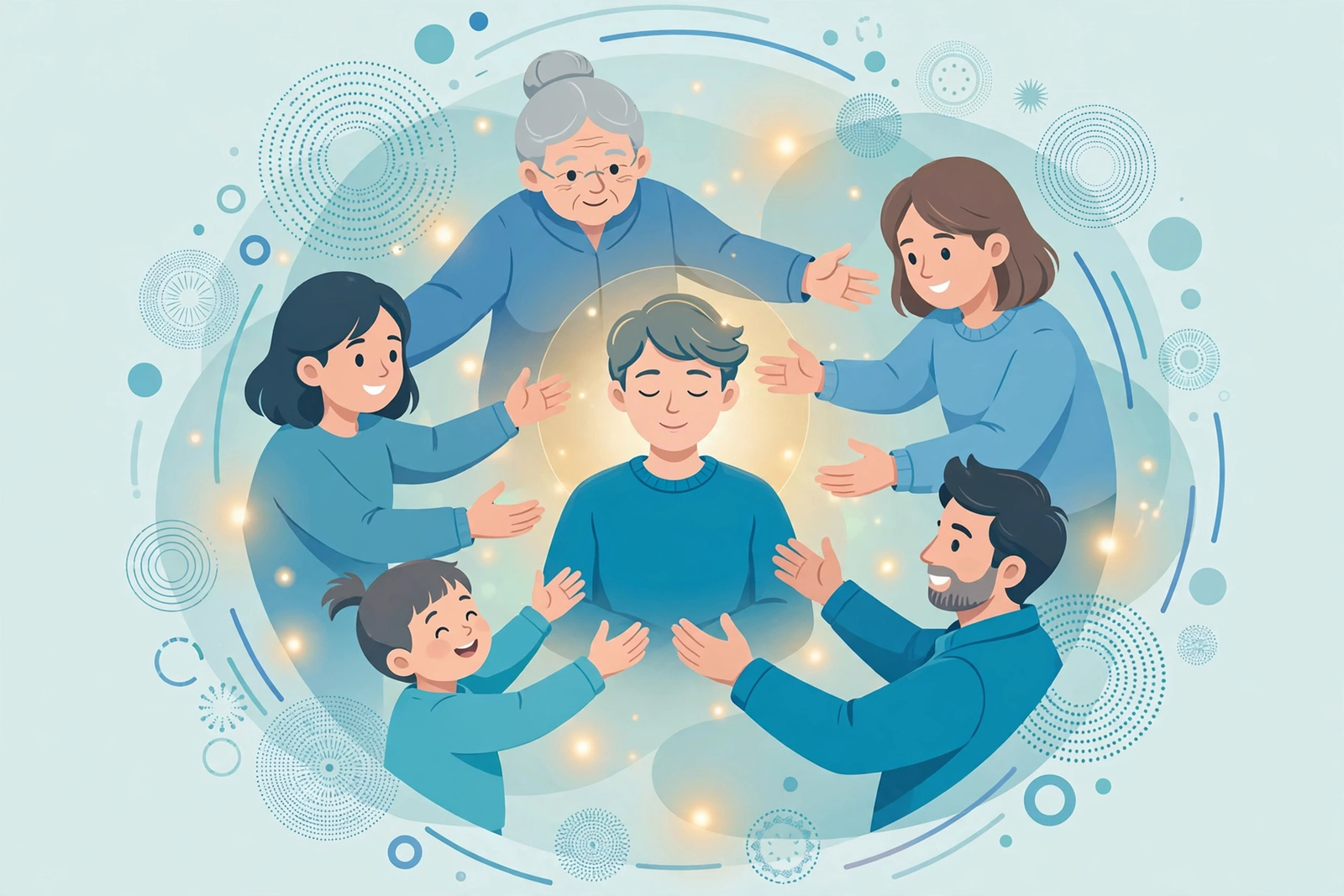
When someone you love lives with generalized anxiety disorder, you might feel helpless watching them worry — or unsure how to help without making things worse. Here’s the reassuring truth: your presence, patience, and understanding matter more than you know. In this guide, we’ll explore how family and support networks can become a steady source of comfort and strength for someone with GAD.
Key Points
- Family support is crucial in helping individuals with generalized anxiety disorder (GAD) manage their symptoms and improve emotional well-being.
- Effective communication, understanding, and empathy are key factors in offering support to loved ones with GAD.
- Support networks, including friends, support groups, and professional help, play a vital role in reducing isolation and improving coping strategies.
- Encouraging treatment, offering emotional validation, and being patient are essential ways for families to assist individuals with GAD.
The Role of Family in Supporting Generalized Anxiety Disorder
Generalized anxiety disorder (GAD) can place a heavy emotional burden on the person experiencing it — but family can help lighten the load. Your love and support won’t erase anxiety, but they can make it far more bearable.
1. Emotional Support and Validation
- Acknowledging anxiety: It’s important for family members to acknowledge the anxiety and worry that their loved one is experiencing. Rather than minimizing or dismissing the feelings, offering empathy and understanding helps the individual feel heard and validated. This can alleviate feelings of isolation and shame that often accompany anxiety disorders.
- Providing reassurance: Offering reassurance, while not overdone, can be helpful in calming anxiety. A simple reminder that the person is safe and supported can be comforting without reinforcing avoidance behaviors.
- Encouraging open dialogue: Families should encourage open communication and create a safe space where the individual feels comfortable sharing their feelings and struggles without judgment. This fosters trust and reduces the fear of being misunderstood.
2. Encouraging Treatment and Coping Strategies
- Support in seeking professional help: One of the most important ways families can support individuals with GAD is by encouraging them to seek therapy or counseling. Family members can help with the logistics of finding a mental health professional, attending appointments, or providing transportation.
- Practicing coping strategies together: Families can learn coping strategies alongside the individual, such as relaxation techniques or mindfulness practices. Practicing these together can strengthen the support system and help reduce anxiety during difficult moments.
- Creating a calm environment: The home environment plays a crucial role in managing anxiety. Families can contribute to a peaceful, low-stress environment by reducing potential stressors, minimizing conflict, and offering a comforting atmosphere where the individual feels safe.
The Role of Communication in Supporting Loved Ones with GAD
Open, supportive communication is the foundation of helping a loved one with generalized anxiety disorder. It’s not about saying the perfect thing — it’s about listening with an open heart and responding with kindness.
1. Active Listening
- Being present: When a loved one expresses their anxiety or concerns, it’s important for family members to listen actively and without distraction. This shows the individual that they are valued and that their feelings matter.
- Avoiding judgment: Family members should avoid judgmental comments or dismissive language that can invalidate the person’s experience. Instead, listening without interruption and acknowledging the anxiety helps create an open, supportive space.
- Validating emotions: Often, individuals with GAD feel like their worries are irrational or exaggerated. By validating their emotions and reassuring them that their feelings are legitimate, family members can provide comfort and emotional relief.
2. Setting Healthy Boundaries
- Being mindful of boundaries: Individuals with GAD may seek constant reassurance, which can become overwhelming for family members. It’s important to establish healthy boundaries by gently encouraging independence and providing support in manageable doses. Family members should also recognize when they need to take a step back to preserve their own well-being.
- Encouraging self-reliance: While providing support, family members should also encourage their loved one to take active steps in managing their anxiety, such as practicing coping strategies, attending therapy, and seeking professional help. Encouraging self-reliance can empower the individual and reduce reliance on others for reassurance.
3. Reducing Conflict
- Minimizing stressors at home: Family dynamics can sometimes contribute to stress and anxiety. By addressing conflict in a calm, non-confrontational way and creating a peaceful environment, family members can reduce external stressors that exacerbate GAD symptoms.
- Supporting healthy communication in the family: It’s important for all family members to communicate openly about their needs, feelings, and expectations. When everyone is on the same page, it reduces misunderstandings and provides a sense of security for the individual with GAD.
Support Networks: Friends, Therapy, and Support Groups
Beyond family, wider support networks — friends, support groups, and professionals — play a vital role in helping someone with GAD feel less alone. Let’s look at the options available.
1. Support Groups for GAD
- Peer support: Support groups provide a safe space where individuals with GAD can connect with others who understand their experiences. Sharing challenges and coping strategies with peers who have similar struggles can be comforting and empowering. It helps individuals feel less isolated and provides a sense of community.
- Learning from others: In support groups, individuals with GAD can learn from others who have successfully managed anxiety. This can provide hope and motivation to pursue treatment and try new coping strategies.
- Confidentiality and understanding: Support groups offer a confidential environment where individuals can freely express their emotions without fear of judgment. This non-judgmental space fosters trust and acceptance.
2. Professional Therapy and Counseling
- Individual therapy: One-on-one therapy with a licensed therapist or counselor is an essential component of treating GAD. Therapy helps individuals identify the underlying causes of their anxiety, develop coping skills, and address any related mental health conditions, such as depression.
- Family therapy: Family therapy can help address relationship dynamics and improve communication within the family. It helps family members understand GAD better, manage their own emotional responses, and work together to create a supportive environment.
- Couples counseling: For individuals in romantic relationships, couples counseling can be beneficial in navigating the challenges of living with GAD. This type of therapy helps couples understand how anxiety impacts the relationship and offers strategies for supporting one another.
3. Trusted Friends and Social Support
- Close friendships: Having friends who offer emotional support is crucial for individuals with GAD. Trusted friends can provide reassurance, a listening ear, and understanding, helping to reduce feelings of isolation.
- Building a support system: Encouraging a strong social support network of friends, family, and professional help is key to managing anxiety. Having reliable people to turn to during difficult moments helps individuals feel less overwhelmed and more empowered.
Key Takeaways
Family members and support networks play a truly vital role in helping someone with generalized anxiety disorder. Your patience, your willingness to listen, and your steady encouragement can make the journey feel less lonely and far more hopeful.
If you or someone you love is living with generalized anxiety disorder, building a caring support network is one of the kindest things you can do. And if you’re the one offering support, remember to care for yourself too — you matter in this story.
A gentle note: this article is for education and support — it isn’t medical advice. Please consult a qualified healthcare professional for personalized guidance.
