



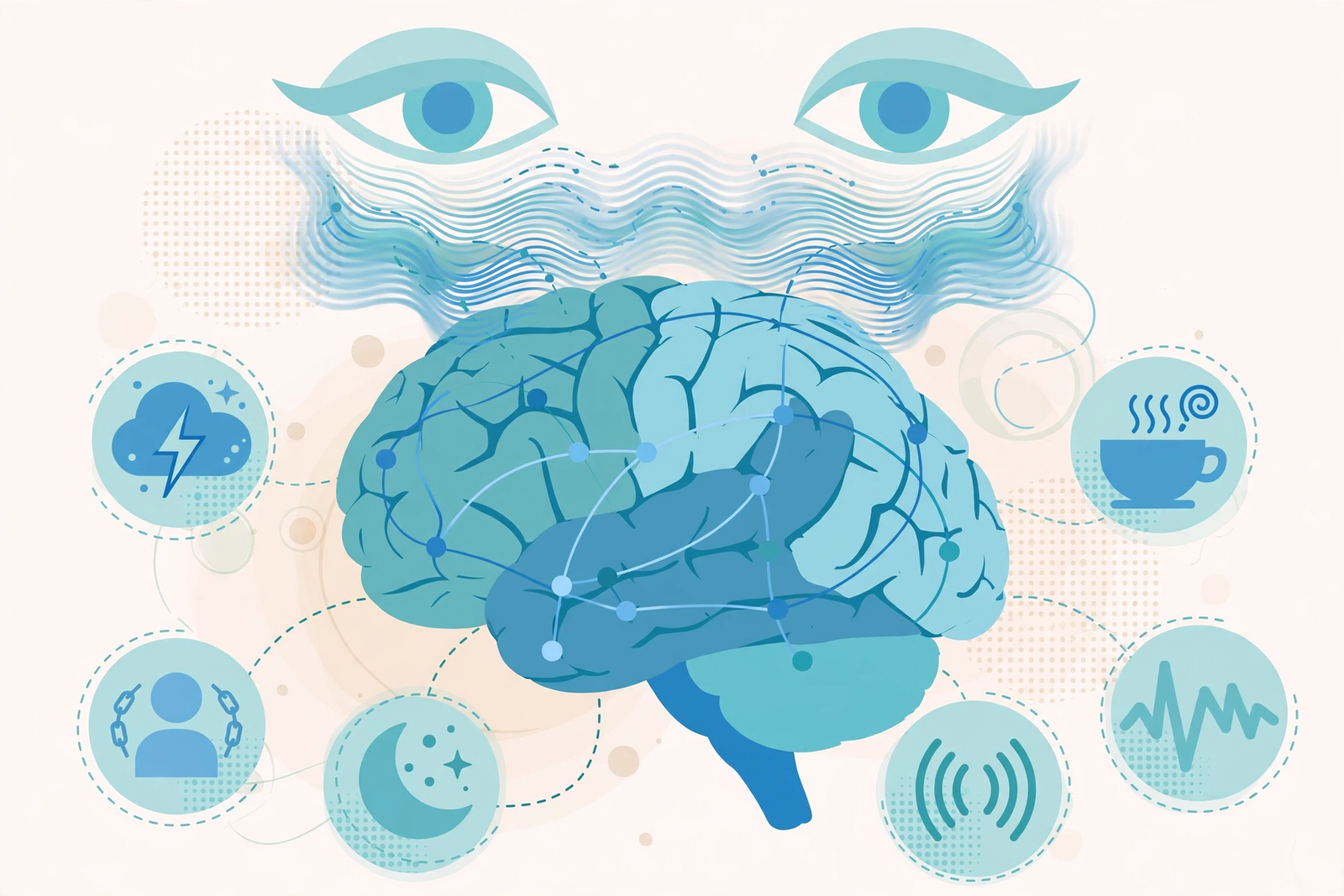
If you’ve been seeing visual snow, afterimages, or halos long after a hallucinogenic experience ended, you may be feeling confused — or even frightened. What you’re experiencing has a name: hallucinogen persisting perception disorder (HPPD), a rare but real condition in which visual disturbances linger or return. Please know you are not imagining this, and you are not alone. In this guide, we’ll walk through the symptoms, causes, and treatment options for HPPD with clarity and compassion.
Key Points
• Hallucinogen persisting perception disorder involves ongoing visual disturbances after hallucinogen use
• Symptoms may include visual snow, afterimages, halos, or altered perception
• The condition can occur even after limited or past substance use
• Treatment focuses on symptom management, therapy, and neurological care
• Early evaluation and emotional support can improve quality of life
Understanding Hallucinogen Persisting Perception Disorder
Hallucinogen persisting perception disorder is a rare neurological and perceptual condition in which visual disturbances linger after hallucinogenic substances have left your system. These symptoms can persist long after the experience itself — sometimes appearing weeks, months, or even years later. If this is happening to you, please know it is a recognized condition, not something you are imagining.
For many people, this experience can feel confusing and distressing — especially when symptoms appear out of nowhere. Although the condition is linked to past substance use, it is not a sign of intoxication or ongoing drug effects. With understanding, reassurance, and the right care, you can learn to manage symptoms and lessen their impact on your daily life.
What Is Hallucinogen Persisting Perception Disorder?
Hallucinogen persisting perception disorder occurs when perceptual changes associated with hallucinogen use continue beyond the expected timeframe of the drug’s effects. These changes are primarily visual and occur while the individual is fully awake and aware.
Unlike temporary flashbacks, the symptoms of this condition are persistent or recurring. Individuals typically recognize that the visual experiences are not real, which distinguishes the disorder from psychotic conditions. The symptoms are neurological in nature and related to altered sensory processing rather than imagination or belief.
Symptoms of Hallucinogen Persisting Perception Disorder
Symptoms vary in type and intensity. They are most commonly visual, though emotional and functional effects may also develop over time.
Visual Symptoms
Individuals may experience visual snow, static-like interference, or shimmering effects across their field of vision. Afterimages, trailing of moving objects, halos around lights, or intensified colors are also frequently reported.
Some people notice geometric patterns, flickering lights, or difficulty adjusting to changes in lighting. These symptoms can be constant or episodic.
Emotional and Psychological Effects
Living with persistent visual disturbances can lead to anxiety, frustration, or fear, especially when the cause is unclear. Worry about permanence or worsening symptoms may increase emotional distress.
In some cases, individuals may develop secondary anxiety or depressive symptoms due to the impact on quality of life.
Functional Impact
Visual disturbances can interfere with reading, driving, working, or focusing on daily tasks. Sensitivity to light and visual overstimulation may cause avoidance of certain environments or activities.
Causes and Risk Factors
The exact cause of hallucinogen persisting perception disorder is not fully understood. It is believed to involve changes in how the brain processes visual information.
Substance-Related Factors
The condition is associated with previous use of hallucinogenic substances. Symptoms can occur after a single exposure or repeated use, and onset may be delayed.
Neurological Sensitivity
Some individuals may have heightened neurological sensitivity, making them more vulnerable to long-lasting perceptual changes. Differences in brain chemistry or sensory processing may play a role.
Psychological and Environmental Factors
Stress, fatigue, anxiety, or lack of sleep may intensify symptoms. High levels of emotional stress can make perceptual disturbances more noticeable or difficult to manage.
Diagnosis and Clinical Evaluation
Diagnosis is based on clinical assessment and symptom history. A healthcare professional will typically rule out other neurological, ophthalmological, or psychiatric conditions that may cause similar visual symptoms.
Clear communication about symptom patterns, triggers, and past substance use helps guide accurate evaluation and care planning.
Treatment Options for Hallucinogen Persisting Perception Disorder
There is no single cure, but treatment focuses on reducing symptom severity, improving coping skills, and supporting emotional well-being.
Medical Management
In some cases, healthcare providers may consider medications to help regulate neurological activity or reduce associated anxiety. Treatment plans are individualized and closely monitored.
Psychotherapy
Therapy can help individuals manage stress, anxiety, and emotional responses related to symptoms. Cognitive-based approaches may support healthier coping and reduce symptom-related fear.
Lifestyle and Coping Strategies
Managing stress, maintaining regular sleep patterns, and avoiding substances that may worsen symptoms are important steps. Visual rest, screen moderation, and relaxation techniques may also be helpful.
Emotional and Social Support
Support from understanding family members, peers, or mental health professionals can reduce isolation. Feeling validated and informed often improves overall adjustment and confidence.
Red Flags That Require Attention
Persistent worsening of visual symptoms, severe anxiety, functional impairment, or emotional distress that interferes with daily life should prompt professional evaluation. Early care can prevent secondary mental health difficulties.
Frequently Asked Questions
Is hallucinogen persisting perception disorder permanent?
For many individuals, symptoms improve over time, especially with appropriate care and stress management.
Can symptoms appear long after substance use?
Yes, symptoms may begin weeks or months after the last exposure.
Is this condition a form of psychosis?
No, individuals remain aware that the visual changes are not real, which distinguishes it from psychotic disorders.
Does everyone who uses hallucinogens develop this condition?
No, the condition is rare and depends on individual vulnerability and other factors.
Key Takeaways
Hallucinogen persisting perception disorder is a real and manageable condition. While the ongoing visual disturbances can feel distressing, many people improve with proper medical guidance, emotional support, and healthy coping strategies. This article is for education only — not medical advice — so please reach out to a qualified healthcare professional for evaluation and care. Seeking help early can bring clarity, reassurance, and a path toward a better quality of life.
