



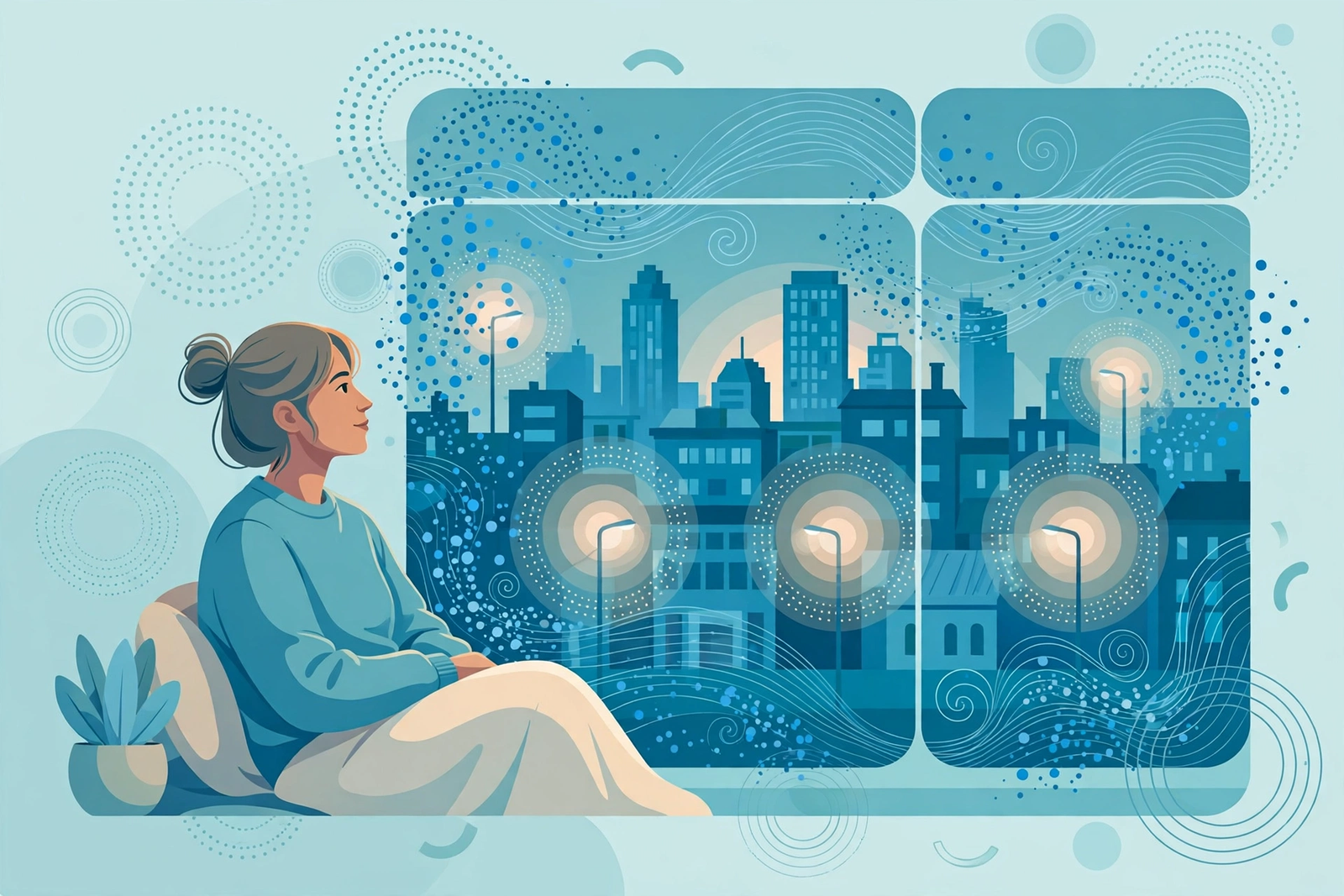
Seeing the world through a layer of static, trails, or afterimages can feel strange and even frightening — especially when no one around you sees what you see. If you live with hallucinogen persisting perception disorder, these visual distortions are likely your most constant companions. Take a deep breath: what you are experiencing has a name, it has an explanation, and you are not alone. In this gentle guide, we will walk through the most common visual symptoms of HPPD — visual snow, afterimages, light sensitivity — and share compassionate ways to cope with them.


Key Points
- Visual snow and afterimages are common symptoms of the disorder
- Perceptual distortions occur despite clear awareness of reality
- Symptoms originate from sensory processing changes in the brain
- Anxiety and focus can intensify visual experiences
- Understanding symptoms reduces fear and distress
Understanding Perceptual Distortions in Hallucinogen Persisting Perception Disorder
Hallucinogen persisting perception disorder is most commonly associated with changes in visual perception. Here is something important to know: these changes are not hallucinations. You know what is real — these are alterations in how your brain processes visual information.
For many people, the symptoms feel unfamiliar and unsettling at first. Learning what these experiences mean can help reduce fear and prevent the spiral of misinterpretation. Knowledge is genuinely soothing here.
Visual Snow and Static-Like Vision
Visual snow looks like tiny flickering dots across your entire visual field — similar to the static on an old television screen. It may be more noticeable in low light or against plain backgrounds like a clear sky or a blank wall.
This symptom is linked to heightened activity in your visual processing pathways, not to eye damage. While it can be persistent, it is not harmful. Many people find it fades into the background once the initial fear settles.
Afterimages and Trailing Effects
Afterimages happen when objects seem to linger briefly after you look away. You might also notice trailing effects — faint streaks following moving objects, like headlights at night.
These experiences come from delayed visual signal processing in the brain. Knowing that your brain — not your eyes — is responsible often brings real reassurance.
Light Sensitivity and Halos
Bright lights may appear unusually intense. Halos, starbursts, or glare around lights are common, especially at night. A sunny day or oncoming headlights can feel overwhelming.
Reducing exposure to harsh lighting and giving your eyes regular rest can lessen the discomfort. Sunglasses, dimmer switches, and softer bulbs are simple allies.
Why These Symptoms Feel So Distressing
Perceptual distortions become distressing when they are unexpected or misunderstood. It is the not-knowing that is often hardest. Fear and constant monitoring can amplify your awareness of symptoms — the more you check, the more you notice.
But here is the hopeful part: once you understand that these experiences are benign, distress often decreases significantly. Understanding truly is half the battle.
Managing Visual Symptoms
Managing these symptoms focuses on two things: reducing emotional reactivity and easing sensory overload. A gentle note: this article is for education and support, not medical advice. If visual symptoms are significantly affecting your life, a qualified professional can help you find the right support.
Gentle lighting, regular visual breaks, stress reduction, and therapy-based coping strategies often reduce the impact of symptoms over time. Be patient — progress is usually gradual.
Frequently Asked Questions
Are these visual symptoms permanent?
Many people experience gradual improvement or reduced intensity over time. The visual system can and does calm down.
Do visual distortions mean brain damage?
No — there is no evidence of structural brain damage. These are processing differences, not injury.
Can focusing on symptoms make them worse?
Yes, hypervigilance often increases symptom awareness. Gently redirecting your attention is a skill worth practicing.
Are these symptoms dangerous?
They are uncomfortable but not harmful. That distinction matters — and it is worth reminding yourself of on hard days.
Key Takeaways
Visual snow, afterimages, and perceptual distortions are core features of hallucinogen persisting perception disorder. While they can feel distressing, they are manageable — and they often improve with understanding, emotional regulation, and supportive care. You deserve compassion as you navigate this, including from yourself. Knowledge reduces fear, and fear reduction supports recovery.
