



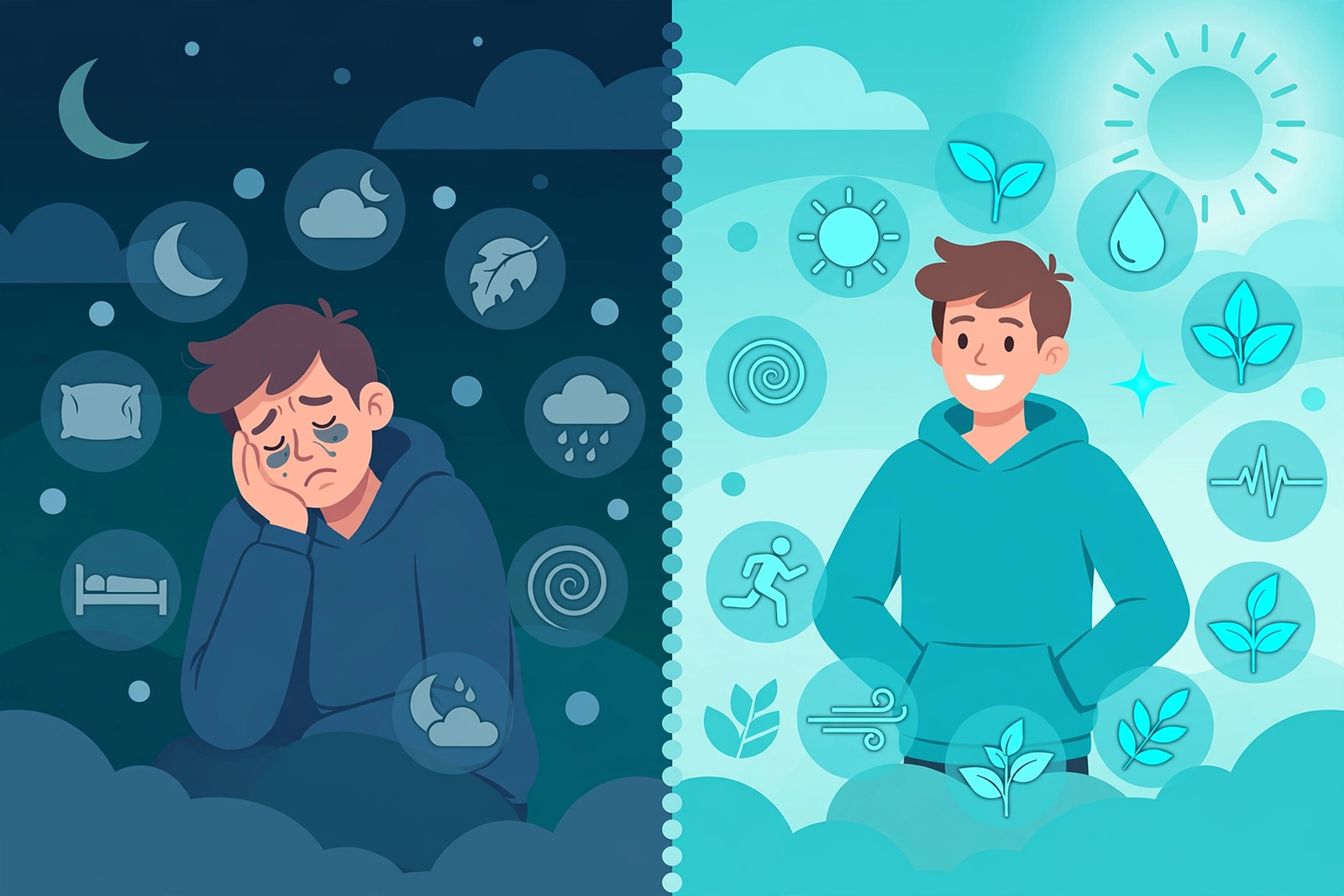
Key Points
- Delayed Sleep Phase Syndrome (DSPS) is a circadian rhythm disorder that leads to late sleep and wake times.
- It can disrupt various aspects of daily life, such as work, school, and social engagements.
- Effective treatment options include sleep scheduling, light exposure, and cognitive behavioral therapy.
- DSPS can cause emotional and physical strain, but proper management can help individuals regain a healthy routine.
- With timely intervention, people with DSPS can improve their sleep patterns and function more effectively.
The Impact of Delayed Sleep Phase Syndrome on Daily Life
Delayed Sleep Phase Syndrome (DSPS) is more than just a sleep disorder – it can have profound effects on a person’s day-to-day activities. This condition, which causes people to fall asleep and wake up much later than conventional times, can make it difficult to keep up with daily responsibilities, especially those that follow a fixed schedule.
Individuals with DSPS often find it hard to maintain regular work or school hours, leading to missed opportunities, academic struggles, and strained relationships. The challenges associated with DSPS are not only about adjusting to a socially acceptable sleep schedule but also about managing the emotional and physical consequences of sleep deprivation and misalignment with the external world.
Symptoms of Delayed Sleep Phase Syndrome
Symptoms of DSPS are specific to this circadian rhythm disorder and can significantly impact personal and professional life:
1. Sleep Disruption:
- Difficulty falling asleep: Individuals with DSPS typically have trouble falling asleep until very late, often in the early morning hours.
- Late wake times: Even after late sleep, waking up early for work or school becomes a constant challenge, leading to feelings of grogginess and fatigue.
2. Behavioral Symptoms:
- Poor academic or work performance: The inability to maintain normal hours often results in missed deadlines, lower productivity, and impaired concentration.
- Social withdrawal: Late sleep patterns can lead to social isolation, as the individual may find it hard to engage with friends and family who operate on a traditional schedule.
3. Physical and Emotional Effects:
- Chronic fatigue: Lack of adequate and restful sleep can result in ongoing exhaustion, even after sleeping long hours.
- Mood swings and irritability: Sleep deprivation can lead to irritability, difficulty managing emotions, and a lack of motivation.
4. Long-Term Health Implications:
- Increased risk of mental health issues: Persistent sleep disruption is linked to the development of depression, anxiety, and other mood disorders.
- Reduced immune function: Chronic lack of sleep can weaken the immune system, making the body more vulnerable to infections.
Causes of Delayed Sleep Phase Syndrome
Several factors contribute to the development of DSPS. While the exact cause may vary from person to person, key factors include:
1. Circadian Rhythm Misalignment:
- Delayed biological clock: DSPS often arises from an inherent delay in the body’s internal clock, causing the person to feel sleepy at a later time than is considered typical by society’s standards.
2. Environmental and Lifestyle Factors:
- Inadequate light exposure: Exposure to artificial light, particularly in the evening, can delay the onset of sleep, making it harder to fall asleep at an appropriate hour.
- Irregular sleep schedules: Frequently changing sleep schedules, such as those experienced by shift workers or college students, can contribute to DSPS.
3. Psychological Factors:
- Chronic stress: Ongoing stress can affect the sleep-wake cycle, contributing to or exacerbating DSPS.
- Social and cultural influences: Pressure from academic or professional commitments, often combined with excessive screen time, can disrupt natural sleep patterns and lead to DSPS.
4. Genetic Factors:
- Family history: DSPS tends to run in families, suggesting that genetic factors may predispose certain individuals to the disorder.
Treatment and Management of Delayed Sleep Phase Syndrome
While DSPS can be challenging, several treatment strategies can help individuals align their sleep-wake cycle with societal norms.
1. Cognitive Behavioral Therapy (CBT) for Insomnia:
- CBT for DSPS: This evidence-based therapy helps individuals identify and alter negative sleep patterns. It focuses on developing better sleep habits and addressing thoughts that may hinder sleep.
2. Light Therapy:
- Morning light exposure: Morning exposure to bright light helps reset the internal body clock and encourages the body to wake up earlier.
- Avoidance of evening light: Reducing exposure to light, especially from screens, in the evening helps prepare the body for sleep.
3. Chronotherapy:
- Gradual shift in sleep schedule: Chronotherapy involves progressively delaying or advancing sleep times until a more acceptable schedule is achieved.
4. Medications:
- Melatonin supplements: This natural hormone can help individuals with DSPS fall asleep earlier, although it should only be used under medical guidance.
- Sleep aids: In some cases, medications may be prescribed for short-term relief to help individuals sleep until their circadian rhythm adjusts.
Red Flags to Watch For
If left untreated, DSPS can cause significant disruptions to an individual’s quality of life. Watch for:
- Chronic sleep deprivation: Ongoing fatigue despite sleeping long hours.
- Decline in social functioning: Withdrawal from social activities and struggles with work or school.
- Mental health decline: Symptoms of anxiety, depression, or irritability that worsen over time.
If you experience these signs, it is important to seek professional guidance to address DSPS before it leads to more severe health problems.
Frequently Asked Questions
How is Delayed Sleep Phase Syndrome diagnosed?
DSPS is usually diagnosed through a thorough sleep history and, in some cases, sleep studies that monitor the individual’s sleep-wake cycle.
Can lifestyle changes alone fix DSPS?
While lifestyle adjustments such as improving sleep hygiene and increasing light exposure can help, therapy and, in some cases, medication may be necessary to achieve long-term improvements.
How long does it take to treat DSPS?
Treatment duration varies, but with consistent effort, most individuals can see improvements within several weeks to a few months.
Key Takeaways
Delayed Sleep Phase Syndrome is a circadian rhythm disorder that disrupts an individual’s sleep-wake cycle, causing difficulty falling asleep and waking up at conventional times. Early diagnosis, behavioral therapies, light therapy, and lifestyle adjustments are crucial in managing DSPS. With appropriate treatment, individuals can align their sleep patterns and improve their overall quality of life.
If you’re struggling with DSPS, consider speaking to a sleep specialist for personalized guidance and treatment options.
