



Key Points
- Recovery from eating disorders is a journey that requires therapy, support, and a commitment to healing.
- Rebuilding a healthy relationship with food involves understanding and addressing the underlying emotional triggers.
- Therapy, particularly Cognitive Behavioral Therapy (CBT), is crucial in breaking the cycle of disordered eating and negative body image.
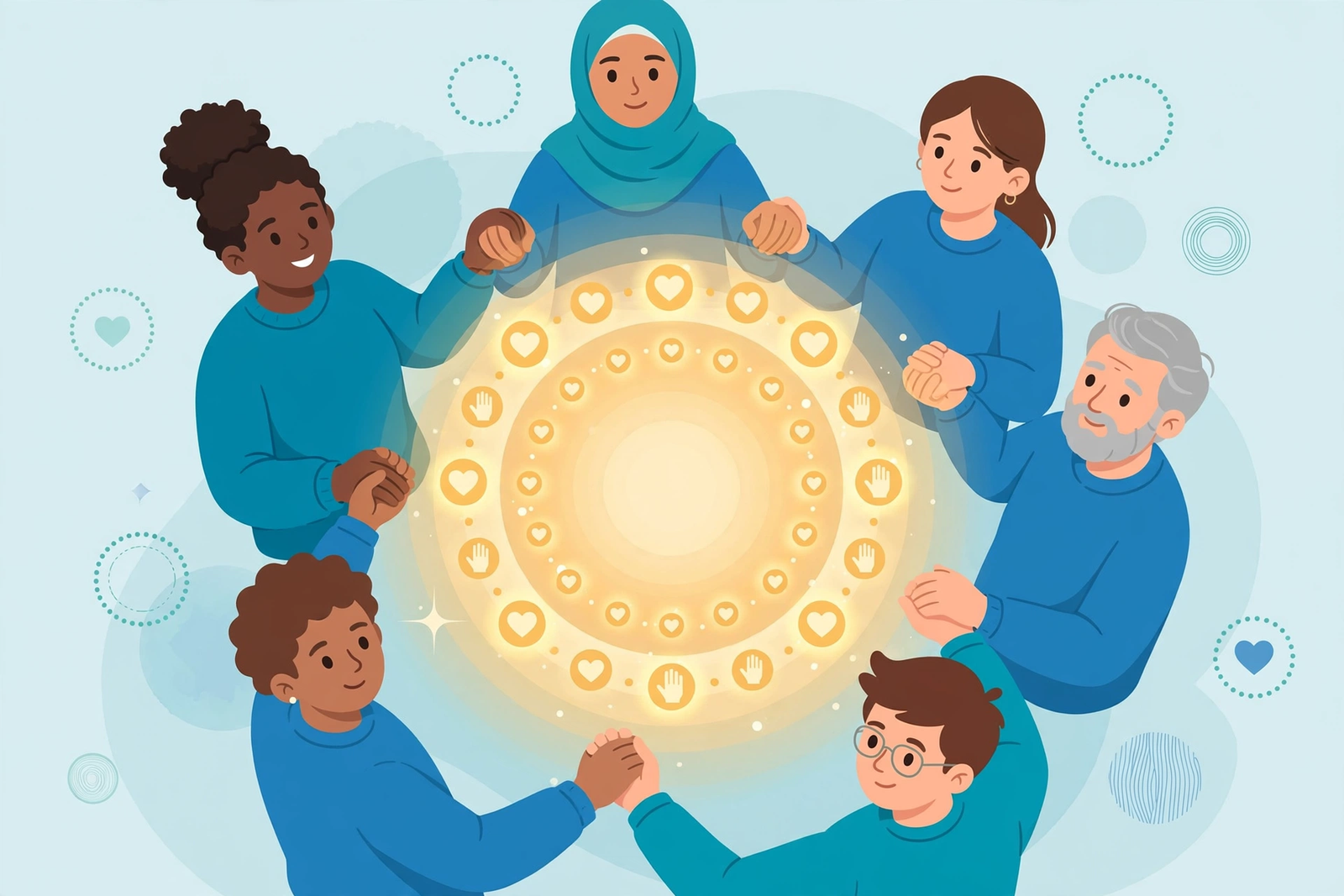
- Support from family, friends, and recovery communities is vital for long-term success.
- Lifestyle changes, including mindfulness and self-care practices, can enhance recovery and promote emotional well-being.
The Journey of Recovery from Eating Disorders
Recovery from eating disorders is not a quick or easy process — and that’s completely okay. It is a gradual journey of healing that unfolds one small, brave step at a time. If you’re on this path, please be gentle with yourself: progress isn’t always a straight line, and every step forward counts.
Rebuilding a healthy relationship with food is at the heart of recovery. It means learning to see food as nourishment — and even enjoyment — again, rather than something to fear or control, and rediscovering trust in your body’s signals along the way.
In this article, we’ll walk through the recovery process together, exploring practical insights and compassionate strategies to help you rebuild a healthier, kinder relationship with food.
Steps to Rebuild a Healthy Relationship with Food
Rebuilding a healthy relationship with food involves understanding the emotional connection to eating habits, challenging negative thoughts, and developing new, healthier behaviors. This process often requires both professional treatment and personal commitment to change.
1. Therapy and Cognitive Behavioral Therapy (CBT):
Therapy is a cornerstone of eating disorder recovery. Cognitive Behavioral Therapy (CBT) is the most widely used therapeutic approach for individuals with eating disorders. CBT helps individuals identify the negative thought patterns and beliefs that contribute to unhealthy eating behaviors and body image issues.
In CBT, individuals learn how to:
- Challenge distorted thoughts about food and body image.
- Reframe negative self-talk and replace it with healthier, more balanced thinking.
- Develop practical strategies to cope with stress, anxiety, and other emotions without resorting to disordered eating.
Therapy also helps individuals identify emotional triggers for their eating behaviors, whether those triggers are related to anxiety, depression, trauma, or societal pressures. Through therapy, individuals gain a deeper understanding of how their emotional health impacts their relationship with food.
2. Mindful Eating:
Mindful eating involves paying attention to the sensory experience of eating—savoring the taste, texture, and aroma of food, as well as listening to the body’s hunger and fullness cues. Mindful eating helps individuals:
- Develop a more intuitive approach to food, rather than focusing on calorie counting or guilt.
- Enjoy meals without judgment or self-criticism.
- Focus on the nourishment food provides, rather than using it as a means to control weight or manage emotions.
Incorporating mindfulness into eating practices can reduce anxiety around food and help individuals become more connected to their body’s natural needs.
3. Restoring Nutritional Balance:
Eating disorders often lead to nutritional deficiencies, as individuals restrict their intake or engage in unhealthy eating patterns. Restoring proper nutrition is essential for both physical and mental recovery. Working with a registered dietitian can help individuals:
- Learn how to create balanced, nourishing meals that support physical and emotional health.
- Overcome food-related fears, such as the fear of gaining weight or eating “forbidden” foods.
- Develop a healthy eating plan that includes a variety of foods to ensure all nutrient needs are met.
Proper nutrition also helps individuals regain physical strength and restore normal metabolism, which is crucial for emotional stability and well-being.
The Role of Support Systems in Recovery
Recovery from an eating disorder is not something that can be done alone. Support from family, friends, and recovery communities plays a critical role in providing encouragement, accountability, and emotional strength.
1. Family Support:
Family members are often an essential part of the recovery process. A supportive family can:
- Offer understanding and empathy, helping the individual feel less isolated in their struggles.
- Participate in family-based therapy (FBT), which is especially beneficial for children and adolescents, to improve communication and support.
- Help create a nurturing and positive environment that fosters healing and self-compassion.
It is also important for family members to educate themselves about eating disorders so they can provide informed, non-judgmental support.
2. Support Groups:
Support groups, whether in-person or online, provide a safe space for individuals in recovery to share their experiences, challenges, and progress. These groups offer:
- A sense of community and solidarity, reducing feelings of isolation.
- Peer support and encouragement from others who understand the difficulties of eating disorder recovery.
- A place to share coping strategies, receive advice, and celebrate successes together.
Support groups are particularly helpful for long-term recovery, providing a network of individuals who can offer emotional support and prevent relapse.
3. Friends and Social Support:
Friends who are understanding and supportive of the recovery process can also make a big difference. They can:
- Offer a safe, non-judgmental space to talk about struggles or challenges.
- Encourage participation in social activities, particularly those that involve eating in a relaxed and enjoyable way.
- Help create a positive, healthy environment that promotes healing.
Lifestyle Changes to Enhance Recovery
In addition to therapy and support, making certain lifestyle changes can significantly enhance the recovery process. These changes help promote emotional well-being, reduce stress, and encourage a healthier relationship with food and the body.
1. Exercise for Enjoyment, Not Weight Loss:
Exercise can be a healthy part of recovery when approached with the right mindset. The goal should be to enjoy physical activity for its benefits, such as improving mood and promoting physical health, rather than using exercise as a way to burn calories or control weight.
Activities such as yoga, walking, swimming, or dancing can help improve both physical and mental well-being without the pressure of achieving a specific body type or weight goal.
2. Stress Management and Self-Care:
Stress can be a major trigger for eating disorders. Incorporating stress management techniques into daily life can help individuals cope with triggers and prevent relapse. Some effective stress management practices include:
- Meditation and mindfulness
- Deep breathing exercises
- Journaling or creative expression
- Spending time in nature or engaging in relaxing activities
Prioritizing self-care through adequate rest, healthy hobbies, and emotional reflection is essential for maintaining long-term recovery.
Red Flags to Watch For
While recovery is an ongoing process, it is important to stay vigilant for any signs of relapse or unhealthy behaviors returning. Some red flags include:
- A sudden preoccupation with food, weight, or body image
- Extreme restriction or binge eating behaviors
- Increased anxiety or depression related to food or body image
- Avoidance of social situations involving meals or food
If any of these signs arise, it is important to seek professional help and support.
Key Takeaways
Recovery from eating disorders requires a multifaceted approach that includes therapy, nutritional counseling, emotional support, and lifestyle changes. Rebuilding a healthy relationship with food involves addressing the underlying psychological triggers and learning to view food as nourishment rather than control. Support systems, including family, friends, and support groups, play a critical role in providing encouragement and accountability throughout the recovery process. With early intervention, commitment, and a comprehensive recovery plan, individuals can heal and lead fulfilling, balanced lives.
A gentle reminder: this article is for education and encouragement only — it’s not a substitute for professional medical advice, diagnosis, or treatment. Recovery is deeply personal, and a qualified mental health professional can help guide your unique journey. If you’d like support along the way, contact me today for compassionate, personalized guidance on navigating recovery from eating disorders and building a healthier relationship with food.
