



Key Points
- A healthy diet plays a crucial role in managing Alzheimer’s disease and supporting brain health.
- Certain foods, such as those rich in antioxidants, omega-3 fatty acids, and vitamins, can help protect the brain and reduce inflammation.
- Diets like the Mediterranean diet and the MIND diet have been shown to support cognitive function and reduce Alzheimer’s risk.
- Caregivers can help individuals with Alzheimer’s by providing balanced meals, ensuring hydration, and addressing eating difficulties.
Alzheimer’s disease is a progressive neurodegenerative condition that affects memory, cognition, and behavior. While there is no cure for Alzheimer’s disease, research suggests that a healthy diet can have a significant impact on brain health, cognitive function, and overall well-being. The foods we eat can either promote or protect against cognitive decline, making nutrition an important aspect of Alzheimer’s care.
In this article, we will explore the role of nutrition and diet in Alzheimer’s disease, the types of foods that support brain health, and how caregivers can ensure that individuals with Alzheimer’s maintain a balanced and brain-healthy diet.
The Role of Nutrition in Alzheimer’s Disease
Diet plays a vital role in managing Alzheimer’s disease, as it can help reduce inflammation, support cognitive function, and prevent other health complications that can exacerbate the disease. A well-balanced diet can help individuals with Alzheimer’s maintain physical and mental health for as long as possible.
1. Reducing Inflammation and Oxidative Stress
Inflammation and oxidative stress are key factors in the development and progression of Alzheimer’s disease. Certain foods can help reduce inflammation and neutralize harmful free radicals, thereby protecting the brain from further damage.
- What to expect: An anti-inflammatory diet can help reduce brain inflammation, promote brain cell health, and improve cognitive function.
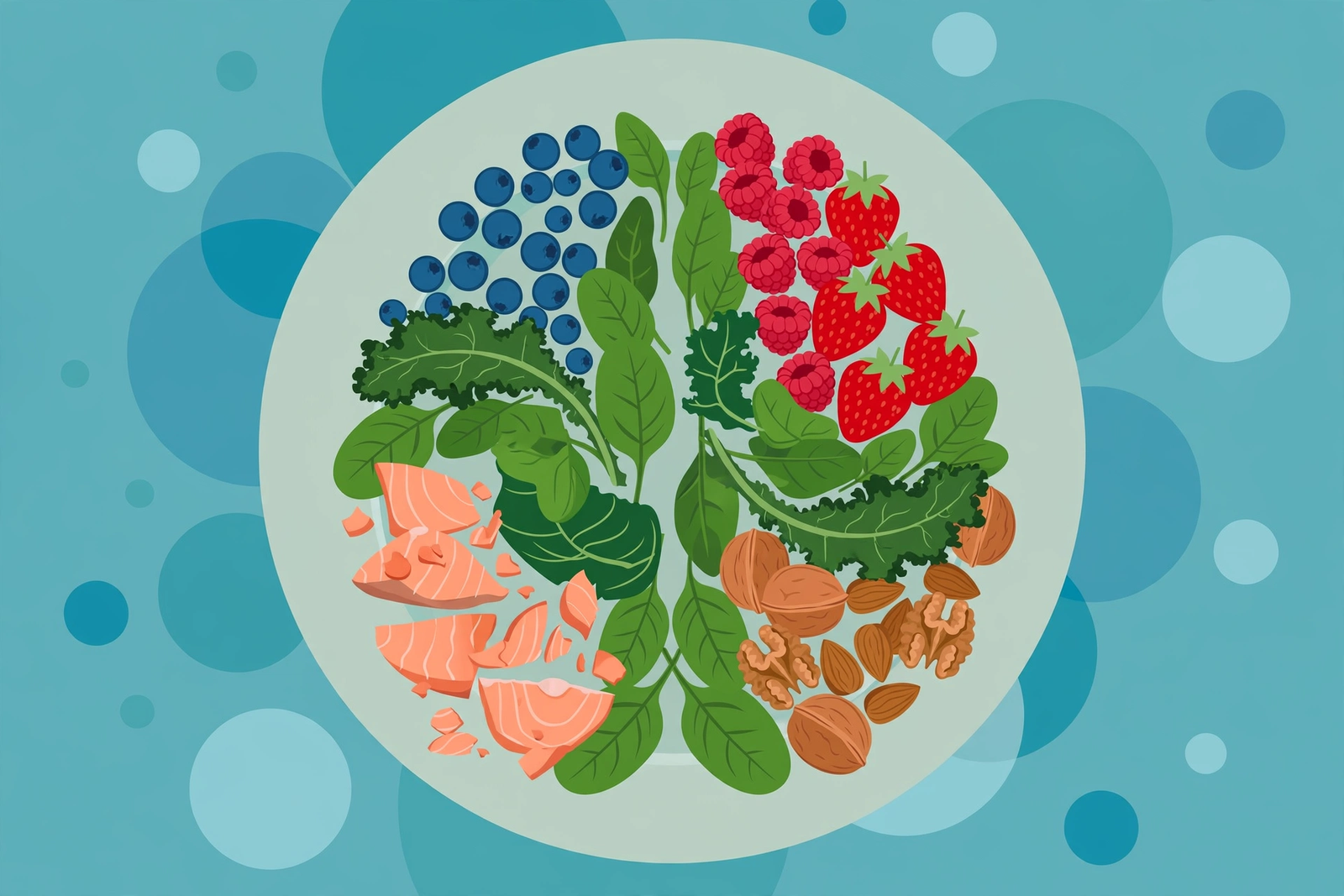
- Brain-healthy foods: Foods rich in antioxidants, such as berries, leafy greens, and colorful fruits and vegetables, can help protect the brain from oxidative damage. Omega-3 fatty acids found in fatty fish (e.g., salmon, mackerel) and nuts can also help reduce inflammation and support brain health.
2. Supporting Brain Function and Cognitive Health
A diet rich in nutrients that support brain function can help improve memory, concentration, and overall cognitive health. Certain nutrients are particularly important for maintaining brain function and reducing the risk of cognitive decline.
- What to expect: Nutrients such as vitamin E, vitamin B12, and folate play key roles in supporting brain health and reducing the risk of cognitive decline.
- Brain-boosting nutrients: Foods that are high in vitamin E (e.g., nuts, seeds, and vegetable oils) and B vitamins (e.g., leafy greens, legumes, and fortified cereals) can help protect brain cells and improve cognitive performance.
3. Preventing Heart Disease and Stroke
Alzheimer’s disease is closely linked to cardiovascular health, as heart disease and stroke can increase the risk of developing Alzheimer’s. A diet that supports heart health can also help reduce the risk of Alzheimer’s disease.
- What to expect: A heart-healthy diet can reduce the risk of hypertension, high cholesterol, and other factors that contribute to heart disease and stroke, which are known risk factors for Alzheimer’s disease.
- Heart-healthy foods: The Mediterranean diet and the DASH diet (Dietary Approaches to Stop Hypertension) are both heart-healthy diets that emphasize whole grains, lean proteins, healthy fats, and plenty of fruits and vegetables. These diets can help lower cholesterol, reduce blood pressure, and support brain health.
Recommended Diets for Alzheimer’s Disease
Certain diets have been shown to support cognitive health and reduce the risk of Alzheimer’s disease. These diets focus on nutrient-dense foods that promote brain health, reduce inflammation, and support overall well-being.
1. The Mediterranean Diet
The Mediterranean diet is based on the traditional eating patterns of countries bordering the Mediterranean Sea. It emphasizes whole foods, healthy fats, and plant-based ingredients, and has been associated with improved cognitive function and a reduced risk of Alzheimer’s.
- What it includes: The Mediterranean diet includes plenty of fruits, vegetables, whole grains, legumes, nuts, seeds, and olive oil. It also encourages moderate consumption of fish, lean proteins, and dairy products, while limiting red meat and processed foods.
- Benefits: Studies have shown that the Mediterranean diet can help reduce the risk of cognitive decline, improve brain function, and protect against Alzheimer’s disease.
2. The MIND Diet
The MIND diet (Mediterranean-DASH Diet Intervention for Neurodegenerative Delay) is a hybrid of the Mediterranean diet and the DASH diet, specifically designed to promote brain health and reduce the risk of Alzheimer’s disease.
- What it includes: The MIND diet focuses on 10 brain-healthy food groups, including leafy green vegetables, berries, nuts, beans, whole grains, fish, poultry, olive oil, and wine (in moderation). It also recommends limiting red meat, butter, cheese, and sweets.
- Benefits: Research has shown that following the MIND diet can help slow cognitive decline and lower the risk of Alzheimer’s disease, even in individuals who are genetically predisposed to the condition.
3. The DASH Diet
The DASH (Dietary Approaches to Stop Hypertension) diet is designed to reduce high blood pressure, which is a risk factor for Alzheimer’s disease. The DASH diet emphasizes fruits, vegetables, whole grains, lean proteins, and low-fat dairy, while limiting sodium, saturated fats, and added sugars.
- What it includes: The DASH diet encourages high intake of fruits, vegetables, whole grains, nuts, and seeds, as well as lean proteins such as chicken, fish, and beans. It also emphasizes low-fat dairy and limits red meat, processed foods, and sugary snacks.
- Benefits: The DASH diet is linked to improved heart health, which, in turn, can reduce the risk of Alzheimer’s disease and other cognitive disorders.
Foods to Include in the Alzheimer’s Diet
Certain foods are particularly beneficial for individuals with Alzheimer’s disease due to their brain-boosting nutrients, antioxidants, and healthy fats. Caregivers can help individuals with Alzheimer’s maintain a balanced diet by including the following foods:
1. Leafy Green Vegetables
Leafy greens, such as spinach, kale, and collard greens, are rich in vitamins, minerals, and antioxidants that promote brain health and cognitive function. These vegetables are also high in vitamin E and folate, both of which are important for brain health.
2. Berries
Berries, particularly blueberries, are rich in antioxidants, which help reduce oxidative stress and protect the brain from damage. Berries also contain anthocyanins, which have been shown to improve memory and cognitive function.
3. Fatty Fish
Fatty fish, such as salmon, mackerel, sardines, and trout, are rich in omega-3 fatty acids, which are essential for brain health. Omega-3s help reduce inflammation and improve cognitive function, and they may also help protect against Alzheimer’s disease.
4. Nuts and Seeds
Nuts, such as walnuts, almonds, and pistachios, are rich in healthy fats, antioxidants, and vitamin E, all of which support brain health. Walnuts, in particular, contain high levels of omega-3 fatty acids, which can help protect the brain.
5. Olive Oil
Olive oil, especially extra virgin olive oil, is a staple of the Mediterranean diet and is rich in monounsaturated fats and antioxidants. Olive oil can help reduce inflammation and oxidative stress, promoting brain health and protecting against Alzheimer’s disease.
6. Whole Grains
Whole grains, such as oats, brown rice, quinoa, and whole wheat, provide essential nutrients, including fiber, B vitamins, and antioxidants. These grains help support overall brain function and improve cardiovascular health, which is linked to a reduced risk of Alzheimer’s disease.
Tips for Caregivers: Ensuring a Nutritious Diet
As Alzheimer’s disease progresses, individuals may experience difficulty with eating, preparing meals, or maintaining a healthy diet. Caregivers can help by ensuring that individuals with Alzheimer’s receive the necessary nutrients and maintain a balanced diet.
1. Simplify Meal Preparation
Prepare easy-to-eat, nutritious meals that require minimal effort. Consider cooking meals in advance and freezing portions for convenience.
2. Use Adaptive Equipment
For individuals who have difficulty using utensils or feeding themselves, consider using adaptive equipment, such as weighted utensils, cup holders, or plate guards, to make mealtime easier.
3. Encourage Small, Frequent Meals
Individuals with Alzheimer’s may have a reduced appetite or difficulty eating large meals. Offer smaller, more frequent meals throughout the day to ensure adequate nutrition.
4. Address Eating Challenges
If the individual has difficulty swallowing, consider modifying food textures or offering softer foods. Always consult with a healthcare provider or speech therapist for guidance on safe swallowing practices.
5. Monitor Hydration
Dehydration can worsen symptoms of Alzheimer’s disease and cause confusion or agitation. Encourage regular fluid intake, especially water, and offer hydrating foods such as soups, fruits, and vegetables.
Key Takeaways
- Nutrition plays a critical role in managing Alzheimer’s disease by supporting brain health, reducing inflammation, and enhancing cognitive function.
- Diets such as the Mediterranean diet, the MIND diet, and the DASH diet have been shown to improve cognitive function and reduce the risk of Alzheimer’s disease.
- Brain-healthy foods such as leafy green vegetables, berries, fatty fish, nuts, seeds, and olive oil can help protect the brain and slow cognitive decline.
- Caregivers can help ensure a nutritious diet by simplifying meal preparation, encouraging small meals, and addressing eating difficulties.
If you are caring for someone with Alzheimer’s disease and need guidance on nutrition and diet, contact us today for resources, meal plans, and expert advice.
