



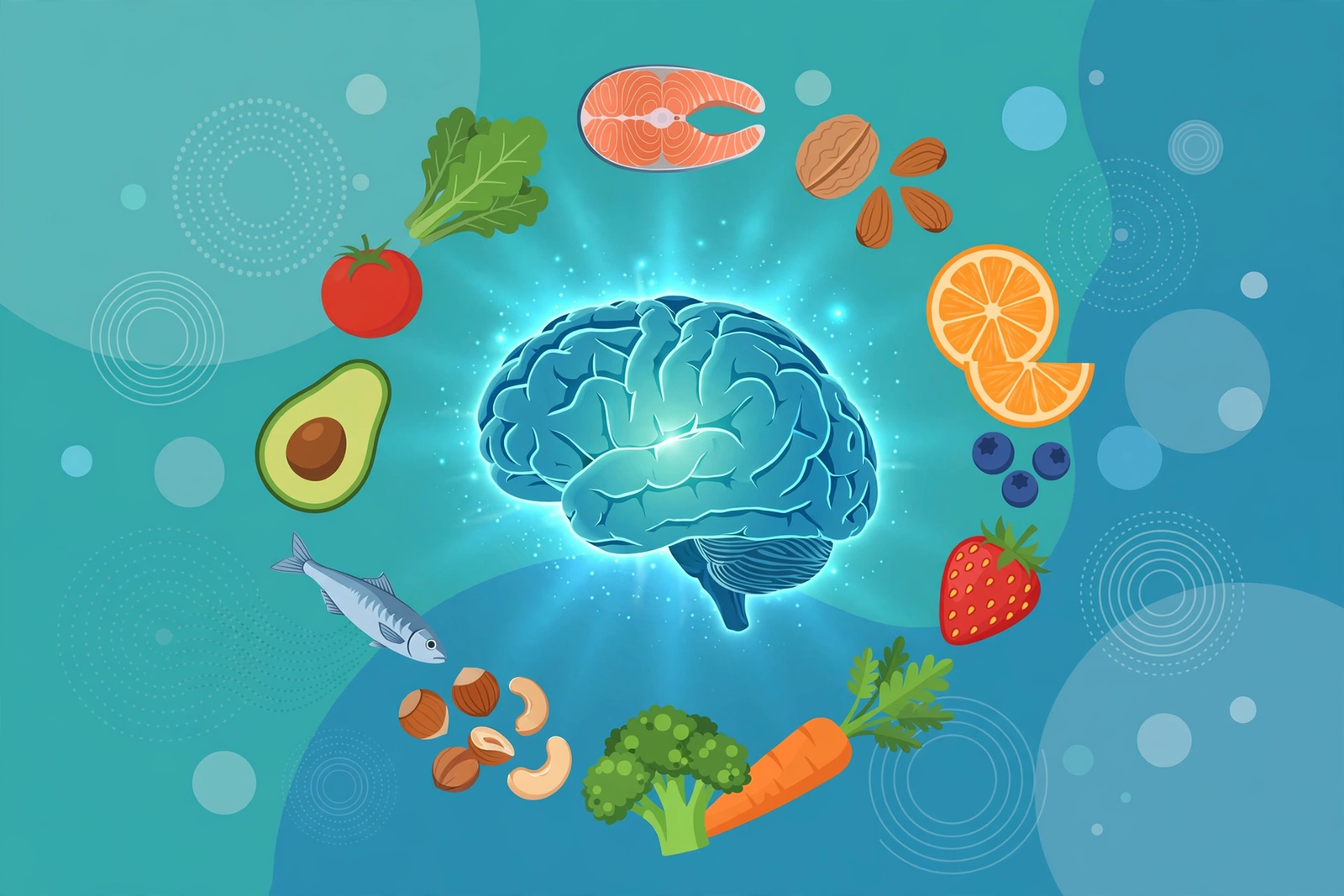
Key Points
- Nutrition plays a key role in managing Alzheimer’s disease, as certain foods can support brain health and reduce cognitive decline.
- A brain-healthy diet rich in antioxidants, healthy fats, and essential nutrients may help slow the progression of Alzheimer’s and improve overall well-being.
- The Mediterranean and DASH diets have been shown to support cognitive function and reduce the risk of Alzheimer’s disease.
- Proper nutrition also supports the overall health of individuals with Alzheimer’s, improving energy, mood, and physical function.
Alzheimer’s disease is a progressive neurodegenerative condition that primarily affects memory, thinking, and behavior. While there is no cure for Alzheimer’s disease, research suggests that a healthy diet can play an important role in managing the disease, slowing cognitive decline, and improving the quality of life for individuals living with Alzheimer’s. Nutrition is an essential aspect of Alzheimer’s care, as it directly impacts brain function, emotional well-being, and physical health.
In this article, we will explore the role of nutrition in managing Alzheimer’s disease, including brain-healthy foods, dietary patterns, and key nutrients that support cognitive function and overall health. We will also discuss the importance of a balanced diet in maintaining energy levels, mood, and physical abilities in individuals with Alzheimer’s.
How Nutrition Affects Alzheimer’s Disease
The brain requires specific nutrients to function optimally, and poor nutrition can contribute to cognitive decline. In Alzheimer’s disease, the brain undergoes changes that impair its ability to process and store information. A well-balanced diet, rich in brain-healthy nutrients, can help support cognitive function, reduce inflammation, and promote overall brain health.
1. Reducing Inflammation and Oxidative Stress
Chronic inflammation and oxidative stress are key factors in the progression of Alzheimer’s disease. Inflammation in the brain can lead to neuronal damage, while oxidative stress can impair brain cells and contribute to cognitive decline. A diet rich in antioxidants and anti-inflammatory foods can help combat these processes and support brain health.
- Antioxidants: Foods rich in antioxidants, such as berries, dark leafy greens, and colorful vegetables, help protect brain cells from oxidative damage. Antioxidants neutralize free radicals, which are unstable molecules that can cause damage to cells and tissues.
- Anti-inflammatory foods: Omega-3 fatty acids, found in fatty fish like salmon and sardines, as well as in flaxseeds and walnuts, have anti-inflammatory properties that help reduce inflammation in the brain. Inflammation is a key factor in the development and progression of Alzheimer’s disease.
2. Supporting Cognitive Function with Brain-Healthy Nutrients
Certain nutrients are essential for brain health and cognitive function. A diet rich in these nutrients can help protect the brain, improve memory, and support overall cognitive performance.
- Omega-3 fatty acids: Omega-3 fatty acids, particularly DHA (docosahexaenoic acid), are critical for brain function. DHA is a primary structural component of brain cells and is involved in maintaining the integrity of cell membranes. Consuming omega-3s from sources such as fish, chia seeds, and walnuts can support brain health and slow cognitive decline.
- B vitamins: B vitamins, particularly B6, B12, and folate, play a role in maintaining brain health and cognitive function. These vitamins help regulate homocysteine levels, which, when elevated, have been associated with an increased risk of Alzheimer’s disease. Foods rich in B vitamins include leafy greens, beans, whole grains, and fortified cereals.
- Vitamin D: Vitamin D is important for brain function and may play a role in preventing cognitive decline. Low levels of vitamin D have been linked to an increased risk of developing Alzheimer’s disease. Vitamin D can be obtained from sunlight, fortified foods, and fatty fish like salmon and mackerel.
3. Supporting Energy and Mood with Proper Nutrition
Proper nutrition also plays a crucial role in maintaining energy levels, mood, and overall well-being. Individuals with Alzheimer’s disease may experience fluctuations in mood, energy, and appetite, which can affect their ability to function and enjoy daily activities.
- Complex carbohydrates: Complex carbohydrates, found in whole grains, legumes, and vegetables, provide a steady source of energy for the brain and body. Unlike simple sugars, which can cause blood sugar spikes and crashes, complex carbohydrates help maintain stable energy levels throughout the day.
- Protein: Protein is essential for maintaining muscle mass, supporting the immune system, and promoting overall health. Lean proteins such as poultry, fish, and plant-based sources like beans and lentils are important for maintaining physical function and energy in individuals with Alzheimer’s disease.
- Healthy fats: Healthy fats, particularly those found in avocados, olive oil, and nuts, are essential for brain health and emotional well-being. These fats help maintain the structure of brain cells and support the production of neurotransmitters that regulate mood and cognition.
Brain-Healthy Diets for Alzheimer’s Disease
Research has shown that certain dietary patterns are particularly beneficial for brain health and may help slow the progression of Alzheimer’s disease. Two of the most well-researched diets for cognitive function are the Mediterranean Diet and the DASH Diet (Dietary Approaches to Stop Hypertension). These diets emphasize the consumption of whole foods, healthy fats, and nutrient-dense vegetables and fruits.
1. Mediterranean Diet
The Mediterranean diet is a plant-based diet that emphasizes fruits, vegetables, whole grains, legumes, and healthy fats, particularly olive oil. It also includes moderate amounts of fish, poultry, and dairy, with limited red meat and processed foods. Research suggests that the Mediterranean diet can help reduce the risk of Alzheimer’s disease and other forms of dementia.
- Brain-healthy components: The Mediterranean diet is rich in antioxidants, omega-3 fatty acids, and anti-inflammatory foods, all of which support brain health and cognitive function. The high intake of vegetables, fruits, and legumes provides essential vitamins and minerals, while the emphasis on fish and olive oil offers healthy fats that protect brain cells.
- Health benefits: Studies have shown that individuals who follow the Mediterranean diet have a lower risk of developing Alzheimer’s disease and experience slower cognitive decline compared to those who follow a standard Western diet.
2. DASH Diet (Dietary Approaches to Stop Hypertension)
The DASH diet was originally designed to help lower blood pressure, but research has shown that it may also support brain health and reduce the risk of Alzheimer’s disease. The DASH diet emphasizes fruits, vegetables, whole grains, lean proteins, and low-fat dairy, while limiting saturated fats, red meat, and sweets.
- Brain-healthy components: The DASH diet is rich in essential nutrients, including B vitamins, antioxidants, and healthy fats, which support cognitive function and brain health. The focus on nutrient-dense foods helps reduce inflammation and oxidative stress, both of which contribute to Alzheimer’s disease.
- Health benefits: Research has shown that the DASH diet can improve memory and cognitive function in older adults and may help reduce the risk of Alzheimer’s disease by promoting heart health and reducing inflammation.
3. MIND Diet (The Mediterranean-DASH Diet Intervention for Neurodegenerative Delay)
The MIND diet is a hybrid of the Mediterranean and DASH diets, specifically designed to promote brain health and prevent neurodegenerative diseases such as Alzheimer’s. The MIND diet emphasizes foods that are rich in antioxidants, healthy fats, and nutrients that support brain function.
- Key components: The MIND diet encourages the consumption of leafy green vegetables, berries, nuts, whole grains, fish, olive oil, and poultry, while limiting red meat, butter, cheese, and fried foods.
- Health benefits: Studies have shown that the MIND diet may reduce the risk of Alzheimer’s disease and slow cognitive decline by promoting the consumption of brain-healthy foods and reducing inflammation and oxidative stress.
Practical Tips for Improving Nutrition in Alzheimer’s Disease
Incorporating brain-healthy foods into the diet is an important part of managing Alzheimer’s disease. Here are some practical tips for improving nutrition:
1. Focus on Plant-Based Foods
Increase the intake of vegetables, fruits, whole grains, and legumes. These foods provide essential vitamins, minerals, and antioxidants that support brain health.
2. Choose Healthy Fats
Incorporate healthy fats into the diet, such as those found in olive oil, avocados, nuts, and fatty fish like salmon and mackerel. These fats help maintain brain cell structure and promote cognitive function.
3. Limit Processed Foods
Avoid processed foods, sugary snacks, and refined carbohydrates, as they can contribute to inflammation and cognitive decline. Focus on whole, nutrient-dense foods to support overall health and brain function.
4. Stay Hydrated
Proper hydration is essential for brain health. Ensure that individuals with Alzheimer’s disease drink enough water throughout the day to prevent dehydration, which can negatively impact cognitive function and mood.
5. Consider Supplements
In some cases, supplements may be beneficial for individuals with Alzheimer’s disease, especially for nutrients like omega-3 fatty acids, vitamin D, and B vitamins. Always consult a healthcare provider before starting any supplements.
Key Takeaways
- Nutrition plays a vital role in managing Alzheimer’s disease by supporting brain health, reducing inflammation, and slowing cognitive decline.
- Brain-healthy diets, such as the Mediterranean diet, DASH diet, and MIND diet, can help promote cognitive function and reduce the risk of Alzheimer’s disease.
- Healthy fats, antioxidants, omega-3 fatty acids, and B vitamins are essential nutrients for supporting brain health and improving overall well-being.
- Proper hydration and a balanced diet are crucial for maintaining energy levels, mood, and physical function in individuals with Alzheimer’s disease.
If you or a loved one is living with Alzheimer’s disease and would like to learn more about brain-healthy diets and nutrition strategies, contact us today for guidance on improving nutrition and supporting cognitive health.
