



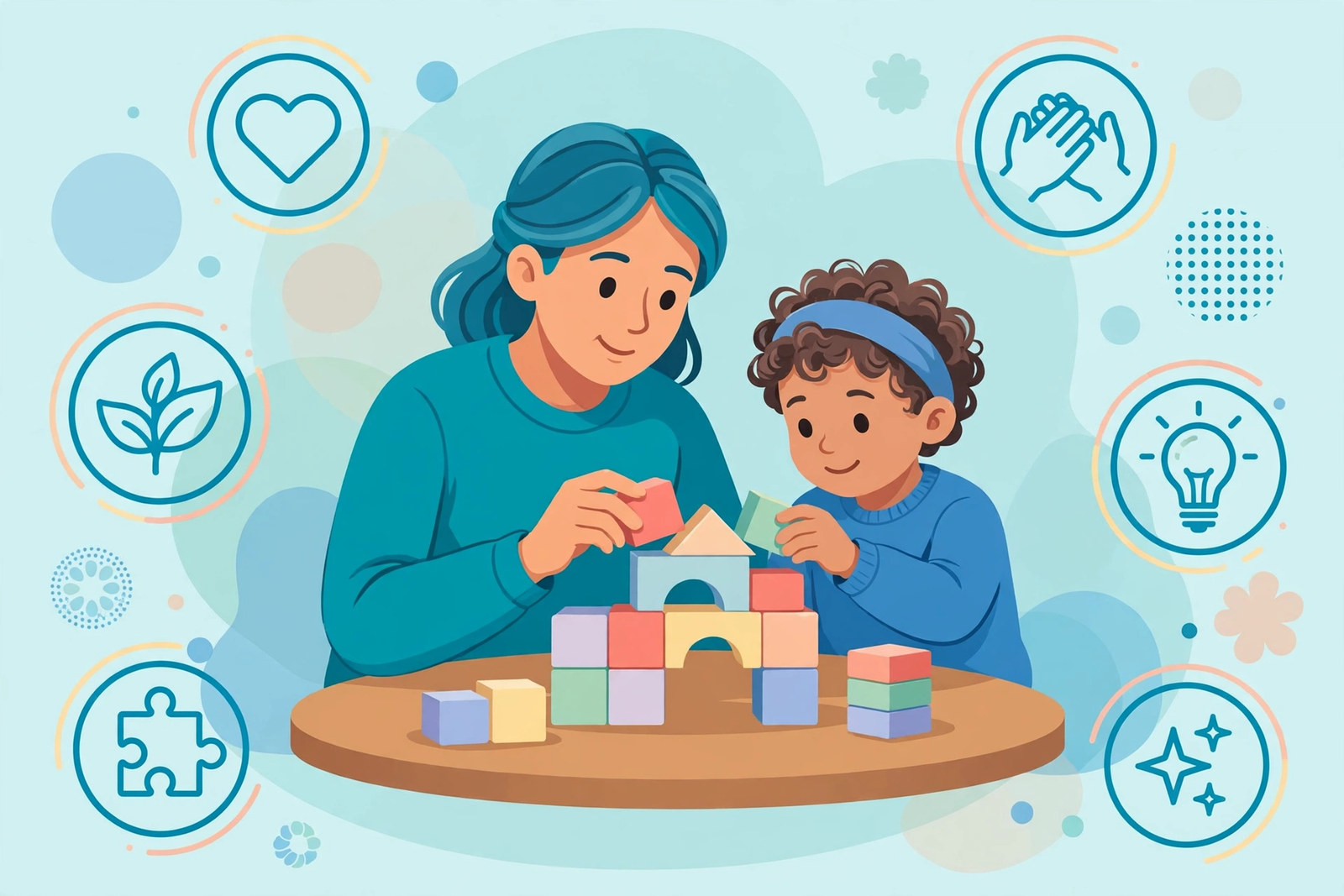
Key Points
- ADHD in children requires specific parenting strategies to help them succeed.
- Consistent routines, clear communication, and positive reinforcement are crucial.
- Emotional regulation strategies can help children manage their feelings.
- Working with teachers and other caregivers creates a strong support system.
- Patience and flexibility are key in raising children with ADHD.
Parenting a child with ADHD can feel overwhelming at times — but with the right strategies, it’s possible to create a supportive, nurturing environment where your child can truly thrive. ADHD presents unique challenges, such as difficulty staying focused, managing emotions, and following through with tasks. These parenting strategies for children with ADHD are designed to help you understand your child’s needs and make a real difference in their success at school and home.
Building a Structured Routine
One of the most important strategies for parenting a child with ADHD is creating a structured routine. Children with ADHD thrive in an environment where they know what to expect. Clear routines help them feel secure and reduce feelings of anxiety or confusion that can arise from unexpected changes.
Here are some tips to establish a consistent routine:
- Set Clear Expectations:
Clearly define what needs to be done at different times of the day. Having set times for activities such as waking up, eating meals, doing homework, and going to bed helps children with ADHD stay on track. - Use Visual Schedules:
Visual schedules can help children with ADHD keep track of their day. Pictures, charts, or color-coded calendars can make it easier for children to follow routines and understand their tasks. - Provide Time for Breaks:
Children with ADHD often struggle with extended periods of focus. Be sure to include regular breaks in their schedule. These breaks can help them reset and regain focus before returning to tasks. - Be Consistent:
Consistency is key. Try to follow the same routine every day so your child knows what to expect. This predictability helps reduce stress and increases the chances of success.
Positive Reinforcement and Encouragement
Children with ADHD often respond well to positive reinforcement. By focusing on their strengths and praising their efforts, parents can boost their child’s self-esteem and motivate them to continue trying, even when they face challenges.
Here’s how to incorporate positive reinforcement:
- Praise Effort, Not Just Results:
Instead of only praising the final outcome, praise the effort your child puts into their tasks. For example, praise them for staying focused on their homework, even if they didn’t finish everything perfectly. This builds their confidence and reinforces positive behavior. - Use Reward Systems:
Consider implementing a reward system, such as a sticker chart or token system, where your child earns rewards for completing tasks. This can motivate them to stay on task and build positive habits. - Be Specific with Praise:
Be specific about what you’re praising. Instead of saying, “Good job,” say, “I’m really proud of how you focused on your homework today.” This helps children understand exactly what behavior you’re encouraging.
Emotional Regulation and Coping Strategies
Children with ADHD often have difficulty managing their emotions, leading to outbursts, frustration, and impulsivity. Emotional regulation is an essential skill that can be learned with the right strategies.
Here are some strategies for helping your child regulate their emotions:
- Teach Deep Breathing Techniques:
Deep breathing exercises can help calm the nervous system and reduce stress. Teach your child to take slow, deep breaths when they feel upset or frustrated. You can even make it a fun game, such as “pretend to blow up a balloon” while taking a deep breath in and out. - Use a Calm-Down Corner:
Designate a quiet space in your home where your child can go to calm down when they feel overwhelmed. This space can include soft pillows, calming music, or sensory toys that help them self-regulate. - Validate Their Emotions:
Instead of dismissing your child’s feelings, validate them. For example, you could say, “I see that you’re frustrated. It’s okay to feel that way, but let’s talk about what we can do to help you feel better.” Validating their emotions helps children feel understood and supported. - Set Clear Consequences:
Establishing clear and consistent consequences for inappropriate behavior is crucial. When a child acts out impulsively, they need to understand the result of their actions. However, ensure the consequences are fair and age-appropriate to avoid further frustration.
Collaborating with Teachers and Other Caregivers
Parenting a child with ADHD is not a solo effort—it’s essential to work with teachers, caregivers, and other professionals to ensure your child has the support they need both at home and at school.
- Share Information with Teachers:
Inform your child’s teachers about their ADHD diagnosis and any strategies that work at home. Teachers can provide additional support in the classroom by offering accommodations like extra time on assignments or breaks during lessons. A collaborative approach ensures a consistent strategy across environments. - Join Support Groups:
Parenting a child with ADHD can be challenging, so consider joining a support group for parents of children with ADHD. Sharing experiences and learning from others can be incredibly valuable, and it can help you feel less isolated. - Seek Professional Help When Needed:
Sometimes, additional professional support may be necessary. Occupational therapists, speech therapists, or child psychologists can offer targeted therapies to help your child develop coping skills and address any underlying challenges they may face.
Patience and Flexibility Are Key
One of the most important things to remember when parenting a child with ADHD is that patience and flexibility are essential. Children with ADHD may struggle with tasks that other children find easy, but this does not mean they are incapable. With the right support, children with ADHD can learn to manage their symptoms and succeed in many areas of life.
It’s important to remember that progress may be slow, and setbacks will occur. However, with consistent strategies and a compassionate approach, children with ADHD can overcome obstacles and develop the skills they need to thrive.
Red Flags to Watch For
While ADHD presents unique challenges, it’s essential to be mindful of other signs that may indicate additional issues. If your child is frequently exhibiting behaviors such as:
- Consistently avoiding tasks
- Extreme emotional reactions that seem out of proportion
- Difficulty maintaining friendships or experiencing significant social difficulties
- A persistent decline in academic performance despite effort
It may be time to consult with a healthcare professional to explore further support options.
Frequently Asked Questions
How can I help my child stay focused at home?
Establish clear routines, provide breaks, and reduce distractions. Praise their efforts and provide structure to help them stay on track.
How can I help my child regulate their emotions?
Teach calming techniques such as deep breathing, use a calm-down corner, and validate their emotions.
What if my child’s ADHD symptoms are not improving?
If your child’s symptoms are not improving, it’s important to consult with a specialist to adjust the strategies or explore additional support options.
Should I seek professional help for my child?
If your child is struggling despite your efforts, seeking professional help can provide additional tools and strategies tailored to their specific needs.
Key Takeaways
Parenting a child with ADHD requires patience, understanding, and strategies tailored to your child’s unique needs. By establishing a structured routine, using positive reinforcement, and teaching emotional regulation, you can help your child navigate challenges and build a strong foundation for success. Remember: with the right support, children with ADHD can thrive academically, socially, and emotionally. A gentle note: this article is for educational purposes only and isn’t medical advice — if you’re struggling despite your best efforts, please consult a pediatrician, child psychologist, or family therapist for personalized guidance.
Contact me today for personalized ADHD guidance and support.
