



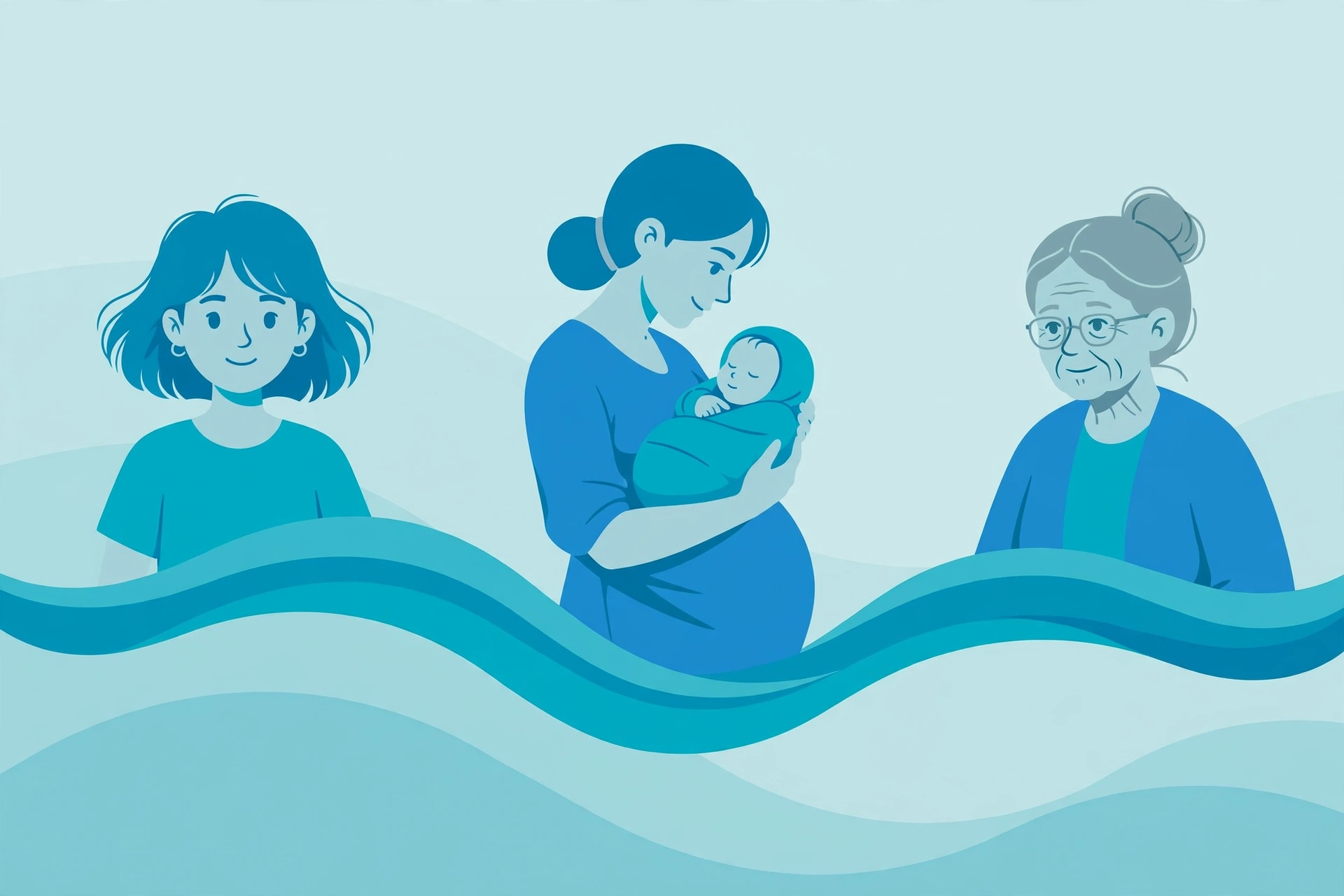
Many women notice their mood shifting with their menstrual cycle, during pregnancy, or around menopause, yet few are told that an entire branch of psychiatry studies exactly this connection. Reproductive psychiatry focuses on how hormonal changes and reproductive life stages affect mental health, from adolescence through menopause. Here, our editorial team explains what reproductive psychiatrists do, which conditions they treat, and when their expertise could help you.
Key Points
- Reproductive psychiatry is the specialty devoted to mental health across puberty, the menstrual cycle, pregnancy, postpartum, and menopause.
- Hormonal shifts can trigger or worsen depression, anxiety, obsessive-compulsive symptoms, bipolar episodes, or psychosis.
- These specialists balance effective treatment with the safety of the baby during pregnancy and breastfeeding.
- Care is team-based, combining therapy, carefully chosen medication, and coordination with obstetric providers.
- In Pakistan the specialty is still emerging, but perinatal mental health support is growing through teaching hospitals and telehealth.
What Is Reproductive Psychiatry?
Reproductive psychiatry, sometimes called perinatal psychiatry, is a young subspecialty, roughly thirty years old, devoted to mental health aspects unique to women from adolescence through menopause. It rests on two pillars: how hormonal shifts influence mood and behavior, and how a mother’s psychiatric illness and medications affect her child during pregnancy and breastfeeding.
The field grew from long neglect: women’s complaints were dismissed as hysteria until 1980, and the standard postpartum depression screening tool arrived only in 1987. The first fellowship launched in Chicago in 2002; today about sixteen such programs exist in the United States, alongside professional bodies like the International Marcé Society for Perinatal Mental Health and a published national training curriculum.
How It Differs from General Psychiatry
General psychiatrists treat all mental illness but often receive little training on prescribing during pregnancy and lactation, and many admit feeling unequipped when a pregnant patient arrives. Reproductive psychiatrists fill this gap, weighing the risks of untreated illness against medication exposure using current evidence, and coordinating directly with obstetric providers. Because untreated depression itself endangers mother and baby, the goal is always the safest effective plan for both, decided together with the woman.
The Hormone-Mood Connection Across a Woman’s Life
Estrogen and progesterone influence serotonin and dopamine, the brain chemicals behind mood, sleep, and stress response. When these hormones swing sharply, vulnerable women can develop real psychiatric symptoms, not character flaws.
Puberty and the Menstrual Cycle
Some women experience far more than mild premenstrual irritability. Premenstrual dysphoric disorder, or PMDD, affects an estimated three to eight percent of reproductive-age women, causing marked depression, anxiety, or anger in the week or two before menstruation that lifts after bleeding begins. Women with existing depression, anxiety, or bipolar disorder may also notice symptoms reliably worsening before each period, a pattern worth tracking and reporting to a doctor.
Pregnancy
Pregnancy’s hormonal surges, combined with sleep disruption and major life change, make depression and anxiety during pregnancy common and commonly missed, since fatigue and worry are dismissed as normal. Fertility treatment adds cycles of hope and disappointment that can trigger significant distress even in women with no psychiatric history.
The Postpartum Period
After delivery, estrogen and progesterone plummet within days while the mother faces severe sleep deprivation. The World Health Organization reports that nearly one in five women experiences a mental health condition during pregnancy or the first postpartum year. Beyond postpartum depression come postpartum anxiety, postpartum obsessive-compulsive disorder with frightening intrusive thoughts, and rare but urgent postpartum psychosis. Mental health conditions are the number one complication of childbirth.
Perimenopause and Menopause
Fluctuating and then declining estrogen around menopause can bring new or worsening depression and anxiety, broken sleep, and cognitive fog. This second major inflection point, after the postpartum period, remains under-recognized, and many women are surprised to learn their midlife low mood has a treatable hormonal dimension.
How Treatment Works
Conditions Commonly Treated
Reproductive psychiatrists treat perinatal mood and anxiety disorders, meaning depression, anxiety, OCD, and psychosis arising during pregnancy or postpartum; premenstrual dysphoric disorder; mood symptoms linked to hormonal contraception or fertility treatment; and bipolar disorder, which needs careful medication planning across pregnancy and the high-risk postpartum window. They also support grief, trauma, and PTSD after miscarriage, stillbirth, or traumatic birth, and help with depression, anxiety, and sleep problems in perimenopause. Preconception planning, reviewing history and medications before pregnancy, is core, since a prior postpartum depression carries a high recurrence risk.
Medication, Chosen with Pregnancy and Breastfeeding in Mind
SSRIs remain first-line for moderate to severe perinatal depression, taking four to six weeks for full effect, and growing research identifies the medications with the most reassuring safety profiles in pregnancy and lactation. In 2023, zuranolone, a fourteen-day oral course easing severe postpartum depression within days, was approved as a shorter alternative. One absolute rule: never stop psychiatric medication suddenly on learning you are pregnant, since abrupt discontinuation risks relapse. Any change should be planned with a doctor.
Therapy and Team-Based Care
Cognitive behavioral and interpersonal therapies are central, and many women recover with therapy alone when symptoms are mild to moderate. Specialists build a mental health village: the psychiatrist or therapist communicating directly with the obstetrician, midwife, or GP so everyone follows one plan. Practical supports matter enormously too, including protected sleep, childcare, reasonable parental leave, and peer support from other mothers, with a trusted family member often welcomed into the process.
Reproductive Psychiatry in Pakistan
The named specialty is still in its infancy in Pakistan, yet the need is immense: early marriage, closely spaced pregnancies, and intense pressure around childbearing shape women’s mental health, while stigma keeps suffering silent. Joint-family dynamics cut both ways; a supportive elder is a lifeline, while criticism or blame deepens distress. The traditional forty-day postpartum rest, chilla, protects recovery when the household genuinely helps but isolates when it does not. Women seeking help can ask their obstetrician or GP for a psychiatrist with a perinatal interest, approach a teaching hospital psychiatry department, or explore expanding telepsychiatry services. Seeking care is fully compatible with faith and family values.
When to Seek Specialized Care
Consider it when planning pregnancy while on psychiatric medication, when severe premenstrual mood symptoms disrupt life, or when depression or anxiety in pregnancy or postpartum lasts beyond two weeks or impairs bonding. A history of postpartum depression deserves planning before the next pregnancy, and a persistent midlife mood decline merits evaluation too. Seek urgent help for thoughts of harming yourself or your baby, hallucinations, or extreme behavior after childbirth, which may signal postpartum psychosis, a medical emergency.
Frequently Asked Questions
How does a reproductive psychiatrist differ from a regular psychiatrist?
A general psychiatrist treats mental illness across the lifespan; a reproductive psychiatrist adds expertise in how menstrual cycles, pregnancy, postpartum, breastfeeding, and menopause interact with mental health. They specialize in medication safety during pregnancy and lactation and routinely coordinate with obstetric providers, making treatment safer and more effective when concerns are tied to a reproductive stage.
Is it safe to take antidepressants while pregnant or breastfeeding?
There is no one-size answer, which is why specialist guidance matters. Many commonly used antidepressants have reassuring safety data in pregnancy, and untreated depression itself carries risks for mother and baby. A reproductive psychiatrist reviews your history and the latest evidence, then helps you choose the option with the best balance of benefit and safety, including medicines considered compatible with breastfeeding.
What is PMDD and how is it different from PMS?
PMS involves mild physical and emotional symptoms before menstruation that most women find manageable. PMDD is far more severe: marked depression, anxiety, anger, or hopelessness appearing before menstruation, seriously impairing work or relationships, then resolving afterward. PMDD is a diagnosable disorder with effective treatments, so it deserves medical attention rather than silent endurance.
Can postpartum depression begin months after delivery?
Yes. Perinatal depression can start during pregnancy or at any point in the first year after birth. Some women feel well initially and decline months later as sleep deprivation accumulates or support fades. Persistent low mood, anxiety, or detachment from the baby within that first year deserves evaluation, no matter how much time has passed.
Are there reproductive psychiatrists in Pakistan?
Dedicated clinics remain rare, but perinatal mental health care is growing. Start with the psychiatry department of a major teaching hospital, a psychiatrist recommended by your obstetrician, or a telepsychiatry service. What matters most is a psychiatrist willing to coordinate with your maternity provider and discuss medication safety openly, which captures the essence of reproductive psychiatric care.
Key Takeaways
- Reproductive psychiatry connects hormones, reproductive life stages, and mental health, from puberty through menopause.
- PMDD, perinatal depression and anxiety, and menopause-related mood changes are medical issues with effective treatments.
- Medication decisions in pregnancy and breastfeeding balance the risks of untreated illness against medication exposure, ideally with a specialist.
- Team-based care, with therapists, obstetric providers, family support, and practical help like protected sleep, gives the best outcomes.
- In Pakistan, begin by asking your obstetrician or a teaching hospital psychiatry department about perinatal mental health support, in person or via telehealth.
