



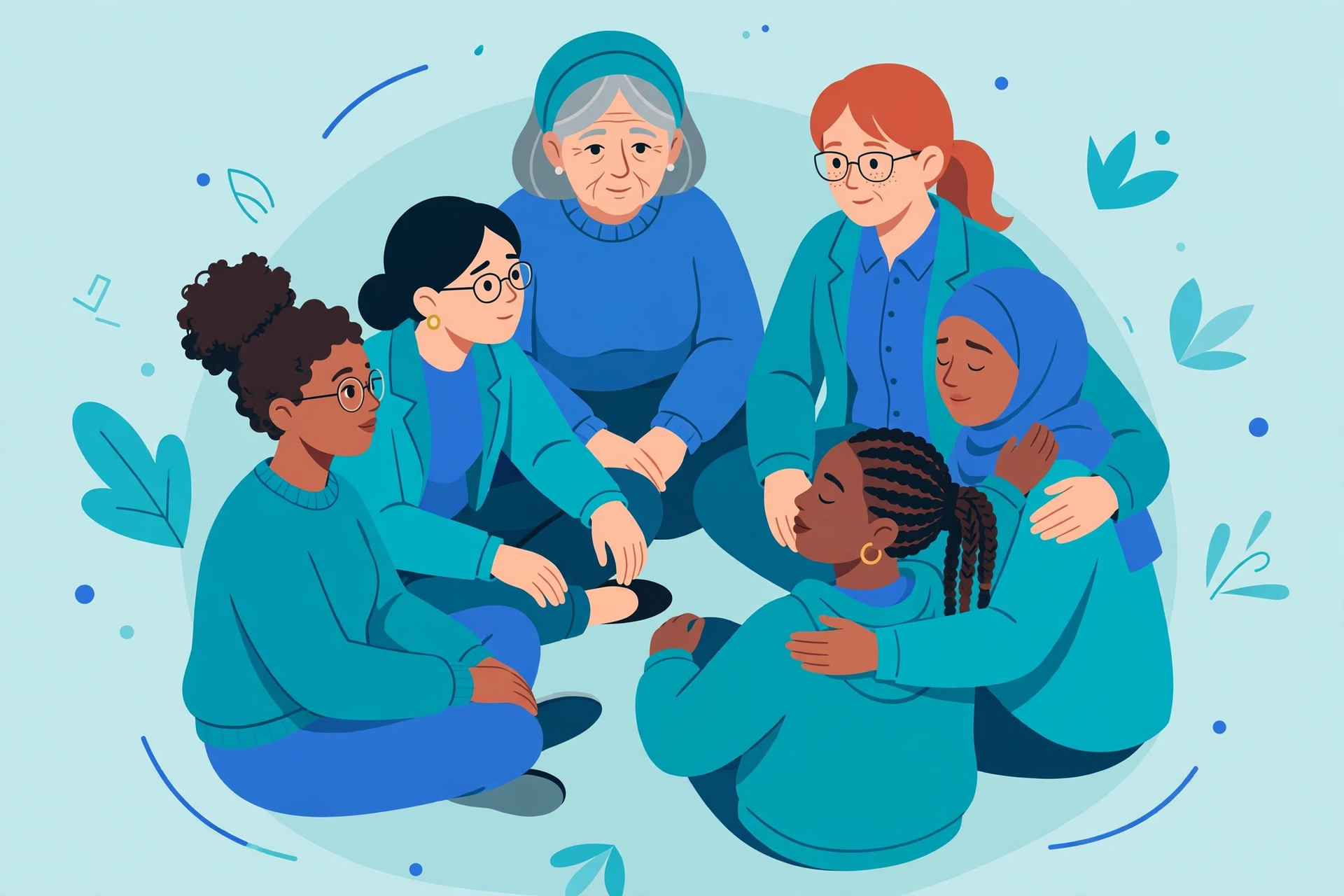
If you are a woman living with depression, anxiety, or another mental health condition, you are far from alone. Roughly one in five women experiences a diagnosable mental health condition in a single year, and many more struggle quietly without ever receiving a diagnosis. Women’s minds and bodies face distinct pressures, from hormonal shifts to caregiving loads to higher exposure to trauma, which is why mental issues in women deserve their own honest conversation. Here is what the most common conditions look like, why women are more vulnerable, and how to get help.
Key Points
- Women are about twice as likely as men to experience depression and anxiety disorders in their lifetimes.
- Hormonal milestones such as puberty, menstruation, pregnancy, postpartum, and menopause can trigger or worsen symptoms.
- Trauma, domestic violence, and heavy caregiving burdens are among the strongest risk factors for mental issues in women.
- Therapy, medication, support groups, and lifestyle changes are effective, often in combination.
- In South Asia, stigma, cost, and limited services keep many women from care, so recognizing warning signs in loved ones can save lives.
Why Mental Issues in Women Need Their Own Conversation
Mental health conditions affect everyone, but not equally. More than one in five women experienced a mental health condition in the past year, per the United States Office on Women’s Health, and the World Health Organization reports depressive disorders account for close to forty-two percent of neuropsychiatric disability among women, versus about twenty-nine percent among men. Some conditions, such as premenstrual dysphoric disorder and postpartum depression, occur only in women, while anxiety, depression, post-traumatic stress disorder, and eating disorders are substantially more common in women than men.
Symptoms can also present differently. Women frequently experience depression alongside anxiety, and in South Asian contexts emotional distress often surfaces as physical complaints, persistent headaches, body aches, or digestive problems, leading to years of medical tests while the underlying condition goes unrecognized. Understanding these patterns is the first step toward the right help.
The Most Common Conditions in Women
Depression
Depression is the most common mental health condition in women, who develop it at roughly twice the rate of men. Beyond persistent sadness come overwhelming fatigue, lost interest in once-enjoyed people and activities, appetite and sleep changes, poor concentration, and feelings of worthlessness or guilt. Because many women keep caring for families while depressed, their suffering is easily overlooked until it becomes severe.
Anxiety Disorders
Women are nearly twice as likely as men to experience an anxiety disorder, and panic disorder is about twice as common in women. Generalized anxiety brings persistent, hard-to-control worry with restlessness, irritability, muscle tension, disturbed sleep, and physical symptoms like a racing heart or stomach upset. Anxiety frequently co-occurs with depression, and each intensifies the other.
Postpartum Depression and Perinatal Conditions
Nearly one in five women experiences a mental health condition during pregnancy or the first postpartum year, per the World Health Organization. Postpartum depression goes far beyond the baby blues, bringing persistent sadness, detachment from the baby, overwhelming guilt, and exhaustion that sleep does not fix. Postpartum anxiety and postpartum obsessive-compulsive disorder, with frightening intrusive thoughts about harm to the baby, are also common, while rare postpartum psychosis requires emergency care.
Bipolar Disorder and PTSD
Bipolar disorder affects the sexes more equally, but hormones give it a female pattern: episodes often worsen around menstruation, during pregnancy, and most sharply postpartum, when relapse risk peaks. Women with bipolar disorder need treatment plans that anticipate these windows, ideally made before pregnancy. Women are also about twice as likely as men to develop PTSD after trauma, reflecting higher exposure to sexual assault, domestic violence, childhood abuse, and traumatic childbirth, yet many suffer silently for years because speaking about abuse carries shame.
Eating Disorders and ADHD
Women account for roughly eighty-five to ninety-five percent of anorexia and bulimia cases, driven by relentless body-image pressure, and eating disorders carry the highest mortality of any psychiatric condition. ADHD, meanwhile, is frequently missed in girls and women because it appears as inattentiveness and chronic overwhelm rather than hyperactivity; many women are diagnosed only in adulthood after years of being labeled lazy or anxious, with hormonal fluctuations further affecting their symptoms.
Why Women Are More Vulnerable: Key Risk Factors
No single cause explains the gender gap; biology and social conditions combine. Hormonal fluctuations across puberty, the menstrual cycle, pregnancy, postpartum, and menopause create repeated windows of vulnerability. About one in three women worldwide experiences physical or sexual violence, and domestic violence, sexual harassment, and childhood abuse are among the strongest predictors of depression, anxiety, and PTSD. Women also carry a disproportionate caregiving load, an estimated sixty-five percent of caregivers are women, often alongside paid work and without respite, while economic inequality and financial dependence add chronic stress.
In Pakistan and across South Asia, further pressures weigh heavily: intense expectations around marriage and childbearing, stigma toward infertility, scrutiny within joint households, and restricted mobility can leave women feeling trapped. Seeking help may feel impossible when a woman needs a family member’s permission or money to see a doctor. Naming these realities is about understanding why support must reach women where they actually live.
Warning Signs and Treatment That Works
When to Seek Help
Seek professional help when distressing thoughts and emotions persist beyond about two weeks, interfere with work, household responsibilities, or relationships, or bring behavioral changes such as withdrawal or irritability. Physical symptoms without a clear medical cause, like chronic pain or fatigue, deserve a mental health screen too. After childbirth, watch for difficulty bonding, inability to sleep even when the baby sleeps, or scary intrusive thoughts. Any thoughts of suicide, self-harm, or harming a baby require immediate help: reach a trusted person and emergency care without delay.
Treatment and Support Options
Mental health conditions in women are highly treatable. Cognitive behavioral therapy reframes harmful thought patterns, interpersonal therapy addresses relationship and role stresses, and trauma-focused approaches help PTSD. Medications including antidepressants, anti-anxiety medicines, and mood stabilizers are often combined with therapy for moderate to severe illness. Support groups for new mothers, anxiety, or grief reduce isolating loneliness, while regular sleep, movement, and balanced nutrition support recovery alongside professional care. In Pakistan, start by speaking with a trusted GP, lady doctor, or obstetrician for referral to a psychiatrist; teaching hospital psychiatry departments offer low-cost consultations, and telehealth services now provide private, discreet care even from smaller towns.
Frequently Asked Questions
Are mental health issues really more common in women, or do women just seek help more?
Both play a role, but large population studies confirm genuinely higher rates of depression and anxiety in women even after accounting for help-seeking. Hormonal fluctuations contribute biologically, as do higher exposure to trauma, violence, and caregiving stress. The gap is real, not merely a reporting artifact, and it deserves targeted attention and resources.
Can hormonal birth control affect my mood?
Some women are sensitive to hormonal contraception and notice new or worsening depression, anxiety, or irritability after starting it, while others feel no change. If your mood shifted clearly after beginning or changing a method, track the pattern for two to three cycles and discuss alternatives with your doctor rather than stopping abruptly without a backup plan.
What is the difference between baby blues and postpartum depression?
The baby blues affect many new mothers in the first two weeks: tearfulness and mood swings that resolve on their own without preventing baby care. Postpartum depression lasts beyond two weeks and is more severe, with persistent sadness, detachment from the baby, intense guilt, and impaired functioning. When in doubt, ask a professional, because early treatment protects both mother and child.
How can I help a female relative who refuses treatment?
Begin with gentle, non-judgmental conversation focused on what you have noticed and your care for her, not labels or diagnoses. Offer practical help such as accompanying her to a doctor or arranging childcare, and consider involving a trusted elder or family physician she respects. Avoid ultimatums or shaming, which deepen resistance; many women accept help after several caring conversations.
Is therapy available and affordable in Pakistan?
Access is growing but uneven. Government teaching hospitals offer psychiatric consultations at low cost, private professionals practice in all major cities, and telehealth platforms now connect women anywhere in the country with licensed professionals, often with the privacy many women need. Fees vary widely, so ask charges upfront. The biggest barrier is often stigma rather than availability, and that is slowly easing.
Key Takeaways
- Mental issues in women are common, with depression, anxiety, perinatal conditions, PTSD, eating disorders, and ADHD among the most frequent.
- Hormones, trauma, caregiving burdens, and social pressures combine to create vulnerability at certain life stages.
- Warning signs include persistent low mood or worry, withdrawal, functional decline, unexplained physical symptoms, and any thoughts of self-harm.
- Therapy, medication, support groups, and lifestyle changes are effective, and most women recover well with proper care.
- In Pakistan, a trusted GP, lady doctor, or obstetrician, or a telehealth service, can open the door to confidential, affordable help.
