



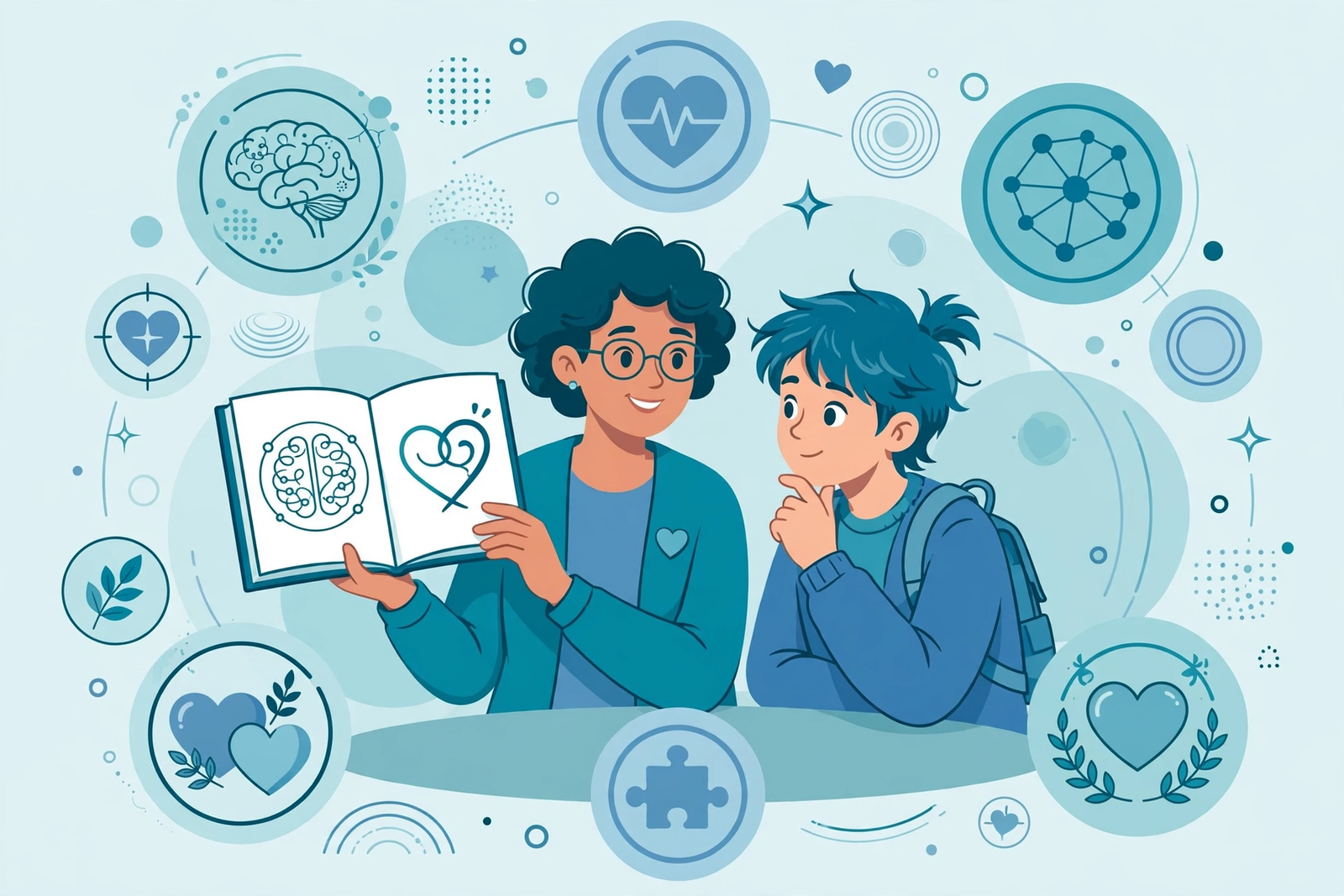
If you or someone you love has lived through something truly overwhelming, you already know how deeply it can touch every part of life. From a clinical psychology perspective, trauma is far more than a painful memory — it can reshape how we feel, think, and connect with the people around us. The hopeful news? Healing is absolutely possible, and you don’t have to walk that road alone.
In this guide, we’ll gently walk through what trauma is, how it can affect your mental health, and how clinical psychologists help people cope, recover, and rediscover a sense of steadiness — one small step at a time.
1. What is Trauma?
Trauma is an emotional response to an event or series of events that are overwhelming, distressing, or life-threatening. It can be caused by a wide range of experiences, and individuals may react to trauma in different ways depending on their personal resilience, support systems, and coping mechanisms.
1.1 Types of Trauma:
Trauma can be classified into two primary types: acute trauma and chronic trauma.
- Acute Trauma: This refers to the trauma resulting from a single, intense event, such as a car accident, natural disaster, or physical assault. Acute trauma can cause immediate emotional distress and may have long-term effects if not addressed.
- Chronic Trauma: This refers to prolonged exposure to distressing events, such as ongoing abuse, neglect, or living in a war zone. Chronic trauma can have cumulative effects on mental health, leading to severe emotional and psychological problems.
Another way trauma can be categorized is individual trauma versus collective trauma:
- Individual Trauma: Affects a single person, often caused by personal experiences like abuse, assault, or loss.
- Collective Trauma: Affects entire communities or groups, such as survivors of natural disasters, refugees, or communities exposed to systemic violence.
Trauma can also be classified as physical (involving bodily injury) or psychological (affecting the mind and emotions). Many traumatic experiences have both physical and psychological effects.
2. How Trauma Affects Mental Health
Trauma can significantly impact mental health, leading to a wide range of emotional, cognitive, and behavioral symptoms. The effects of trauma vary depending on the severity of the event, the individual’s resilience, and their ability to cope. Some individuals may experience temporary distress, while others may develop long-lasting psychological conditions.
2.1 Psychological Effects of Trauma:
The psychological effects of trauma are diverse and can manifest in various ways, including:
- Intrusive Thoughts and Flashbacks: Many individuals with trauma experience intrusive memories of the traumatic event. These memories may reappear unexpectedly and cause intense emotional reactions. Flashbacks, where individuals feel as though they are reliving the trauma, are common in conditions like Post-Traumatic Stress Disorder (PTSD).
- Emotional Numbness: Some individuals may emotionally shut down as a way of coping with the overwhelming nature of trauma. This emotional numbness can make it difficult to connect with others, experience joy, or feel empathy.
- Avoidance: Individuals who have experienced trauma may avoid reminders of the event, such as certain people, places, or activities. This avoidance can limit daily functioning and contribute to feelings of isolation.
- Hypervigilance: Trauma can lead to heightened awareness of potential threats, resulting in a constant state of alertness or anxiety. Individuals may feel on edge, constantly scanning their environment for signs of danger.
- Guilt and Shame: Survivors of trauma often experience feelings of guilt or shame, particularly if they believe they were somehow responsible for the traumatic event. These feelings can significantly impact self-esteem and contribute to depressive symptoms.
2.2 Behavioral Symptoms:
Trauma can also lead to changes in behavior, including:
- Substance Use: Some individuals turn to substances like alcohol or drugs as a way to numb their pain or cope with overwhelming emotions. Substance use disorders often co-occur with trauma-related conditions.
- Self-Harm: Individuals struggling with trauma may engage in self-harming behaviors as a way to express their emotional pain or gain control over their distress.
- Difficulty with Relationships: Trauma can impact an individual’s ability to trust others, leading to difficulties in forming and maintaining relationships. Fear of rejection or abandonment may contribute to social withdrawal or unhealthy relational patterns.
3. Trauma and Common Mental Health Disorders
Trauma is often linked to several mental health disorders, particularly those that involve disturbances in mood, anxiety, or behavior. Some of the most common trauma-related disorders include:
3.1 Post-Traumatic Stress Disorder (PTSD):
PTSD is a mental health condition that can develop after an individual experiences or witnesses a traumatic event. It is characterized by symptoms such as flashbacks, nightmares, avoidance of trauma reminders, and hyperarousal (e.g., irritability, difficulty sleeping, being easily startled).
PTSD can severely impact an individual’s ability to function in daily life. Treatment for PTSD typically involves therapies such as Cognitive Behavioral Therapy (CBT), trauma-focused therapy, and Eye Movement Desensitization and Reprocessing (EMDR).
3.2 Acute Stress Disorder (ASD):
Acute Stress Disorder shares similarities with PTSD but occurs shortly after a traumatic event (usually within three days to one month). It involves symptoms such as intrusive memories, anxiety, and emotional numbness. If the symptoms persist beyond a month, they may develop into PTSD.
3.3 Depression and Anxiety:
Trauma can contribute to the development of mood disorders such as depression and anxiety. Individuals with a history of trauma may experience persistent feelings of sadness, hopelessness, and anxiety. They may also develop panic attacks or generalized anxiety disorder (GAD), where they feel constantly worried or fearful.
3.4 Borderline Personality Disorder (BPD):
BPD is a personality disorder that is often associated with a history of trauma, particularly childhood abuse or neglect. Individuals with BPD may experience intense emotional instability, fear of abandonment, and difficulty managing relationships.
3.5 Dissociative Disorders:
Trauma, particularly childhood abuse, can contribute to dissociative disorders, where individuals experience a disconnection from their thoughts, emotions, or sense of identity. Dissociative Identity Disorder (formerly known as Multiple Personality Disorder) is an extreme example, though milder forms of dissociation are more common.
4. Clinical Psychology Approaches to Treating Trauma
Clinical psychologists use a variety of evidence-based therapeutic approaches to treat trauma and help individuals process their experiences. The goal is to help individuals regain a sense of control, heal emotionally, and improve their overall mental health.
4.1 Trauma-Focused Cognitive Behavioral Therapy (TF-CBT):
Trauma-Focused Cognitive Behavioral Therapy is a specialized form of CBT designed for individuals who have experienced trauma. It helps individuals identify and challenge negative thoughts related to the trauma and develop healthier coping strategies. TF-CBT also involves teaching individuals how to manage emotional responses and reduce avoidance behaviors.
4.2 Eye Movement Desensitization and Reprocessing (EMDR):
EMDR is a therapeutic approach that helps individuals process traumatic memories through guided eye movements or other forms of bilateral stimulation. This therapy is particularly effective for individuals with PTSD and has been shown to reduce the intensity of traumatic memories.
4.3 Narrative Therapy:
Narrative therapy encourages individuals to view their trauma as part of their broader life story rather than allowing it to define their entire identity. By externalizing the trauma and re-authoring their narrative, individuals can regain a sense of control and meaning in their lives.
4.4 Psychodynamic Therapy:
Psychodynamic therapy explores how past traumatic experiences influence current thoughts, emotions, and behavior. By understanding these patterns and developing insight into unresolved conflicts, individuals can work through their trauma and develop healthier coping mechanisms.
4.5 Group Therapy:
Group therapy can provide a supportive environment for individuals to share their experiences with others who have gone through similar traumatic events. Group therapy offers a sense of community and validation, reducing feelings of isolation.
5. Challenges in Treating Trauma
Treating trauma is not without challenges. Trauma survivors may face barriers to recovery, including distrust of mental health professionals, fear of re-experiencing the trauma, and difficulties in expressing their emotions.
5.1 Trust Issues:
Individuals who have experienced trauma may struggle with trusting others, particularly mental health professionals. Building trust and rapport is essential in therapy, and clinical psychologists must take care to create a safe and non-judgmental space for healing.
5.2 Re-traumatization:
During trauma therapy, clients may experience intense emotional reactions or flashbacks. While this is a normal part of the healing process, it can be difficult for clients to revisit traumatic memories. Clinicians must pace the therapy process and provide coping strategies to help clients manage overwhelming emotions.
Frequently Asked Questions
How does trauma affect mental health?
Trauma can lead to a variety of mental health disorders, including PTSD, anxiety, depression, and dissociative disorders. The psychological impact of trauma can affect emotional regulation, behavior, and relationships, often resulting in long-lasting effects if not addressed.
What types of therapy are effective for trauma?
Effective therapies for trauma include Trauma-Focused Cognitive Behavioral Therapy (TF-CBT), Eye Movement Desensitization and Reprocessing (EMDR), and psychodynamic therapy. These approaches help individuals process traumatic memories and develop healthier coping strategies.
How can trauma therapy help?
Trauma therapy helps individuals process their traumatic experiences, reduce emotional distress, and develop coping mechanisms to manage symptoms. It provides a safe space to confront painful memories and work toward emotional healing.
Key Takeaways
Trauma has a significant impact on mental health, often leading to disorders like PTSD, anxiety, and depression. Clinical psychologists play a critical role in helping individuals heal from trauma by providing therapy that addresses the emotional, cognitive, and behavioral effects of trauma. With evidence-based approaches like TF-CBT and EMDR, clinical psychologists help individuals process their experiences, regain control, and improve their overall well-being.
If you or someone you love is carrying the weight of trauma, please know you don’t have to carry it alone. Reaching out to a qualified mental health professional can be a powerful first step toward healing. (This article is for education only and isn’t a substitute for professional medical advice.) Our caring team at Mind Healing Ghazala is here for you — contact us today to take that first gentle step.
