



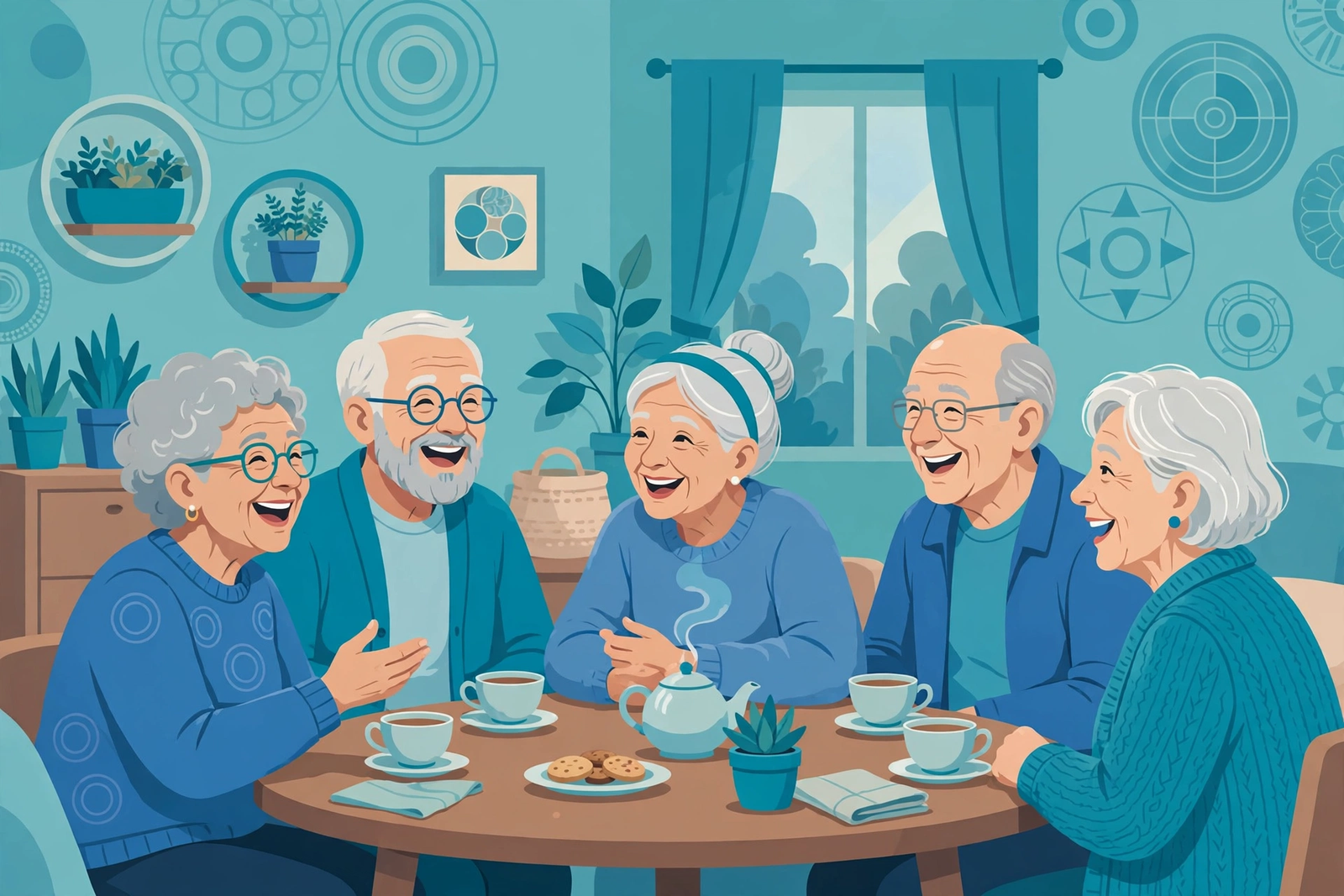
Key Points
- Socialization plays a crucial role in managing Alzheimer’s disease, improving cognitive function, and enhancing emotional well-being.
- Engaging in social activities helps reduce feelings of isolation, depression, and anxiety in individuals with Alzheimer’s.
- Regular social interaction supports cognitive stimulation, memory retention, and problem-solving skills.
- Caregivers should encourage participation in social activities and create opportunities for meaningful engagement.
Alzheimer’s disease is a progressive neurodegenerative condition that impairs memory, thinking, and behavior. As the disease progresses, individuals with Alzheimer’s may become more withdrawn, and their ability to engage in social activities may diminish. However, maintaining social connections and engaging in social activities are essential for improving the well-being of individuals with Alzheimer’s.
In this article, we will explore the importance of socialization in Alzheimer’s disease, the benefits of staying socially active, and practical strategies for caregivers to encourage social engagement.
Why Socialization Matters in Alzheimer’s Disease
Social interaction is a fundamental human need, and it plays a vital role in maintaining emotional well-being and cognitive health. For individuals with Alzheimer’s disease, socialization is not only important for maintaining social connections but also for preserving cognitive function, reducing behavioral symptoms, and enhancing overall quality of life.
1. Enhancing Cognitive Function
Engaging in social activities provides cognitive stimulation, which is essential for maintaining memory and cognitive function. Social interactions challenge the brain to recall information, process emotions, and engage in conversation, all of which contribute to preserving cognitive abilities.
- What to expect: Individuals who engage in regular social interactions are more likely to maintain cognitive function for a longer period of time. Socializing helps stimulate the brain, promote neuroplasticity, and slow cognitive decline.
- Caregiver tips:
- Encourage conversation: Engage your loved one in conversations that encourage memory recall. Ask about their past experiences, hobbies, and favorite activities to help stimulate cognitive function.
- Participate in group activities: Group activities such as board games, card games, or puzzles can be an excellent way to encourage socialization while providing cognitive stimulation.
2. Reducing Behavioral Symptoms
Behavioral symptoms, such as agitation, anxiety, and depression, are common in individuals with Alzheimer’s disease. Socialization helps reduce these symptoms by providing emotional support, promoting feelings of safety, and enhancing mood.
- What to expect: Social engagement can reduce feelings of isolation, which can contribute to depression and anxiety. It can also help alleviate agitation and confusion, especially when activities are enjoyable and familiar.
- Caregiver tips:
- Create a calm social environment: Ensure that social activities are relaxed and stress-free. Avoid overwhelming the individual with large groups or unfamiliar settings.
- Encourage supportive interactions: Involve family members, friends, or other caregivers in social activities to provide emotional support and reassurance.
3. Combatting Isolation and Loneliness
Individuals with Alzheimer’s disease often experience social withdrawal due to cognitive decline, difficulty communicating, or a loss of interest in activities. This can lead to feelings of loneliness, depression, and frustration. Socialization helps combat these feelings by providing opportunities for connection, companionship, and emotional support.
- What to expect: As Alzheimer’s progresses, individuals may withdraw from social activities due to communication challenges or embarrassment. However, maintaining social connections is essential for reducing feelings of isolation and promoting overall well-being.
- Caregiver tips:
- Facilitate small group interactions: Organize small social gatherings with family or close friends. Smaller groups may be less overwhelming and more conducive to meaningful interaction.
- Maintain connections: Encourage your loved one to stay connected with old friends, family, or familiar social groups, even if communication is limited.
4. Improving Mood and Emotional Well-Being
Socialization has a significant impact on emotional well-being. Engaging in social activities can provide a sense of purpose, boost self-esteem, and improve mood. For individuals with Alzheimer’s, these benefits are especially important as they cope with the emotional challenges of cognitive decline.
- What to expect: Regular social interaction helps improve mood by providing opportunities for laughter, shared experiences, and emotional validation. It also helps individuals maintain a sense of identity and connection to their past.
- Caregiver tips:
- Incorporate enjoyable activities: Encourage activities that the individual enjoys, such as listening to music, watching a favorite TV show, or attending a community event. These activities can improve mood and foster a sense of belonging.
- Create a supportive environment: Ensure that social interactions are positive and reinforcing. Avoid putting the person in situations that could cause frustration or embarrassment.
5. Providing Cognitive and Physical Stimulation
Social activities also provide both cognitive and physical stimulation. For example, engaging in group exercises, dancing, or taking part in arts and crafts can challenge both the mind and body, promoting overall health and well-being.
- What to expect: Activities that require both mental and physical involvement, such as dancing or playing interactive games, provide cognitive stimulation while also improving physical health.
- Caregiver tips:
- Engage in physical social activities: Consider activities such as walking with a friend, attending a senior fitness class, or participating in chair exercises that encourage movement and interaction.
- Explore creative activities: Art, music, and gardening can be fun and stimulating activities that encourage creativity and social engagement.
How Caregivers Can Encourage Socialization
Encouraging socialization can be challenging for individuals with Alzheimer’s, particularly as cognitive and communication skills decline. However, caregivers can play a crucial role in facilitating meaningful social interactions and creating opportunities for social engagement.
1. Plan Social Activities Around the Individual’s Interests
One of the best ways to encourage socialization is to plan activities that align with the individual’s interests, hobbies, and past experiences. Familiar activities can be more enjoyable and provide a sense of comfort.
- What to do: If the individual enjoyed gardening, encourage them to participate in gardening activities. If they were social or loved group gatherings, invite a few close friends over for a casual social event.
2. Create Opportunities for Family and Friends to Visit
Family visits and small social gatherings can provide important emotional support. Encourage family and friends to spend time with the individual and engage in simple activities together, such as looking through old photos or reminiscing about shared memories.
- What to do: Set up regular visits from family or friends to ensure that the individual remains socially connected. Reminiscing about shared experiences can be a meaningful way to engage the individual.
3. Utilize Community Programs and Support Groups
Many communities offer support groups or programs specifically designed for individuals with Alzheimer’s disease. These programs provide structured socialization opportunities and can help reduce feelings of isolation.
- What to do: Look into local Alzheimer’s support groups, memory cafés, or adult day care centers that offer social activities for individuals with Alzheimer’s. These programs provide a safe, supportive environment for socialization.
4. Encourage Participation in Structured Group Activities
Engaging in structured group activities, such as group exercises, arts and crafts, or games, can stimulate social interaction and foster a sense of community. These activities are often more accessible for individuals with Alzheimer’s as they don’t require complex cognitive skills.
- What to do: Organize group activities that are simple and enjoyable, such as board games, painting classes, or group exercises. These activities encourage interaction and help improve cognitive and physical function.
5. Be Patient and Supportive
When encouraging socialization, caregivers must be patient and understanding. It is important to recognize that socializing may become more difficult as Alzheimer’s progresses, and individuals may need additional support and reassurance to participate.
- What to do: Be supportive and encouraging, but avoid pushing the individual into social situations that may cause anxiety or frustration. Focus on creating a positive, low-stress environment for social interaction.
Key Takeaways
- Socialization is crucial for individuals with Alzheimer’s disease, providing cognitive stimulation, emotional support, and a sense of belonging.
- Regular social interaction helps reduce behavioral symptoms, combat isolation, and improve mood in individuals with Alzheimer’s.
- Caregivers can encourage socialization by planning social activities, creating opportunities for family visits, and utilizing community programs and support groups.
- Socialization also helps maintain cognitive function and provides physical stimulation, which contributes to overall well-being.
If you are a caregiver for someone with Alzheimer’s and need support or guidance on encouraging socialization, contact us today for resources, strategies, and expert advice.
