



Key Points
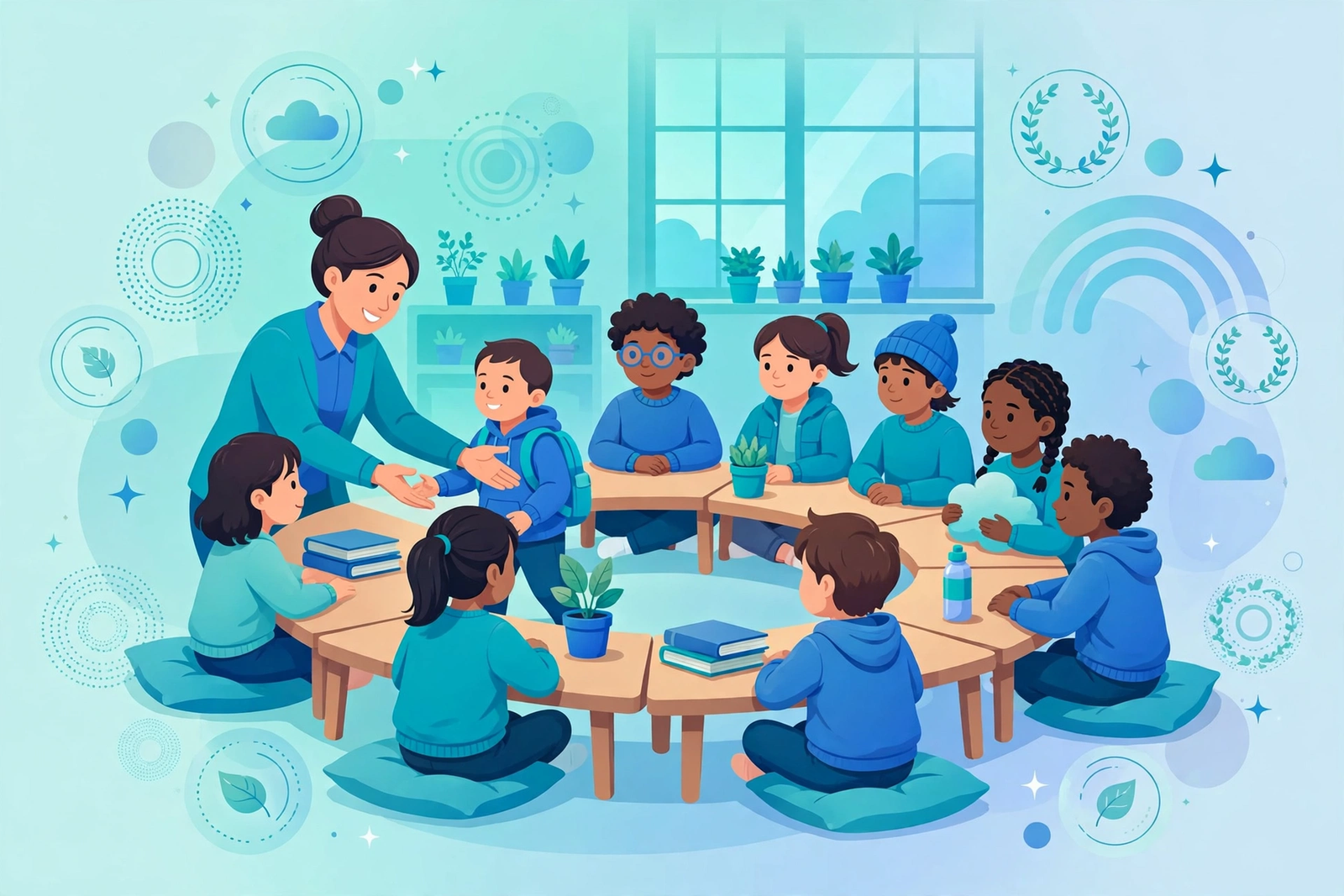
- Schools play a crucial role in supporting children with DMDD by providing a structured and understanding environment.
- Teachers and school staff can help children with DMDD by creating individualized support plans, offering emotional support, and implementing behavioral strategies.
- Early identification and intervention in schools can significantly reduce the impact of DMDD on academic and social functioning.
- Collaboration between parents, teachers, and mental health professionals is essential for creating a comprehensive support system for children with DMDD.
The Role of Schools in Supporting Children with Disruptive Mood Dysregulation Disorder (DMDD)
Disruptive Mood Dysregulation Disorder (DMDD) is a mood disorder that affects children, characterized by severe temper outbursts, irritability, and difficulty managing emotions. These symptoms can significantly impact a child’s ability to succeed in a school environment, both academically and socially. However, with the right support from school staff, children with DMDD can improve their emotional regulation and social functioning, leading to better outcomes.
In this article, we will explore how schools can support children with DMDD, including strategies for teachers, counselors, and other school staff to help these children thrive in the classroom and beyond. We will also discuss the importance of early identification, individualized support plans, and collaboration between parents and schools.
1. Early Identification and Intervention in Schools
Early identification of DMDD in children is crucial for providing timely support and intervention. The earlier a child’s emotional and behavioral challenges are recognized, the sooner school staff can implement strategies to support the child’s academic and emotional growth. Teachers and school counselors play an essential role in identifying signs of DMDD and providing appropriate support.
Signs of DMDD in the Classroom:
- Frequent temper outbursts: Children with DMDD may have temper tantrums, yell, or display aggressive behaviors when frustrated or upset.
- Chronic irritability: A child with DMDD may appear consistently angry or upset, even in situations that would not typically provoke such strong reactions.
- Difficulty following instructions: Children with DMDD may struggle to follow classroom rules or instructions, leading to behavioral problems or disruptions in class.
- Social difficulties: These children may have trouble interacting with peers, leading to social isolation or conflict with classmates.
Why Early Identification Matters:
- Prevents academic decline: Early identification allows teachers and school staff to implement support strategies to help the child succeed academically and avoid falling behind.
- Reduces behavioral disruptions: Addressing emotional challenges early helps prevent behavioral outbursts that can disrupt the learning environment and negatively affect the child’s relationships with peers and teachers.
- Promotes emotional development: Early intervention provides children with the tools they need to manage their emotions, leading to improved emotional regulation and social skills.
2. Creating Individualized Support Plans for DMDD
Children with DMDD often require individualized support to succeed in school. A one-size-fits-all approach may not be effective, as each child with DMDD may have unique needs and challenges. Creating an individualized support plan allows teachers and school staff to address the specific needs of the child, including behavioral interventions, academic accommodations, and emotional support.
Components of an Individualized Support Plan:
- Behavioral interventions: Develop strategies to help the child manage their temper outbursts and frustration in the classroom. This may include using positive reinforcement for appropriate behavior, setting clear expectations, and implementing time-out strategies when needed.
- Academic accommodations: Children with DMDD may struggle with focus and concentration. Accommodations, such as extra time for assignments, breaks during class, or a quiet space to work, can help the child succeed academically.
- Emotional support: Provide emotional support by creating a safe and supportive classroom environment. Teachers can use techniques such as active listening, praise for effort, and encouragement to help children manage their emotions and build self-confidence.
How to Develop an Individualized Plan:
- Collaborate with parents: Work closely with parents to gather information about the child’s needs and challenges. Parents can provide valuable insights into the child’s behavior and emotional state at home.
- Consult with mental health professionals: Collaborate with school counselors, psychologists, or other mental health professionals to develop a comprehensive plan that addresses the child’s emotional and behavioral needs.
- Monitor progress: Continuously assess the child’s progress and adjust the support plan as needed. Regular communication between teachers, parents, and mental health professionals ensures that the child’s needs are being met.
Why Individualized Support Plans Are Important:
- Tailored interventions: An individualized plan ensures that interventions are specific to the child’s needs, increasing the likelihood of success.
- Improved academic outcomes: Accommodations and support strategies help children with DMDD stay engaged in their studies, leading to better academic performance.
- Better emotional regulation: A structured support plan helps children learn to manage their emotions and reduce temper outbursts, improving their ability to navigate social and academic situations.
3. Teaching Social and Emotional Skills in School
Children with DMDD often struggle with social interactions due to their chronic irritability and difficulty regulating emotions. Teaching social and emotional skills in school can help these children improve their ability to engage with peers, resolve conflicts, and manage their emotions in social settings.
How to Teach Social and Emotional Skills:
- Social skills training: Provide children with explicit instruction on how to interact appropriately with peers, including taking turns, sharing, listening, and managing conflicts. Role-playing can be an effective tool for teaching social skills in a safe, controlled environment.
- Emotion regulation lessons: Incorporate lessons on emotional regulation into the school curriculum. Teach children techniques for recognizing their emotions, calming down when upset, and expressing their feelings in an appropriate way.
- Peer mentoring: Pair children with DMDD with a peer mentor who can model appropriate social behaviors and provide support in social situations. Peer mentoring encourages positive social interactions and provides children with a role model for managing emotions.
Why Social and Emotional Skills Matter:
- Improves peer relationships: Teaching social skills helps children with DMDD build positive relationships with their peers, reducing social isolation and increasing their sense of belonging.
- Promotes emotional resilience: Learning emotion regulation skills enables children to cope with difficult situations, reducing the impact of frustration and anger on their social interactions.
- Enhances self-esteem: Successfully interacting with peers and managing emotions improves children’s self-esteem and confidence in social settings.
4. Fostering a Positive and Supportive Classroom Environment
A positive and supportive classroom environment is essential for children with DMDD to thrive socially and academically. Teachers and school staff can create an environment that promotes emotional well-being, reduces stress, and supports positive behavior.
How to Foster a Positive Classroom Environment:
- Create a calm, structured space: A calm and predictable classroom environment helps children with DMDD feel secure and reduces anxiety. Use visual schedules, clear expectations, and a quiet area for children to retreat to when they need a break.
- Provide emotional validation: Acknowledge and validate the child’s emotions, even if they are upset. Let the child know that it is okay to feel frustrated, but encourage them to express their feelings in a controlled way.
- Encourage positive behavior: Use positive reinforcement to encourage appropriate behavior. Reward children for using coping strategies, staying calm, and interacting positively with peers.
Why a Positive Classroom Environment Is Important:
- Reduces emotional stress: A supportive classroom reduces emotional stress and provides children with a sense of safety and security, making it easier for them to focus and engage in learning.
- Promotes positive behavior: A positive environment encourages children with DMDD to use emotional regulation strategies and interact in a positive way with peers and teachers.
- Supports academic and social development: A positive classroom environment allows children to focus on academic tasks, build social relationships, and improve emotional regulation.
5. Collaborating with Parents and Mental Health Professionals
Collaboration between parents, teachers, and mental health professionals is essential for providing comprehensive support to children with DMDD. Parents and mental health professionals can provide valuable insights into the child’s behavior and emotional needs, helping school staff develop and implement effective strategies.
How to Collaborate with Parents and Mental Health Professionals:
- Regular communication: Establish regular communication with parents to discuss the child’s progress, behavior, and emotional development. This can be done through parent-teacher conferences, emails, or phone calls.
- Involve mental health professionals: Work with school counselors or psychologists to develop individualized support plans and provide additional support for the child. Mental health professionals can offer therapy, behavioral interventions, and guidance for managing DMDD symptoms in the school setting.
- Team approach: Take a team approach to support the child, with input from teachers, parents, and mental health professionals. This ensures that everyone involved is on the same page and working towards the same goals.
Why Collaboration Is Key:
- Provides holistic support: Collaboration ensures that the child receives support from all areas of their life, including home, school, and therapy, leading to better outcomes.
- Improves consistency: When parents, teachers, and mental health professionals work together, they can provide consistent strategies and expectations for the child, reducing confusion and frustration.
- Strengthens the support network: Collaboration builds a strong support network for the child, ensuring that they have the resources and tools they need to succeed academically and socially.
Red Flags to Watch For
If your child is struggling at school due to DMDD, watch for the following signs:
- Frequent classroom disruptions: If your child consistently disrupts the class due to temper outbursts, irritability, or frustration, it may indicate a need for additional support.
- Social withdrawal: If your child avoids social interactions with peers or becomes increasingly isolated, it may be a sign that DMDD is affecting their social development.
- Declining academic performance: A drop in grades, lack of motivation, or difficulty concentrating may signal that your child’s emotional challenges are impacting their academic progress.
Frequently Asked Questions
How can I support my child with DMDD at school?
Collaborate with teachers to create an individualized support plan, reinforce positive behavior at home, and teach your child emotional regulation strategies. Ensure that your child receives the necessary accommodations and support to succeed in the classroom.
How can I help my child with DMDD make friends?
Encourage structured social opportunities, such as playdates or group activities. Teach your child social skills, such as sharing, listening, and managing conflict, and provide positive reinforcement for positive social behavior.
When should I seek professional help for my child with DMDD?
If your child is struggling academically, socially, or emotionally due to DMDD symptoms, it’s important to seek professional help. A mental health professional can provide therapy, behavioral interventions, and support for both the child and the family.
Key Takeaways
Schools play a critical role in supporting children with Disruptive Mood Dysregulation Disorder (DMDD) by providing structured support, teaching emotional regulation skills, and fostering positive social interactions. Early identification, individualized support plans, and collaboration with parents and mental health professionals are essential for helping children with DMDD thrive academically and socially.
If your child is struggling with DMDD in school, work closely with school staff and seek professional support to ensure they receive the necessary tools and resources for success.
