



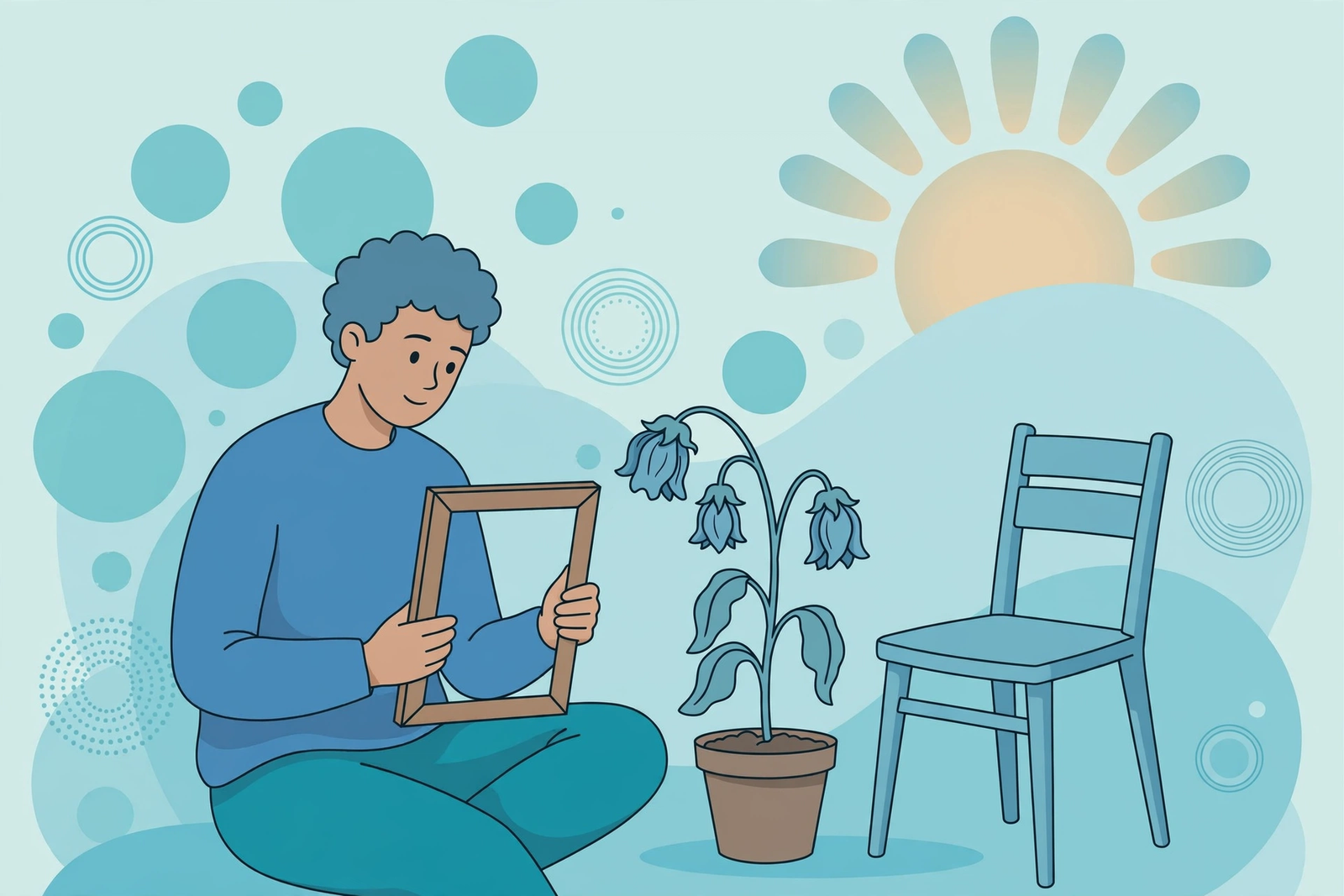
Key Points
- Grief and loss are a natural response to life’s hardest changes — whether that’s the death of a loved one, the end of a relationship, the loss of a job, or a major life transition.
- Each type of loss carries its own emotional weight, and your grieving process may look different depending on what you’ve lost.
- Whatever you’re feeling is valid. Naming and honoring those emotions is an important part of healing.
- While coping looks different for everyone, there is gentle common ground — reaching out for support, expressing your emotions, and practicing self-compassion — that can help you through any kind of grief.
The Many Faces of Grief: Different Types of Loss
If you’re grieving, you may wonder whether what you’re feeling is “normal.” Here’s something worth knowing early on: grief and loss are not limited to the death of a loved one. Grief can arise from many kinds of loss, and how you feel may depend on the circumstances and on your relationship to what was lost.
Whether you’re facing the loss of someone you love, the end of a relationship, a career setback, or another major life change, grief is a natural response to the disruption of what once felt familiar and secure. Each kind of loss brings its own challenges — and understanding those differences can help you make sense of what you’re going through.
Grieving the Loss of a Loved One
Losing someone you love — through death or separation — is often described as one of the most intense forms of grief. The emotions can feel all-encompassing, and that is a deeply human response to a profound loss.
1. The Intensity of Loss
- Emotional upheaval: The death of a loved one can leave an emotional void — and with it, overwhelming waves of sadness, shock, disbelief, and sometimes anger or guilt. This kind of loss can shake the foundations of your world.
- Feelings of emptiness: Alongside sadness, you may feel a quiet emptiness or loneliness as you adjust to life without them. These feelings can linger long after the funeral or memorial service has ended — and that doesn’t mean you’re grieving “wrong.”
2. Coping with the Loss
- Honoring their memory: Finding ways to honor the person you’ve lost can bring real comfort — a memorial, a tribute, or simply weaving their memory into your everyday life. Keeping their legacy alive can sit gently alongside your grief.
- Seeking support: You don’t have to carry this alone. Talking with family, friends, or a grief counselor can ease the weight, and joining a support group of people who’ve experienced a similar loss can offer a deep sense of connection and understanding.
Grieving the Loss of a Relationship
Loss doesn’t only come through death. When a relationship ends — through breakup, divorce, or estrangement — the grief can run just as deep as losing someone to death. If you’re feeling heartbroken, please know your pain is real and valid.
1. The Emotional Rollercoaster
- Sadness and disappointment: Grief after a relationship ends may bring deep sadness, disappointment, or even a sense of betrayal. These emotions can feel especially tangled if the relationship was long-term or involved shared responsibilities like children or finances.
- Anger and frustration: You might also notice anger or frustration surfacing as you process why things ended — perhaps rooted in unresolved conflicts or unmet expectations. That’s a normal part of the process, too.
2. Coping with the Loss
- Self-care and rebuilding: Be extra gentle with yourself right now. Activities that nurture your emotional and physical well-being — movement, hobbies, or time with supportive friends — can soften the emotional burden as you find your footing again.
- Time and healing: Healing from a relationship loss takes time. Give yourself space to grieve, reflect, and gradually rebuild your sense of self. And if you feel stuck, speaking with a counselor or therapist can make a meaningful difference.
Grieving the Loss of a Job or Career
Losing a job or career can bring a surprising depth of grief — especially when your work has been a big part of your identity. Feelings of uncertainty, self-doubt, or even an identity crisis are common, and they deserve to be taken seriously.
1. The Loss of Identity and Security
- Loss of purpose: Many of us draw purpose and identity from our work. After a job loss, questions like “Who am I now?” or “What’s next?” can feel disorienting — that’s grief talking, not failure.
- Financial stress: Job loss often arrives with financial uncertainty, adding another layer of stress and worry. Concerns about meeting obligations can intensify grief, making the whole experience feel more complicated.
2. Coping with the Loss
- Embrace a new identity: Finding purpose after job loss often means gently redefining who you are beyond your professional role — perhaps through a new career path, learning opportunities, or personal passions you set aside.
- Seek support and guidance: Career counselors, mentors, or support groups can help you navigate both the emotional and practical sides of job loss. Guidance on next steps can bring clarity and ease feelings of helplessness.
Grieving the Loss of Health or Physical Abilities
When your body changes — through chronic illness, disability, or the natural shifts of aging — it’s normal to grieve what once was. Health-related grief is real grief, and it can quietly reshape your daily life and sense of self.
1. Coping with Physical Changes
- Dealing with limitations: Losing physical abilities can bring grief over lost independence, identity, and the life you pictured. Frustration or hopelessness about these limitations are understandable feelings.
- Fear of the future: Health-related grief often carries worry about what lies ahead — especially with a progressive condition. That uncertainty can feel emotionally overwhelming at times.
2. Coping with the Loss
- Acceptance and adaptation: Gently accepting the reality of the change — while finding new ways to adapt — can support your grieving process. That might mean treatment or rehabilitation, adjusted routines, or discovering new ways to enjoy activities that still feel possible.
- Support groups: Connecting with others who’ve faced similar health challenges can ease isolation and offer practical wisdom from people who truly understand.
Coping with Grief and Loss in Healthy Ways
While every loss brings its own challenges, some gentle, time-tested strategies can support you through grief in a healthy way — whatever its shape.
1. Allow Yourself to Grieve
- Acknowledge your feelings: Grief is a normal response to loss — and it’s okay to feel sadness, anger, guilt, or confusion. Give yourself permission to grieve without judgment.
- Give yourself time: There is no set timeline for healing. Be patient with yourself as you move through the emotions, at your own pace.
2. Seek Support from Others
- Lean on family and friends: Talking with people you trust can lighten the emotional load and help you feel less alone. Sharing memories and feelings with others can be deeply comforting.
- Consider professional help: If grief starts to feel overwhelming, a therapist or counselor can offer guidance for navigating intense emotions and finding a way forward. Grief counseling is a sign of strength, not weakness.
Key Takeaways
Grief is a natural response to many kinds of loss — the death of a loved one, the end of a relationship, job loss, or health changes. Each brings its own emotional challenges, and your grieving process is uniquely yours. By understanding these differences — and meeting yourself with self-compassion, support, and healthy coping strategies — healing becomes possible.
If you’re grieving a loss right now, take your time and reach out for support when you need it. Whatever the loss, healing asks for patience, understanding, and care — and you deserve all three.
A gentle note: This article is here to educate and support you — it’s not medical advice. If your grief feels overwhelming, lingers heavily, or makes daily life difficult, please consider reaching out to a qualified mental health professional. You don’t have to carry it alone.
