



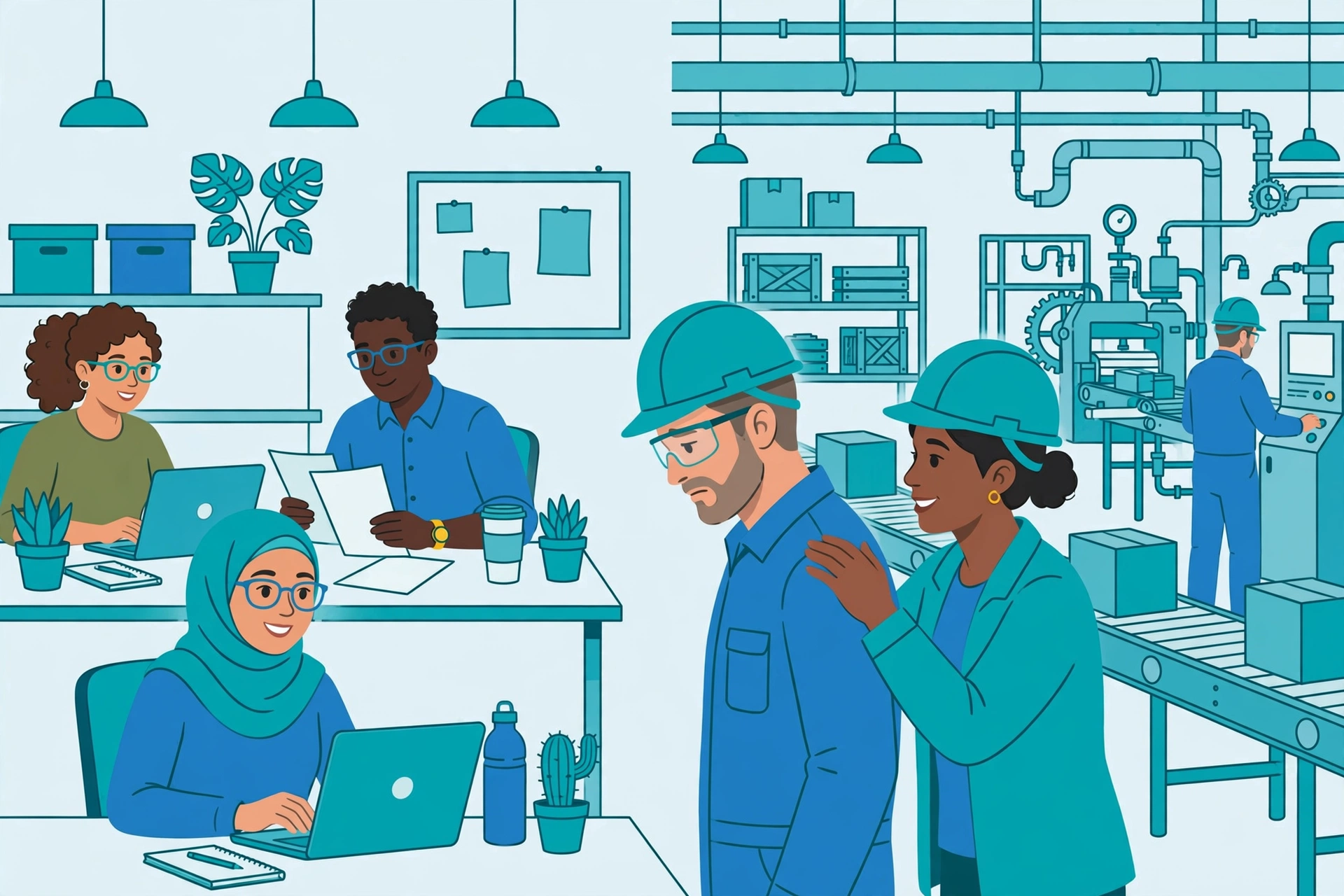
We spend roughly a third of our adult lives at work, so it should come as no surprise that work shapes how we feel. For many people, the workplace is where stress builds up, sleep starts to suffer, and quiet struggles go unnoticed. The good news is that workers mental health is finally being talked about openly, with more paths to support than ever before.
Key Points
- Burnout, anxiety, and depression are among the most common mental health challenges workers face, often triggered by high workloads, job insecurity, and poor workplace culture.
- Warning signs include constant exhaustion, dread of the workday, difficulty concentrating, withdrawal from colleagues, and physical symptoms like headaches or disturbed sleep.
- Support can come from within the workplace (EAPs, HR, trained managers), from professional services (therapists, psychiatrists, counsellors), and from peer and community networks.
- In Pakistan and South Asia, stigma, cost, and limited access make help-seeking harder, but low-cost and informal options are growing.
- Asking for help is a sign of strength and professionalism, and early support prevents small struggles from becoming serious conditions.
Why Workers’ Mental Health Deserves Serious Attention
Work gives us income, routine, purpose, and a social circle. But it can also be the largest source of stress in a person’s life. When job demands consistently exceed what a person can cope with, mental health suffers, and the effects spill into sleep, family life, physical health, and self-worth.
Occupational health research consistently shows that work-related stress, depression, and anxiety are among the leading causes of lost working days. Workers who feel unsupported are more likely to disengage, call in sick, make errors, or leave their jobs. The research on workers mental health is clear: this is not a side issue; it is central to how individuals and organisations function. Yet in many cultures, including across South Asia, mental strain is still treated as something to endure silently, which keeps people from seeking help when it would be most effective.
The Most Common Challenges Workers Face
Chronic Stress and Burnout
Burnout is not simply tiredness after a long week. It is deep physical, mental, and emotional exhaustion that develops after prolonged stress without adequate recovery. Workers feel drained before the day begins and detached from work they once cared about. Common drivers include excessive workloads, unrealistic deadlines, long hours, and never truly switching off from work messages.
Anxiety and Depression
Workplace anxiety can show up as persistent worry about performance, fear of making mistakes, and panic before meetings or deadlines. Depression can appear as low mood, loss of interest, slowed thinking, and hopelessness about the future. Both affect concentration and decision-making, creating a painful cycle in which declining performance feeds the anxiety or depression, which further erodes performance.
Job Insecurity and Financial Pressure
Fear of losing a job, or of never earning enough, is a powerful source of distress. Contract workers, daily wage earners, and those in industries with frequent layoffs live with chronic uncertainty. When a family’s rent, school fees, and medical costs depend on one paycheck, every conflict or performance review can feel like a threat to survival.
Toxic Work Environments and Bullying
Some workplaces harm mental health through culture rather than workload: bullying bosses, office politics, favouritism, harassment, or discrimination. Being targeted, humiliated, or excluded erodes self-esteem and can lead to anxiety, depression, and trauma responses. Because such behaviour often comes from people with power, victims frequently suffer in silence.
Poor Work-Life Balance and Stigma
When work consumes evenings, weekends, and holidays, there is no time left for rest, family, or friendships, the very things that protect mental health. And perhaps the biggest challenge of all is the silence around it: many workers fear that admitting to anxiety, depression, or burnout will mark them as weak, so they hide their struggles until they break.
Recognising the Warning Signs in Yourself
Mental health difficulties usually build quietly, and recognising them early makes recovery easier. Watch for these signs persisting over several weeks:
- Dreading the workday, including on Sunday evenings or holidays
- Feeling emotionally drained, irritable, or on edge most of the time
- Trouble concentrating, remembering things, or making decisions
- Withdrawing from colleagues, friends, or family
- Changes in sleep, waking exhausted or lying awake worrying about work
- Physical symptoms with no clear cause: headaches, stomach problems, muscle tension
- Loss of motivation or a growing sense of hopelessness about your career
If several of these sound familiar, it is not a character flaw. It is your mind and body signalling that something needs to change.
Where Workers Can Find Support
Support Within the Workplace
Many larger organisations offer Employee Assistance Programs, providing free, confidential counselling and referral services. If your employer has one, use it; it exists for exactly this purpose, and usage is typically kept private from your manager. HR departments can also discuss reasonable adjustments such as flexible hours or modified duties during a difficult period.
Professional Mental Health Services
For persistent anxiety, depression, burnout, or trauma, professional help makes a real difference. Psychologists and counsellors offer talk therapy that builds coping skills; psychiatrists can assess whether medication is appropriate. Many therapists now offer online sessions, which has made help more accessible for workers in smaller cities. If symptoms interfere with daily functioning for more than a couple of weeks, do not wait to reach out.
Peer, Community, and Daily Support
Sometimes the most powerful support comes from people who understand the same pressures: colleagues, faith communities, or worker support groups. In South Asia, extended family networks often function as a first line of emotional support, and that is a genuine strength worth leaning on. Alongside this, small daily habits protect your mind: take real breaks away from your desk, walk daily, protect your sleep by avoiding work messages before bed, set a clear end to the workday, and keep at least one non-work activity that is just for you.
The South Asian Reality: Cost, Access, and Stigma
In Pakistan and much of South Asia, workers face the same challenges as elsewhere but with fewer safety nets. Formal EAPs are rare outside large multinationals. Private therapy can cost more than a day’s wages, and qualified psychologists are concentrated in major cities. For daily wage earners, domestic workers, and factory staff, taking a day off can mean losing income the family depends on.
Stigma adds another layer. Admitting to depression or anxiety is still widely misunderstood as weakness or a lack of faith, particularly for men expected to be stoic breadwinners and for women whose work outside the home may already be questioned. Yet there are reasons for hope: university counselling centres, NGO-run helplines, and low-cost clinics are expanding in major cities, and online therapy has lowered both cost and the barrier of being seen walking into a clinic. If professional help feels out of reach, start where you are: a trusted doctor, a community counsellor, or an honest conversation with someone you trust.
Frequently Asked Questions
Is burnout a medical condition?
The World Health Organization recognises burnout as an occupational phenomenon rather than a medical condition, but it is closely linked to depression, anxiety, and physical illness. If exhaustion and cynicism persist despite rest, discuss it with a doctor or mental health professional.
Should I tell my employer about my mental health struggles?
There is no single right answer. In workplaces with supportive policies and confidential EAPs, disclosing can unlock practical help like adjusted duties or time off. In less supportive environments, it may be wiser to seek help privately first.
How do I know if work stress has become something more serious?
Normal work stress comes and goes with deadlines and eases with rest. It becomes a concern when low mood, anxiety, exhaustion, or dread persist for weeks, interfere with sleep and relationships, or make daily functioning difficult. That persistence is the signal to seek professional support.
What can I do today if I feel overwhelmed at work?
Start small: step away for a proper break, write down what is weighing on you to make it concrete, and talk to one trusted person about how you feel. If overwhelm is constant, begin exploring professional support options rather than waiting for a breaking point.
Are mental health days a real thing, and should I take one?
Yes. A mental health day is leave taken to rest and recover emotionally rather than physically. If your workplace allows leave without detailed explanation, taking an occasional day to reset is a sensible, responsible choice, not a sign of weakness.
Key Takeaways
- Workers’ mental health challenges, from burnout and anxiety to bullying and job insecurity, are common, real, and treatable.
- Early warning signs like persistent dread, exhaustion, and withdrawal deserve attention, not dismissal.
- Support exists at multiple levels: workplace programs, professional therapy, peer networks, and daily self-care habits.
- In South Asia, stigma and cost are real barriers, but low-cost clinics, online therapy, and community support are growing.
- You are more than your productivity. Protecting your mental health is what allows you to keep working, and living, well.
