


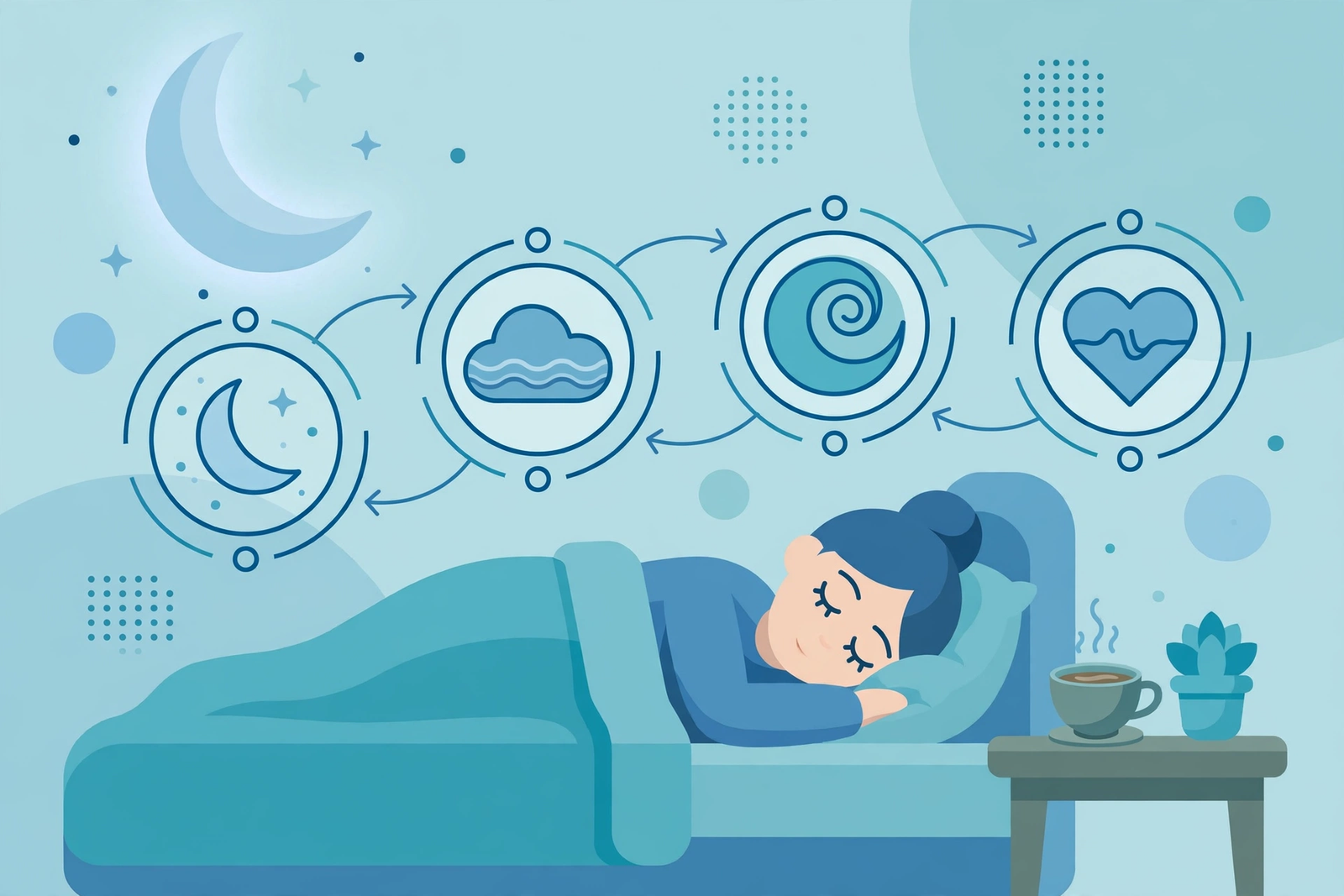
Caffeine is widely known for its ability to boost energy, alertness, and focus. However, one of the most significant drawbacks of excessive caffeine consumption is its impact on sleep. For those addicted to caffeine, the effects on sleep can be severe, leading to sleep disturbances, reduced sleep quality, and overall fatigue. Understanding the relationship between caffeine addiction and sleep is essential for improving overall well-being and establishing healthier sleep habits.
In this article, we will explore how caffeine affects sleep cycles, the long-term impact of caffeine on sleep, and strategies to improve sleep quality by managing caffeine intake.
How Caffeine Affects Your Sleep Cycle
Caffeine is a stimulant that works by blocking adenosine receptors in the brain. Adenosine is a neurotransmitter that promotes sleep and relaxation, and its levels naturally increase throughout the day to make us feel tired. By blocking these receptors, caffeine prevents the feeling of drowsiness and keeps us awake and alert. However, this stimulation can interfere with our natural sleep-wake cycle, leading to disruptions in our ability to fall asleep and stay asleep.
1. Caffeine’s Half-Life and Timing:
Caffeine has a half-life of approximately 5 to 6 hours, meaning that it takes this amount of time for the body to eliminate half of the caffeine consumed. If you consume caffeine in the afternoon or evening, it can remain in your system long after its stimulating effects have worn off. This can interfere with your ability to fall asleep, even if you don’t feel “wired” by the time you go to bed.
For example, if you drink a cup of coffee at 3 p.m., half of that caffeine will still be in your system at 9 p.m., which could make it difficult to fall asleep at your regular bedtime.
2. Disruption of REM Sleep:
Caffeine not only delays the onset of sleep but can also reduce the quality of your sleep. Specifically, caffeine consumption has been shown to disrupt REM (Rapid Eye Movement) sleep, which is the most restorative stage of the sleep cycle. REM sleep is essential for memory consolidation, emotional regulation, and overall cognitive function. If caffeine is consumed too late in the day, it can lead to a reduction in the amount of REM sleep you get, leaving you feeling less rested and more fatigued the next day.
3. Difficulty Falling Asleep:
Because caffeine increases alertness, it can make it difficult for individuals to unwind at night. Those who are dependent on caffeine may find it harder to relax and transition into sleep, even when they feel physically tired. This delayed sleep onset can result in shorter sleep durations, leading to sleep deprivation and increased tiredness the next day.
Long-Term Effects of Caffeine Addiction on Sleep
For individuals who consume caffeine regularly, especially in large amounts, the long-term effects on sleep can be significant. Chronic caffeine addiction can lead to ongoing sleep disturbances and contribute to a variety of health problems.
1. Chronic Sleep Deprivation:
If caffeine consumption continues to disrupt sleep, it can lead to chronic sleep deprivation. Inadequate sleep over time can affect cognitive function, memory, and overall mood. It can also contribute to increased stress, anxiety, and irritability, making it even more difficult to relax and sleep.
2. Increased Risk of Sleep Disorders:
Long-term caffeine addiction has been linked to an increased risk of sleep disorders such as insomnia. Insomnia is characterized by difficulty falling asleep or staying asleep, and it can significantly impair daytime functioning. Caffeine dependence can exacerbate these symptoms, leading to a vicious cycle where poor sleep encourages more caffeine consumption, and more caffeine leads to worse sleep quality.
3. Reduced Sleep Efficiency:
Over time, caffeine addiction can lead to reduced sleep efficiency, meaning that individuals may spend more time in bed but experience less restful sleep. This can result in feelings of fatigue and brain fog, even after a full night’s rest. Caffeine disrupts the body’s natural circadian rhythms, which play a crucial role in regulating sleep and wakefulness.
4. Impact on Overall Health:
Chronic caffeine-induced sleep deprivation can have wide-ranging effects on physical and mental health. It has been linked to an increased risk of conditions such as obesity, diabetes, cardiovascular disease, and depression. Sleep is critical for immune function, hormone regulation, and overall well-being, and disrupting sleep on a regular basis can lead to a decline in overall health.
How to Improve Sleep and Break the Caffeine Cycle
To reduce the negative impact of caffeine addiction on sleep, it’s important to manage caffeine intake and adopt healthier sleep habits. Here are some strategies for improving sleep quality and breaking the cycle of caffeine dependence:
1. Gradually Reduce Caffeine Intake:
The best way to manage caffeine’s impact on sleep is to gradually reduce your intake. Start by cutting back on the number of caffeinated beverages you drink each day, and replace them with lower-caffeine options like green tea or decaffeinated coffee. Gradual reduction can help minimize withdrawal symptoms, such as headaches and fatigue, and give your body time to adjust to lower caffeine levels.
2. Limit Caffeine Consumption to the Morning:
To prevent caffeine from interfering with sleep, limit your caffeine intake to the first half of the day. Avoid drinking coffee, tea, or energy drinks in the afternoon or evening, as this can disrupt your body’s natural sleep cycle. If you feel the need for a boost later in the day, consider switching to herbal tea or simply drinking water to stay hydrated.
3. Establish a Healthy Sleep Routine:
Improving your sleep hygiene is essential for quality rest. Set a consistent bedtime and wake-up time, even on weekends, to help regulate your sleep-wake cycle. Create a calming bedtime routine that includes activities like reading, meditating, or taking a warm bath to signal to your body that it’s time to wind down.
4. Create a Comfortable Sleep Environment:
Ensure that your bedroom is conducive to sleep by keeping it cool, dark, and quiet. Invest in a comfortable mattress and pillows to support restful sleep. Consider using blackout curtains or a white noise machine if external light or noise is a disturbance.
5. Exercise and Relaxation:
Regular physical activity can improve sleep quality by reducing stress and promoting relaxation. However, avoid vigorous exercise close to bedtime, as this can have the opposite effect. Incorporate relaxation techniques such as deep breathing, yoga, or mindfulness meditation into your daily routine to help manage stress and improve your ability to fall asleep.
Frequently Asked Questions
How does caffeine affect sleep?
Caffeine blocks adenosine receptors, which are responsible for promoting sleep, and stimulates the release of cortisol, increasing alertness. This disrupts the natural sleep-wake cycle and can make it difficult to fall asleep, leading to sleep deprivation.
Can caffeine cause insomnia?
Yes, excessive caffeine consumption, especially late in the day, can contribute to insomnia by interfering with sleep onset and reducing sleep quality. Caffeine’s stimulating effects can make it harder for individuals to relax and fall asleep.
How long does caffeine stay in your system?
Caffeine has a half-life of 5 to 6 hours, meaning that it takes this amount of time for the body to eliminate half of the caffeine consumed. Depending on your metabolism, caffeine can remain in your system for several hours, affecting sleep quality if consumed too late in the day.
Can reducing caffeine improve sleep quality?
Yes, reducing caffeine intake, especially in the afternoon and evening, can significantly improve sleep quality and help restore natural sleep patterns. Gradual reduction of caffeine allows the body to adjust and minimize withdrawal symptoms.
Key Takeaways
Caffeine addiction can have a significant impact on sleep, leading to sleep disturbances, insomnia, and chronic fatigue. By gradually reducing caffeine intake, establishing a healthy sleep routine, and creating a conducive sleep environment, individuals can improve their sleep quality and break the cycle of caffeine dependence. Prioritizing good sleep hygiene and managing stress are essential for achieving restful sleep and overall well-being.
For more guidance on improving sleep and managing caffeine intake, contact us today.