



Key Points
- Students with Autism Spectrum Disorder (ASD) benefit from tailored educational strategies that accommodate their unique needs.
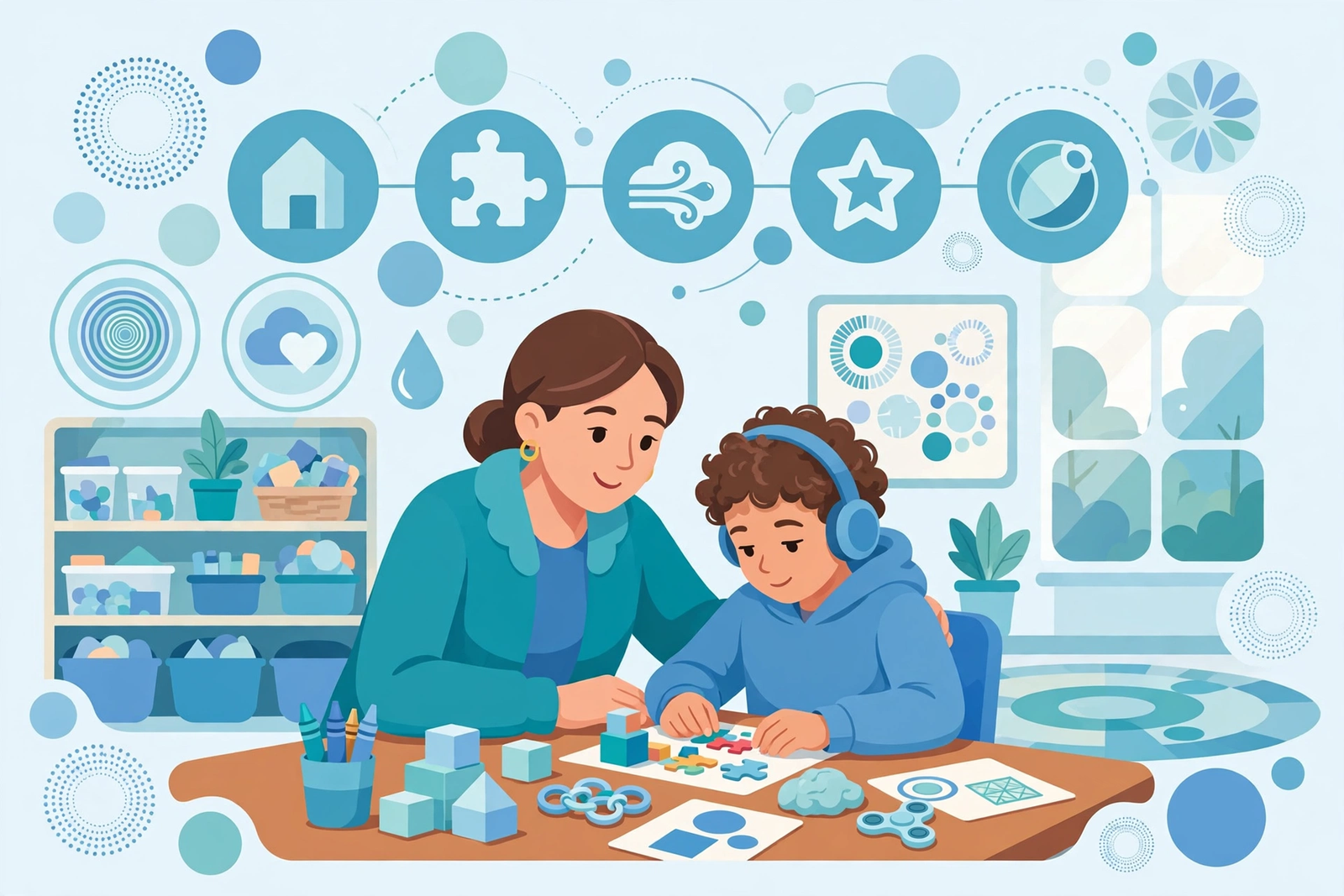
- Modifications in the classroom, including visual supports, structured routines, and sensory accommodations, help students with autism thrive in an academic setting.
- Social skills training and behavioral interventions are key components of effective education for students with autism.
- Collaborative efforts among teachers, parents, and therapists are essential for creating a successful educational experience for children with autism.
Supporting Autism in Education and Learning
Autism Spectrum Disorder (ASD) presents unique challenges in educational settings, but with the right support and strategies, students with autism can truly thrive in the classroom. Every student with autism has their own strengths and needs, which can make traditional learning environments tricky to navigate. The good news? With thoughtful adjustments and effective teaching methods, educators can help students with autism succeed academically, socially, and behaviorally. Understanding autism in education is the first step toward building classrooms where every learner belongs.
In this article, we will explore key strategies and accommodations that help individuals with autism succeed in educational environments. We will also look at how parents, teachers, and therapists can work together to create a warm, supportive, and inclusive learning experience for students with ASD.
1. The Importance of Tailored Education for Students with Autism
One of the most important aspects of supporting students with autism is recognizing that each individual has a unique set of strengths, challenges, and needs. A one-size-fits-all approach in education is often not effective for students with autism. Instead, education for students with ASD requires personalized and flexible strategies that are tailored to the individual’s needs.
1.1 Strengths-Based Approach
Rather than focusing solely on deficits, it is crucial to take a strengths-based approach when working with students with autism. Many students with autism have exceptional skills in specific areas, such as mathematics, memory, art, or technology.
- Fostering Strengths: Recognizing and fostering these strengths can help build confidence and improve engagement in the classroom. For example, a student who has a particular interest in technology can be encouraged to work on projects that align with their interests, helping them excel academically while also promoting motivation.
1.2 Understanding and Addressing Learning Styles
Each student with autism has a unique learning style. Some students may excel in visual learning, while others may benefit more from hands-on activities or auditory instructions. Understanding how a student learns best is crucial for tailoring teaching methods and maximizing their educational experience.
- Visual Supports: Many students with autism are visual learners and respond well to visual supports, such as charts, diagrams, and written instructions. Using visual aids can help clarify expectations and instructions.
- Hands-On Activities: Some students may benefit from more tactile, hands-on learning experiences that allow them to engage physically with the material. This approach can help make abstract concepts more concrete and understandable.
2. Classroom Modifications and Accommodations for Students with Autism
Classroom modifications and accommodations are essential for helping students with autism succeed in an academic setting. These adjustments can address sensory sensitivities, communication challenges, and difficulties with social interactions, allowing students to participate fully in the classroom.
2.1 Structured Routines and Schedules
Students with autism often thrive in structured, predictable environments. Providing a consistent routine and clear expectations can help reduce anxiety and improve focus in the classroom. Students with autism may become distressed if routines are disrupted, so it’s important to provide as much predictability as possible.
- Visual Schedules: Visual schedules can be particularly effective for students with autism, as they allow the student to see the daily routine in a clear, visual format. This helps them anticipate what comes next and reduce feelings of uncertainty.
- Clear Transitions: Providing clear, visual cues for transitions between activities can help students with autism prepare for changes and feel more comfortable during transitions. For example, using a timer or a signal can help indicate when a task is coming to an end.
2.2 Sensory Accommodations
Many students with autism have sensory sensitivities, which can make the classroom environment overwhelming. Sensory accommodations, such as quiet spaces, noise-canceling headphones, or sensory breaks, can help students manage sensory overload and stay focused on learning.
- Quiet Zones: Designating a quiet space in the classroom where students can go to relax and regulate sensory input can help reduce anxiety and prevent meltdowns.
- Sensory Tools: Sensory tools, such as fidget toys or textured fabrics, can provide tactile stimulation and help students with autism focus during class activities.
2.3 Communication Supports
Communication difficulties are common in students with autism, and many students may struggle with verbal communication, understanding nonverbal cues, or processing language. Providing communication supports can help students express their needs, engage with peers, and participate in classroom activities.
- Augmentative and Alternative Communication (AAC): For students with limited verbal communication, AAC tools, such as communication boards, picture exchange systems (PECS), or speech-generating devices, can provide a means for students to communicate effectively.
- Visual and Written Instructions: In addition to verbal communication, providing written or visual instructions can help students with autism understand expectations and follow tasks more easily.
3. Social Skills Training for Students with Autism
Social difficulties are another hallmark of autism. Many students with ASD struggle with understanding social cues, making friends, and participating in group activities. Social skills training is an essential part of supporting these students in the classroom and beyond.
3.1 Teaching Social Cues and Skills
Students with autism may have difficulty understanding body language, facial expressions, or tone of voice, which can affect their ability to interact with others. Social skills training involves teaching students to recognize and respond appropriately to social cues and engage in positive social interactions.
- Role-Playing: Role-playing activities can help students practice social interactions, such as greetings, asking for help, or making conversation. These activities allow students to develop and rehearse social skills in a supportive environment.
- Social Stories: Social stories are short, simple narratives that explain social situations and expectations. These stories can help students with autism understand social norms and reduce anxiety about social interactions.
3.2 Building Peer Relationships
Fostering positive peer relationships is important for students with autism, as it helps them develop social connections and improve communication skills. Educators can facilitate peer interactions by pairing students with autism with classmates who are understanding and supportive.
- Buddy Systems: Pairing students with autism with a “buddy” who can help guide them through social situations and provide peer support can promote positive interactions and encourage friendship-building.
- Group Activities: Encouraging group activities that focus on cooperative work, such as group projects or games, can provide opportunities for students with autism to engage with peers and develop social skills in a natural setting.
4. Collaboration Between Teachers, Parents, and Therapists
Collaboration between teachers, parents, and therapists is essential for providing a comprehensive and supportive educational experience for students with autism. Working together ensures that the student’s needs are consistently met across different environments and that progress is tracked effectively.
4.1 Consistent Communication
Regular communication between parents and teachers helps ensure that everyone is on the same page when it comes to the student’s progress and challenges. Parents can share insights about what works at home, while teachers can update parents on the student’s performance in the classroom.
- Parent-Teacher Meetings: Regular parent-teacher meetings provide an opportunity to discuss the child’s progress, share observations, and collaborate on strategies to support the student.
- Behavioral and Academic Reports: Sharing behavioral and academic reports with parents ensures that they are informed about the child’s development and can provide appropriate support at home.
4.2 Collaborating with Therapists
Therapists, such as speech therapists, occupational therapists, and behavioral therapists, can provide valuable insights and support for students with autism. Collaboration between educators and therapists ensures that the student receives a well-rounded treatment plan that addresses all aspects of their development.
- Integrating Therapy into the Classroom: Teachers can work with therapists to incorporate therapeutic strategies into classroom activities, such as using speech therapy techniques during group discussions or implementing behavioral therapy strategies to manage classroom behavior.
5. Red Flags to Watch For
It is important to recognize when a student with autism may need additional support or intervention. Some red flags to watch for include:
- Difficulty making friends or engaging with peers during group activities.
- Social withdrawal or avoidance of social interactions.
- Persistent communication difficulties, such as difficulty understanding or using language.
- Behavioral challenges, such as aggression, self-injury, or difficulty with transitions.
- Sensory sensitivities that interfere with daily activities or learning.
Frequently Asked Questions
1. How can I support my child with autism in school?
You can support your child by collaborating with their teachers, ensuring they have the right accommodations and therapies, and advocating for their needs. Consistent communication with the school and a positive, understanding approach at home can help improve your child’s experience.
2. What accommodations should be made for students with autism in the classroom?
Accommodations may include structured routines, visual schedules, sensory breaks, communication supports, and individualized education plans (IEPs) to address the student’s unique needs.
3. Can social skills be taught to children with autism?
Yes, social skills can be taught through structured activities such as role-playing, social stories, and peer interactions. Social skills training is a vital part of supporting children with autism in building relationships and participating in group activities.
Key Takeaways
Supporting individuals with autism in education requires a personalized approach that addresses their unique strengths and challenges. With the right accommodations, therapies, and collaborative support, students with autism can thrive in academic settings and develop the skills needed for successful, independent lives.
Contact me today for personalized guidance on supporting students with Autism Spectrum Disorder (ASD) in educational settings.
