



Key Points
- Autism Spectrum Disorder (ASD) is a neurodevelopmental disorder characterized by challenges in communication, social interaction, and repetitive behaviors.
- The exact cause of autism is not fully understood, but genetics and environmental factors are believed to play a role.
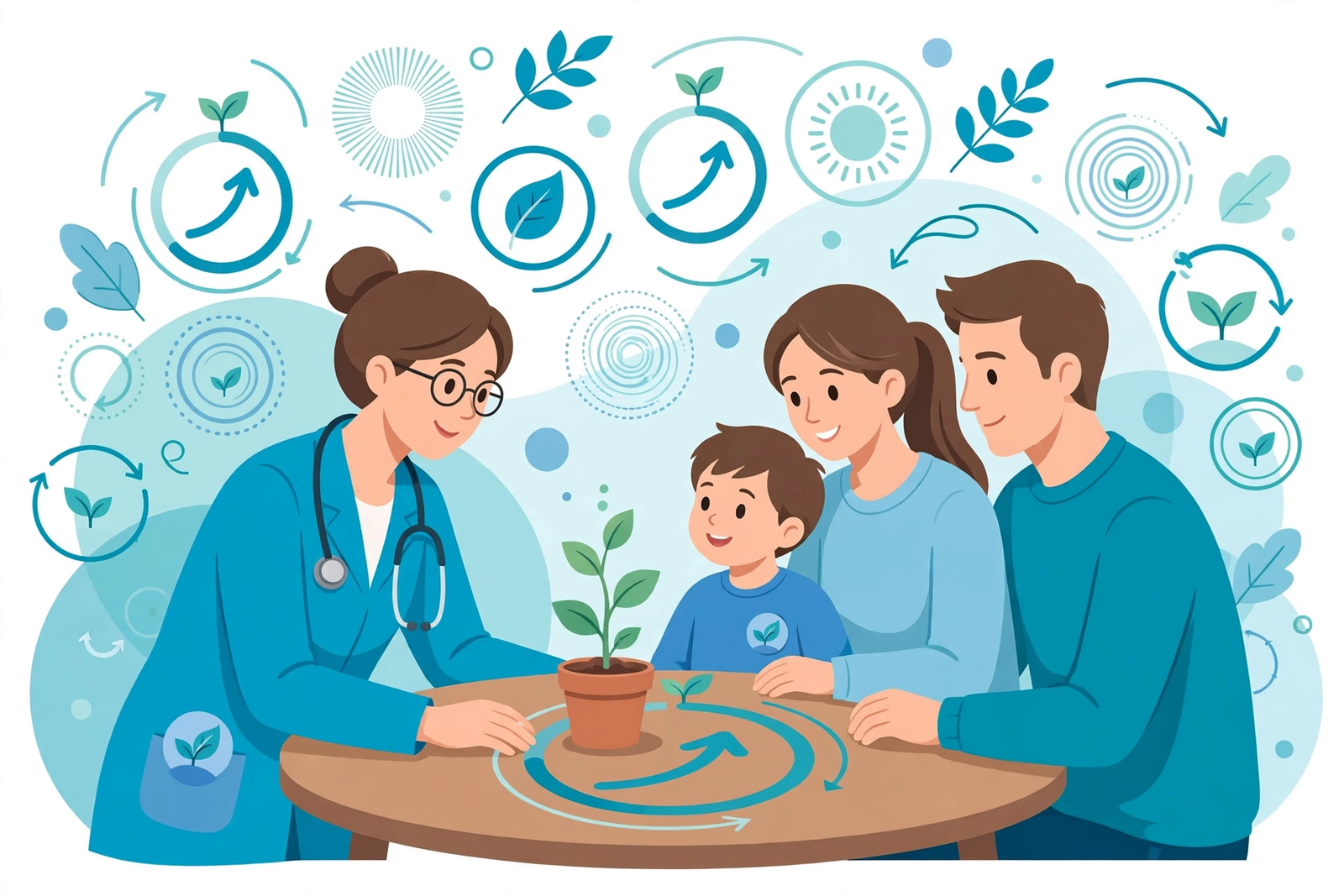
- Early diagnosis and intervention are critical in helping children with autism develop important skills and thrive.
- Treatment options, including therapy, education, and behavioral interventions, can help individuals with autism improve their communication, social skills, and daily functioning.
Understanding Autism Spectrum Disorder (ASD)
Autism Spectrum Disorder (ASD) is a complex neurodevelopmental condition that affects each person differently. The core characteristics include challenges in communication, social interaction, and the presence of repetitive behaviors or focused interests. Because Autism Spectrum Disorder (ASD) exists on a spectrum, individuals can experience a wide range of traits — from mild to more significant. Every person with autism is unique, with their own strengths and challenges.
While the exact cause of autism remains unclear, research suggests that a combination of genetic and environmental factors may play a role. The hopeful news? Early diagnosis and the right support can make a meaningful difference, helping individuals with autism build skills and thrive in their communities.
In this article, we’ll walk through the signs and symptoms of autism, explore potential causes, and look at the various treatment and support options available for individuals with ASD — so you feel informed and empowered.
1. Signs and Symptoms of Autism Spectrum Disorder (ASD)
The signs and symptoms of autism can vary widely from person to person, but there are common patterns that are often present in individuals with the disorder. The symptoms typically appear before the age of three and can be noticed in early childhood.
1.1 Challenges in Social Interaction
One of the core features of autism is difficulty with social interaction. Individuals with ASD may have challenges understanding social cues, engaging in back-and-forth conversations, and forming meaningful relationships with others.
- Difficulty with Eye Contact: Many individuals with autism avoid or have difficulty making eye contact, which can impact their ability to connect with others.
- Lack of Social Reciprocity: Individuals with autism may struggle with reciprocal social behaviors, such as taking turns in conversation or sharing interests and emotions with others.
- Challenges with Empathy: People with ASD may find it difficult to understand or respond to the feelings of others, which can affect their ability to form close friendships and navigate social situations.
1.2 Communication Difficulties
Communication challenges are another hallmark of autism. While some individuals with autism have typical or even advanced language skills, others may experience delays in speech development or have difficulty with verbal and nonverbal communication.
- Delayed Speech Development: Some children with autism may not speak at all or may have delayed speech development. This can make it difficult for them to express their needs and emotions.
- Difficulty with Nonverbal Communication: Even when individuals with autism are able to speak, they may struggle with nonverbal communication, such as understanding body language, facial expressions, or gestures.
- Echolalia: Some individuals with autism engage in echolalia, which is the repetition of words or phrases that they hear, often without fully understanding their meaning.
1.3 Repetitive Behaviors and Restricted Interests
Individuals with ASD often engage in repetitive behaviors and have intense, narrow interests in specific topics. These behaviors can include repetitive movements, such as hand-flapping or rocking, or a focus on specific objects or activities.
- Repetitive Movements: Common repetitive behaviors include hand-flapping, spinning, rocking, or repeating the same actions over and over again.
- Intense Focus on Specific Interests: Many individuals with autism develop intense interests in specific topics, such as trains, dinosaurs, or numbers. These interests may be very narrow but can provide comfort or a sense of security for the individual.
- Need for Routine and Structure: Individuals with autism often thrive in structured environments and may become distressed when their routine is disrupted or when they encounter unexpected changes.
1.4 Sensory Sensitivities
Many individuals with ASD experience sensory sensitivities, which means they may be overly sensitive or under-responsive to sensory stimuli, such as sounds, textures, lights, or smells.
- Hypersensitivity: Some individuals with autism may have heightened sensitivity to sensory stimuli, leading them to become overwhelmed by loud noises, bright lights, or certain textures of food or clothing.
- Hyposensitivity: Others may be under-responsive to sensory stimuli, which can result in a lack of reaction to pain, extreme temperatures, or other environmental factors.
2. Causes of Autism Spectrum Disorder (ASD)
The exact cause of autism is still not fully understood, but research suggests that both genetic and environmental factors play a role in the development of the disorder.
2.1 Genetics
Studies have shown that genetics are a significant factor in the development of autism. Certain genes are believed to increase the risk of developing ASD, and individuals with a family history of autism or related disorders may be more likely to have a child with autism.
- Family History: Autism tends to run in families, and having a sibling with autism increases the likelihood of another child being diagnosed with the disorder.
- Genetic Mutations: Research has identified specific genetic mutations and variations that may contribute to the development of autism. However, the exact genes involved are still being studied.
2.2 Environmental Factors
In addition to genetic factors, environmental influences during pregnancy or early childhood may also play a role in the development of autism. However, it is important to note that no single environmental factor has been proven to cause autism.
- Prenatal Factors: Certain prenatal factors, such as maternal infections, exposure to toxins, or complications during pregnancy, may increase the risk of autism.
- Parental Age: Advanced parental age, particularly paternal age, has been linked to an increased risk of autism in some studies.
2.3 Neurodevelopmental Factors
Autism is thought to involve differences in brain development and connectivity. Studies have shown that individuals with autism may have differences in the size and structure of certain brain regions, as well as differences in how the brain processes information.
- Brain Connectivity: Research suggests that individuals with autism may have differences in the way brain regions communicate with each other. This may contribute to challenges with social interaction, communication, and sensory processing.
3. Treatment and Intervention for Autism Spectrum Disorder (ASD)
While there is no cure for autism, early diagnosis and intervention are critical in improving outcomes for individuals with ASD. A combination of therapies, education, and behavioral interventions can help individuals with autism develop essential skills, improve communication, and lead fulfilling lives.
3.1 Early Intervention
Early intervention is one of the most effective ways to improve outcomes for children with autism. The earlier the diagnosis and treatment, the better the chance of improving communication skills, social interaction, and adaptive behaviors.
- Behavioral Therapy: Applied Behavioral Analysis (ABA) is one of the most widely used therapies for autism. ABA focuses on teaching new skills and reinforcing positive behaviors while reducing undesirable behaviors.
- Speech and Language Therapy: Speech therapy helps children with autism improve their communication skills, including both verbal and nonverbal communication.
- Occupational Therapy: Occupational therapy helps individuals with autism develop skills necessary for daily living, such as dressing, eating, and managing sensory sensitivities.
3.2 Social Skills Training
Social skills training helps individuals with autism learn how to interact with others, understand social cues, and form meaningful relationships. This training may include role-playing, group activities, and social scenarios to improve communication and social engagement.
3.3 Educational Support
Many children with autism benefit from specialized educational support. Individualized Education Programs (IEPs) are designed to meet the specific needs of students with autism, ensuring that they receive the appropriate accommodations and support in the classroom.
- Specialized Education Plans: IEPs may include modified teaching methods, communication supports, and behavioral interventions tailored to the child’s unique needs.
3.4 Medications
While there is no medication to cure autism, medications may be prescribed to help manage certain symptoms, such as anxiety, hyperactivity, or irritability. Medications can be used to address co-occurring conditions like ADHD or anxiety disorders, which are common in individuals with autism.
4. Red Flags to Watch For
Recognizing the signs of autism early can help ensure that individuals receive the support they need. Some red flags to watch for include:
- Delayed speech and language development.
- Difficulty with social interactions, such as limited eye contact or challenges with reciprocal conversations.
- Repetitive behaviors or interests, such as hand-flapping or an intense focus on a specific object.
- Sensory sensitivities, such as being overly sensitive to lights, sounds, or textures.
Frequently Asked Questions
1. Can autism be diagnosed later in life?
While autism is typically diagnosed in childhood, some individuals are not diagnosed until later in life, especially if their symptoms are mild or if they have learned to cope with their challenges. Diagnosis in adulthood can still lead to valuable support and intervention.
2. What therapies are best for children with autism?
Early intervention with therapies like Applied Behavioral Analysis (ABA), speech therapy, and occupational therapy is highly effective in helping children with autism develop communication, social, and adaptive skills.
3. Are there medications for autism?
There are no medications to cure autism, but medications can help manage symptoms such as anxiety, hyperactivity, or irritability. Medication is often used alongside behavioral and educational therapies.
Key Takeaways
Autism Spectrum Disorder (ASD) is a complex neurodevelopmental disorder that affects social interaction, communication, and behavior. Early diagnosis and intervention, including therapy, educational support, and social skills training, are crucial for helping individuals with autism develop essential skills and lead fulfilling lives. With the right treatment and support, individuals with autism can thrive in their communities and achieve their full potential.
Contact me today for personalized guidance on understanding and supporting individuals with Autism Spectrum Disorder (ASD).
