



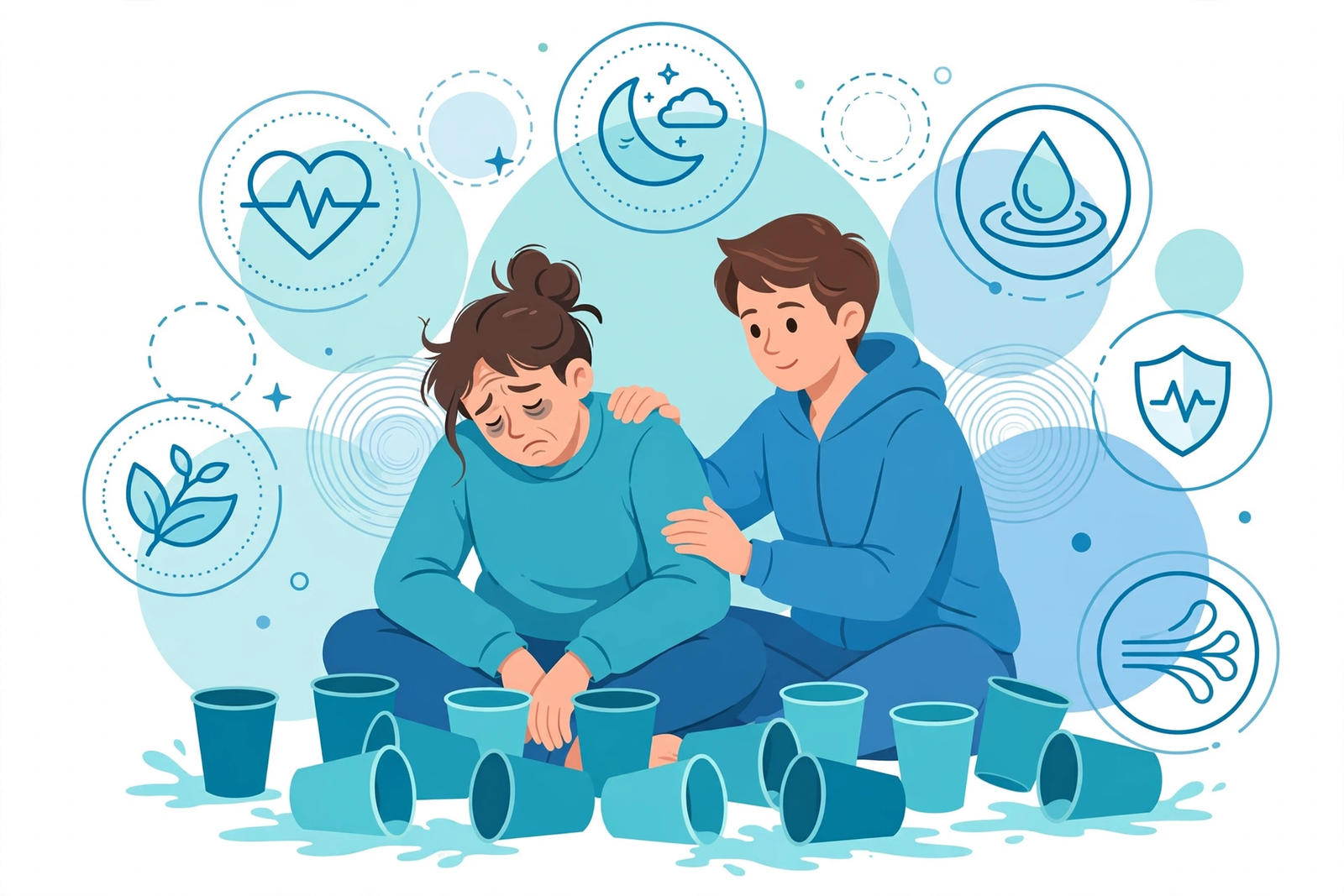
Caffeine addiction can have a significant impact on both physical and mental health. While moderate caffeine consumption may not pose many risks, excessive use can lead to a host of negative effects that can worsen over time. Many people rely on caffeine to stay alert, but when consumed in large quantities, it can become an unhealthy dependency with serious consequences.
In this article, we will explore the health risks associated with caffeine addiction, including both short-term and long-term effects on the body and mind. We will also discuss how caffeine addiction can impact daily life and relationships.
Short-Term Effects of Caffeine Addiction
In the short term, excessive caffeine consumption can cause a variety of immediate side effects, some of which can be quite distressing. These effects may include:
1. Increased Heart Rate:
Caffeine is a stimulant, and high doses can lead to an elevated heart rate, making individuals feel jittery or anxious. For some, this can feel uncomfortable or even frightening, especially if they are prone to anxiety or panic attacks.
2. Sleep Disruption:
Caffeine interferes with sleep patterns, often leading to insomnia or poor-quality sleep. Even if caffeine is consumed early in the day, it can stay in the body for several hours, affecting sleep at night and leading to fatigue the next day.
3. Anxiety and Nervousness:
Consuming large amounts of caffeine can increase feelings of anxiety and nervousness. This is particularly concerning for individuals who are prone to anxiety disorders, as caffeine can exacerbate these conditions and lead to panic attacks.
4. Digestive Issues:
High caffeine intake can irritate the stomach lining, leading to gastrointestinal discomfort, acid reflux, or heartburn. Over time, this can contribute to chronic digestive issues.
5. Dehydration:
Caffeine has diuretic properties, meaning it can increase urination and contribute to dehydration. This can further exacerbate feelings of fatigue and lead to headaches and dizziness.
Long-Term Effects of Caffeine Addiction
While the short-term effects of caffeine addiction are often manageable, chronic overconsumption can lead to long-term health problems. These can have a significant impact on overall well-being and quality of life.
1. Chronic Sleep Deprivation:
One of the most significant long-term effects of caffeine addiction is chronic sleep deprivation. As the body becomes more reliant on caffeine to stay awake, individuals may find it increasingly difficult to fall asleep or stay asleep. Over time, this can lead to sleep disorders, a weakened immune system, and an increased risk of mental health issues.
2. Increased Risk of Heart Disease:
Excessive caffeine consumption has been linked to an increased risk of heart disease. High caffeine intake can raise blood pressure and contribute to heart palpitations. This is especially true for individuals who are sensitive to caffeine or have pre-existing heart conditions.
3. Bone Health Issues:
Chronic caffeine consumption can interfere with calcium absorption, which may weaken bones over time. This can lead to conditions like osteoporosis, particularly in individuals who consume caffeine in large amounts and do not get enough calcium in their diet.
4. Addiction and Withdrawal:
Long-term caffeine addiction can lead to physical and psychological dependence, making it difficult to quit or reduce intake. Withdrawal symptoms such as headaches, irritability, fatigue, and mood swings can make it challenging to break the cycle of addiction.
5. Mental Health Effects:
Chronic caffeine use can affect mental health by contributing to anxiety, stress, and mood swings. Overuse of caffeine can increase cortisol levels, a stress hormone, leading to a heightened stress response and emotional instability.
How Caffeine Addiction Affects Daily Life
Caffeine addiction can interfere with many aspects of daily life. While caffeine is often seen as a way to boost productivity and stay alert, excessive consumption can lead to negative consequences in various areas of life.
1. Work Performance:
Although caffeine can improve focus in the short term, reliance on caffeine can lead to a decrease in productivity over time. This is because caffeine can disrupt sleep, making it difficult to maintain high levels of focus and concentration throughout the day.
2. Relationships:
Caffeine addiction can affect relationships, particularly in social or family settings. Individuals who are addicted to caffeine may become irritable or moody when they don’t have access to caffeine, leading to conflict with others. Additionally, the social pressure to consume caffeine in settings like work or social gatherings can normalize overconsumption, making it harder to break free from the addiction.
3. Physical Health:
As discussed, caffeine addiction can lead to various physical health issues, including digestive problems, increased heart rate, and long-term cardiovascular issues. These health problems can affect a person’s overall quality of life and their ability to engage in daily activities.
Reducing the Impact of Caffeine Addiction
To reduce the impact of caffeine addiction on health and daily life, it’s essential to take proactive steps to manage and reduce caffeine consumption. Here are some strategies that can help:
1. Gradual Reduction:
The best way to reduce caffeine dependence is through gradual reduction. Slowly decrease caffeine intake by cutting back on the number of cups consumed each day or by switching to lower-caffeine alternatives, such as green tea or decaffeinated coffee.
2. Adopt Healthy Habits:
Building a healthy lifestyle can help reduce the reliance on caffeine. Focus on getting enough sleep, exercising regularly, and eating a balanced diet. These changes can provide natural energy without the need for caffeine.
3. Practice Stress-Relief Techniques:
Incorporating relaxation techniques such as yoga, meditation, or deep breathing exercises into daily routines can help manage stress and reduce the urge to consume caffeine as a coping mechanism.
4. Seek Support:
If caffeine addiction is difficult to manage alone, seeking support from a healthcare professional, therapist, or support group can be beneficial. Cognitive Behavioral Therapy (CBT) can help individuals identify and change the thought patterns that contribute to caffeine dependency.
Frequently Asked Questions
How much caffeine is considered safe to consume?
Moderate caffeine intake—typically 200-400 milligrams per day (about 1-3 cups of coffee)—is generally considered safe for most adults. However, individual tolerance levels vary, and some people may experience negative effects with even small amounts.
Can caffeine addiction be dangerous?
Yes, excessive caffeine addiction can lead to health issues such as anxiety, insomnia, high blood pressure, and digestive problems. Long-term addiction can also increase the risk of heart disease and mental health disorders.
Is it possible to quit caffeine without withdrawal symptoms?
Quitting caffeine gradually can minimize withdrawal symptoms such as headaches, fatigue, and irritability. It’s important to reduce intake slowly to avoid a sudden drop in caffeine levels.
Can children develop caffeine addiction?
Yes, children and adolescents can become addicted to caffeine if they consume it regularly. It’s important for parents to monitor their children’s caffeine intake to avoid dependence and health risks.
Key Takeaways
Caffeine addiction can have serious consequences for both physical and mental health. While moderate consumption may be manageable, chronic overconsumption can lead to a variety of health issues, including heart problems, digestive issues, and mental health disorders. Reducing caffeine intake gradually, improving sleep habits, and adopting healthier coping mechanisms can help individuals overcome addiction and restore balance to their lives.
For more personalized guidance on managing caffeine addiction and improving overall health, contact us today.
