



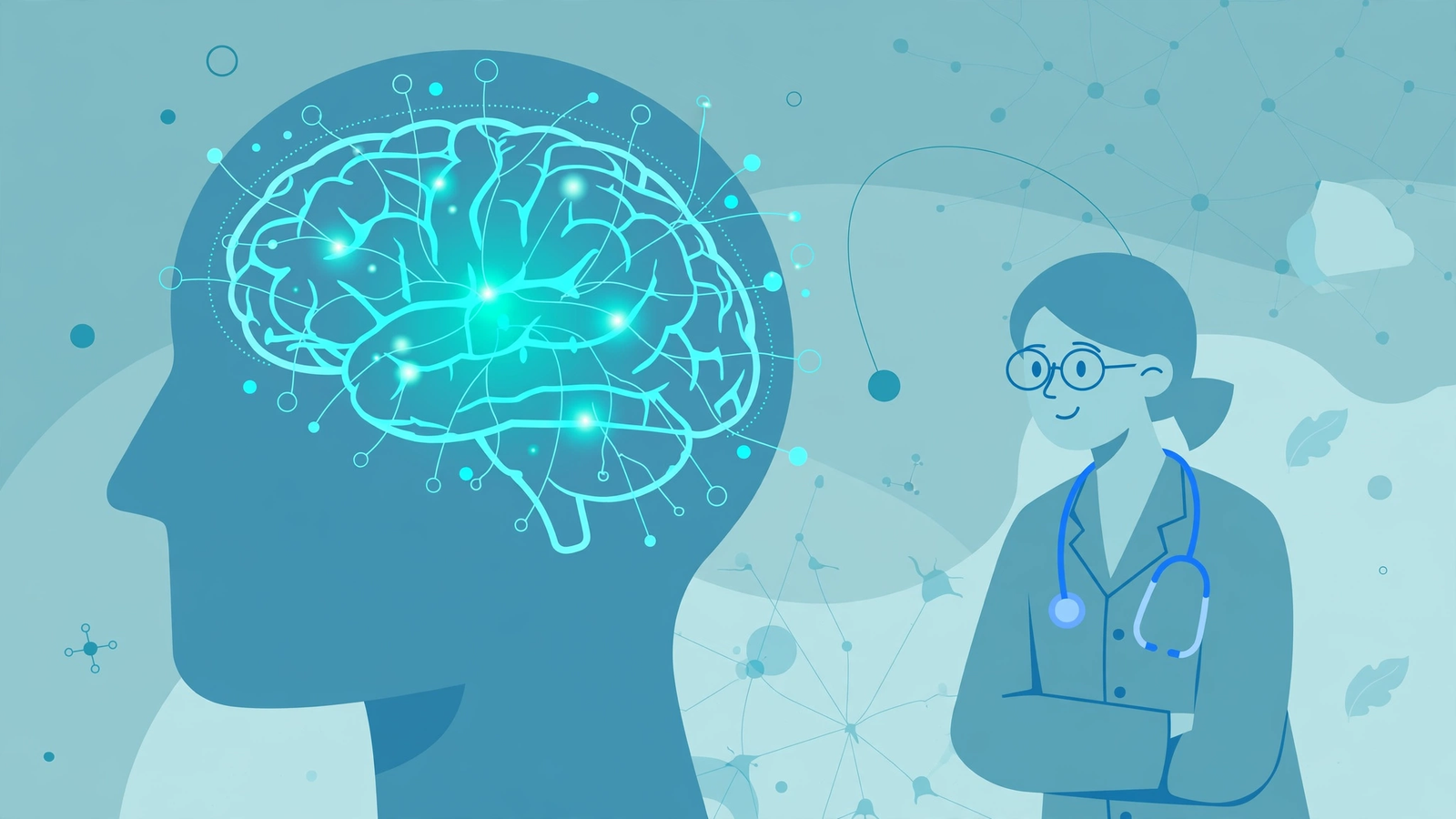
What happens in the brain when gambling takes over? It’s not about willpower — gambling disorder changes how the brain’s reward system works. Understanding the neurobiology of addiction can replace shame with compassion, and point the way toward effective treatment.
Key Points
- Gambling disorder is influenced by the brain’s reward system, particularly the release of dopamine.
- Neurobiological changes, including alterations in the prefrontal cortex and other areas of the brain, contribute to compulsive gambling behavior.
- Understanding the neurobiology of addiction is key to developing more effective treatment strategies.
- Pharmacological interventions may help address the neurobiological aspects of gambling disorder.
The Neurobiology of Gambling Disorder
Gambling disorder, like other addictive behaviors, is deeply rooted in the brain’s neurobiology. This disorder involves changes in brain function, particularly in areas related to reward, decision-making, and emotional regulation. Understanding these neurobiological changes can help explain why individuals with gambling disorder continue to gamble despite negative consequences.
1. The Role of the Brain’s Reward System
- Dopamine release: One of the most important neurobiological factors in gambling disorder is dopamine, a neurotransmitter associated with pleasure and reinforcement. Gambling activates the brain’s reward system by causing the release of dopamine. For individuals with gambling disorder, this release creates a strong sense of pleasure and reinforces the desire to gamble.
- Variable rewards and reinforcement: Gambling often involves variable rewards, where the individual’s brain is intermittently rewarded with wins, bonuses, or jackpots. This unpredictability increases the addictive potential of gambling, as the brain becomes conditioned to expect a reward and continues to gamble in anticipation of future wins. This process is similar to how slot machines and other gambling activities are designed to keep players engaged.
2. The Prefrontal Cortex and Decision-Making
- Impaired decision-making: The prefrontal cortex, which is responsible for higher cognitive functions like decision-making, impulse control, and self-regulation, plays a key role in gambling behavior. In individuals with gambling disorder, the prefrontal cortex may become less effective at controlling impulses, leading to poor decision-making and compulsive gambling behavior.
- Reduced self-control: The dysfunction in the prefrontal cortex makes it more difficult for individuals with gambling disorder to resist the urge to gamble, even when they know the consequences will be negative. This inability to control impulses or make rational decisions is a hallmark of gambling addiction.
3. Emotional and Stress Regulation in the Brain
- Stress and emotional regulation: Gambling can serve as an emotional escape, with individuals using it to cope with stress, anxiety, or depression. The brain’s emotional regulation system, which involves structures like the amygdala, may become dysregulated in individuals with gambling disorder, making it harder for them to manage emotional stress without resorting to gambling.
- Reward-seeking behavior: The desire to experience the emotional highs associated with gambling, such as winning or the excitement of taking risks, may overpower the brain’s ability to recognize negative consequences. This reward-seeking behavior can become compulsive, reinforcing the cycle of addiction.
Neurobiological Changes and Gambling Disorder
The neurobiological changes associated with gambling disorder extend beyond the brain’s reward system and prefrontal cortex. These changes can affect an individual’s emotional processing, impulse control, and overall cognitive function.
1. Dopaminergic Dysregulation
- Dopamine hypersensitivity: In some individuals with gambling disorder, the brain may become hypersensitive to dopamine, which means that they experience an intensified reward response when gambling. This heightened sensitivity can make gambling more pleasurable and increase the likelihood of repeated gambling behaviors.
- Impaired dopamine regulation: Over time, the brain may become less efficient at regulating dopamine, leading individuals to gamble more frequently or place higher bets in an attempt to achieve the same level of pleasure. This dysregulation of dopamine is similar to what occurs in other addictive behaviors, such as substance abuse.
2. Altered Brain Structure and Function
- Changes in the ventral striatum: The ventral striatum, a part of the brain involved in reward processing and motivation, may be hyperactive in individuals with gambling disorder. This area of the brain is responsible for processing the pleasurable aspects of rewards, and when it becomes overactive, it reinforces the desire to continue gambling.
- Prefrontal cortex dysfunction: The dysfunction of the prefrontal cortex, which is responsible for regulating behavior and decision-making, contributes to impulsivity and poor decision-making in individuals with gambling disorder. As the brain’s impulse control systems weaken, the individual becomes more prone to engaging in compulsive gambling.
Implications for Treatment
Understanding the neurobiological basis of gambling disorder has important implications for treatment. By recognizing how the brain’s reward and impulse-control systems contribute to the addiction, treatment strategies can be developed to target these mechanisms directly.
1. Cognitive Behavioral Therapy (CBT)
- Targeting cognitive distortions: CBT is effective in addressing the cognitive distortions associated with gambling disorder, such as the illusion of control and the belief that gambling will lead to financial recovery. CBT works by helping individuals identify and challenge these harmful thought patterns, ultimately reducing the compulsive urge to gamble.
- Improving decision-making: CBT also focuses on improving decision-making and impulse control. By working on strategies for resisting gambling urges and learning healthy coping mechanisms, individuals can better manage their behavior.
2. Medication and Pharmacotherapy
- Dopamine antagonists: Some research suggests that medications that block dopamine receptors, such as opioid antagonists, can reduce the rewarding effects of gambling. These medications may help diminish the pleasure associated with gambling and reduce cravings.
- Selective serotonin reuptake inhibitors (SSRIs): SSRIs, commonly used to treat depression and anxiety, have shown promise in treating gambling disorder, particularly in individuals who experience gambling as a way to cope with emotional distress.
- Mood stabilizers: For individuals with mood disorders or severe impulsivity, mood stabilizers may be used to regulate emotions and reduce impulsive gambling behavior.
3. Behavioral Interventions and Self-Help
- Gamblers Anonymous (GA): GA is a 12-step program that provides peer support for individuals in recovery from gambling disorder. It offers a sense of community and accountability while working through the recovery process.
- Self-exclusion programs: Many online gambling platforms offer self-exclusion programs, where individuals can voluntarily block access to gambling websites for a set period. This tool can help individuals control their gambling behavior by limiting access to gambling environments.
Key Takeaways
Gambling disorder is deeply rooted in the neurobiology of the brain, particularly the reward system and areas responsible for decision-making and emotional regulation. Understanding the neurobiological factors that contribute to gambling addiction is essential for developing effective treatment strategies. Cognitive Behavioral Therapy (CBT), pharmacotherapy, and self-help programs are effective treatment approaches that target the brain’s reward system and improve decision-making abilities. With the right combination of therapies and strategies, individuals can manage their addiction, regain control, and work toward long-term recovery.
If you or someone you know is struggling with gambling disorder, seeking professional help and understanding the neurobiological aspects of the disorder can significantly improve recovery outcomes.
A gentle note: this article is for education and encouragement — it’s not medical advice. If you or a loved one is struggling, please consider reaching out to a qualified professional.
