



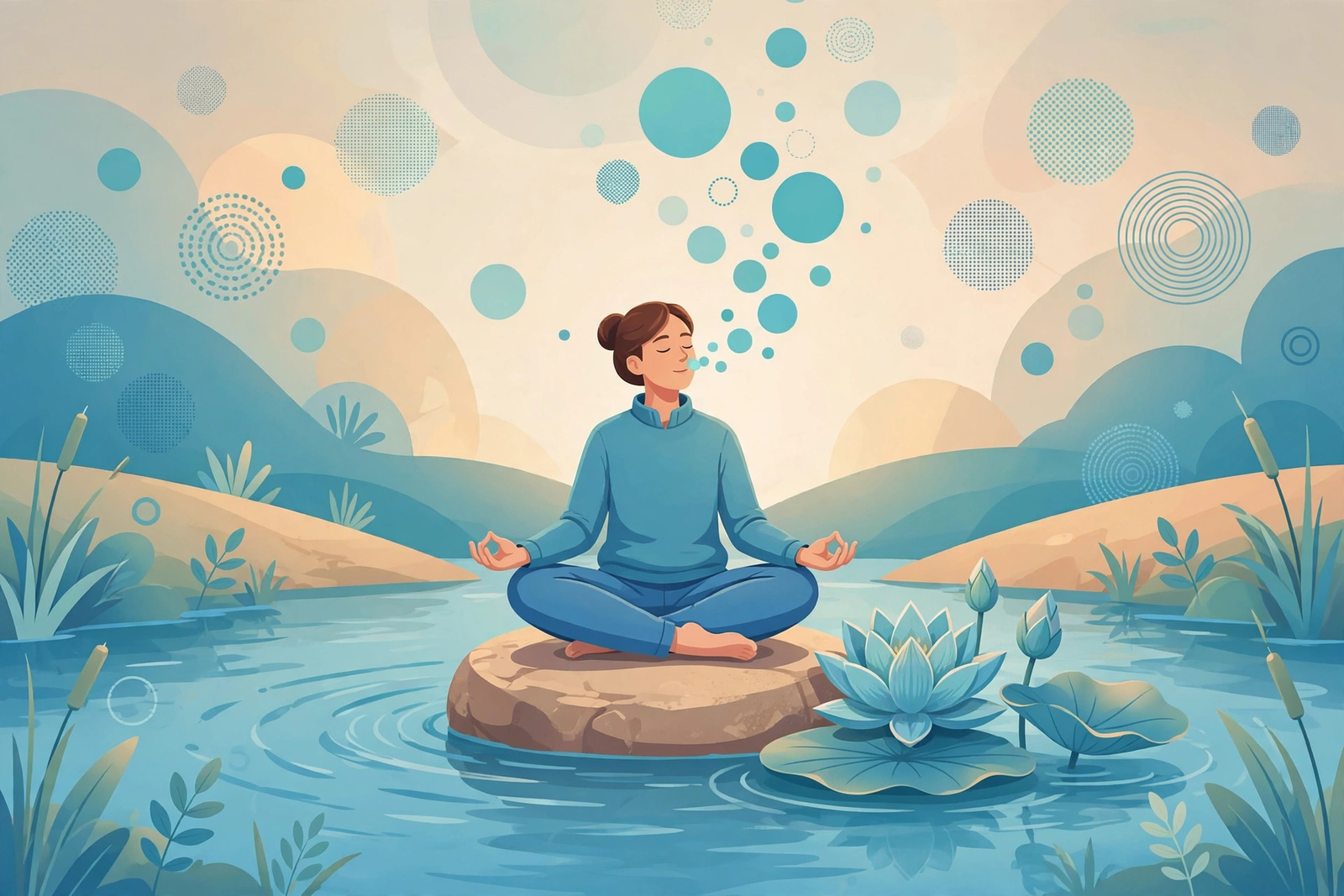
If your mind feels like a browser with fifty tabs open — all of them worrying — mindfulness and meditation might sound too simple to help. But these gentle practices can be surprisingly powerful allies against generalized anxiety disorder. Let’s explore how slowing down and tuning in can bring more calm to your everyday life.
Key Points
- Mindfulness and meditation are effective practices for managing symptoms of generalized anxiety disorder (GAD), promoting relaxation, and improving emotional regulation.
- These techniques help individuals stay present, reduce excessive worry, and cultivate a calm, focused mind.
- Regular practice of mindfulness and meditation can improve overall mental health and provide long-term relief from anxiety.
- Incorporating mindfulness into daily routines, along with therapy and medication, can enhance the effectiveness of a comprehensive treatment plan for GAD.
The Power of Mindfulness in Managing Generalized Anxiety Disorder
Mindfulness is the simple, profound practice of paying attention to the present moment — without judgment. For someone with generalized anxiety disorder, whose mind often races ahead to “what ifs,” this can feel like finally finding solid ground.
1. Reducing Rumination and Worry
- Interrupting the cycle of worry: One of the primary symptoms of GAD is persistent, uncontrollable worry. Mindfulness helps individuals observe their anxious thoughts without judgment, allowing them to let go of excessive worrying. By acknowledging the worry without reacting to it, individuals can reduce the cycle of rumination that fuels anxiety.
- Focusing on the present: Anxiety often arises from fears about the future or regrets about the past. Mindfulness trains individuals to focus on the present moment, reducing the tendency to worry about what might happen or what has already occurred. This can help alleviate the constant sense of dread or fear associated with GAD.
2. Promoting Emotional Regulation
- Non-judgmental awareness: Mindfulness encourages individuals to notice their emotions without labeling them as “good” or “bad.” This non-judgmental awareness allows individuals with GAD to acknowledge their anxiety without becoming overwhelmed by it. Over time, this practice helps individuals develop emotional resilience and the ability to regulate their responses to stress.
- Cultivating self-compassion: Through mindfulness, individuals can learn to approach their thoughts and emotions with compassion, rather than self-criticism. This self-compassionate approach helps reduce feelings of guilt or shame that often accompany anxiety and promotes a healthier, more balanced emotional state.
The Benefits of Meditation for GAD
Meditation takes mindfulness a step further, using focused attention and deep relaxation to calm both mind and body. Even a few minutes a day can begin to shift how you relate to anxious thoughts.
1. Deep Relaxation and Stress Relief
- Activating the relaxation response: Meditation activates the body’s natural relaxation response, which reduces the physical symptoms of anxiety, such as increased heart rate, muscle tension, and shallow breathing. This relaxation response helps individuals with GAD feel calmer and more centered, reducing the physical strain of anxiety.
- Reducing cortisol levels: Regular meditation has been shown to reduce cortisol, the body’s stress hormone. By lowering cortisol levels, meditation helps alleviate the chronic stress that often exacerbates symptoms of GAD.
2. Improving Focus and Concentration
- Training the mind to focus: Meditation improves focus by encouraging individuals to concentrate on a specific object, sound, or breath. This practice helps individuals with GAD improve their ability to focus on the task at hand, rather than getting distracted by anxious thoughts. Enhanced concentration can improve productivity and reduce feelings of being overwhelmed.
- Breaking the cycle of anxiety: Meditation helps individuals break the cycle of anxiety by training the mind to focus on a single point of attention. This allows individuals to detach from racing thoughts and intrusive worries, which are common in GAD. Over time, individuals may find it easier to stay grounded and calm during moments of anxiety.
Types of Meditation for Managing GAD
There are several forms of meditation that can be particularly helpful for generalized anxiety disorder. Each has its own flavor — try a few and see which resonates with you.
1. Mindfulness Meditation
- Focused awareness: Mindfulness meditation encourages individuals to focus on their breath, body sensations, or the environment around them. By observing these sensations without judgment, individuals with GAD can learn to detach from anxious thoughts and feelings.
- Body scan meditation: A form of mindfulness meditation that involves scanning the body from head to toe, paying attention to areas of tension or discomfort. This practice helps individuals become more aware of their physical sensations and promotes relaxation throughout the body.
2. Loving-Kindness Meditation (Metta)
- Cultivating compassion: Loving-kindness meditation focuses on developing feelings of compassion and goodwill toward oneself and others. This practice can help individuals with GAD overcome self-criticism and negative thought patterns by fostering a sense of warmth and acceptance.
- Reducing stress: Studies have shown that loving-kindness meditation can help reduce stress and anxiety by promoting positive emotions and improving emotional regulation. This practice encourages individuals to approach themselves and others with kindness and understanding.
3. Guided Meditation
- Mental imagery and relaxation: Guided meditation involves following along with a recorded or live guide who leads individuals through a meditation session. These sessions often include visualizations, calming imagery, and relaxation techniques designed to reduce anxiety and promote mental clarity.
- Ease of practice: Guided meditation is especially beneficial for beginners, as it provides structure and guidance. It can be particularly helpful for individuals with GAD who may find it difficult to meditate on their own.
4. Transcendental Meditation (TM)
- Mantra-based practice: Transcendental Meditation involves the silent repetition of a mantra, which helps individuals focus their attention and quiet the mind. This form of meditation is designed to reduce mental chatter and induce a deep state of relaxation.
- Long-term benefits: Research has shown that TM can have long-term benefits for individuals with anxiety, including improved emotional regulation and reduced stress levels. It has been found to help decrease symptoms of GAD by promoting a sense of calm and mental clarity.
How to Incorporate Mindfulness and Meditation into Your Routine
For individuals with generalized anxiety disorder, making mindfulness and meditation a regular part of life doesn’t require an hour a day or perfect silence. Small, consistent moments of stillness can add up to meaningful change.
1. Start Small and Be Consistent
- Start with short sessions: If you’re new to meditation or mindfulness, start with short sessions—just five to ten minutes a day. Gradually increase the duration as you become more comfortable with the practice.
- Consistency is key: Regular practice is essential for reaping the benefits of mindfulness and meditation. Try to set aside a specific time each day for your practice, whether it’s in the morning, during a lunch break, or before bed.
2. Create a Relaxing Environment
- Find a quiet space: Choose a quiet space where you can practice without distractions. This could be a corner of your room, a park, or even a cozy spot at home.
- Set the mood: To enhance relaxation, consider lighting a candle, using essential oils, or playing calming music in the background.
3. Use Apps and Resources
- Meditation apps: There are several apps available, such as Headspace, Calm, and Insight Timer, that offer guided meditations, mindfulness exercises, and relaxation techniques. These apps can be a helpful tool for beginners and seasoned practitioners alike.
- Online resources: Many websites and YouTube channels offer free guided meditations and mindfulness practices, making it easy to access these tools from anywhere.
Key Takeaways
Mindfulness and meditation are powerful, accessible tools for managing generalized anxiety disorder. They won’t erase anxiety overnight, but with regular practice, they can help you respond to worry with more calm and confidence.
If you or someone you love is struggling with generalized anxiety disorder, consider gently introducing mindfulness or meditation into the routine — alongside professional support. A qualified mental health professional can help you find the approach that fits best.
A gentle note: this article is for education and support — it isn’t medical advice. Please consult a qualified healthcare professional for personalized guidance.
