



Key Points:
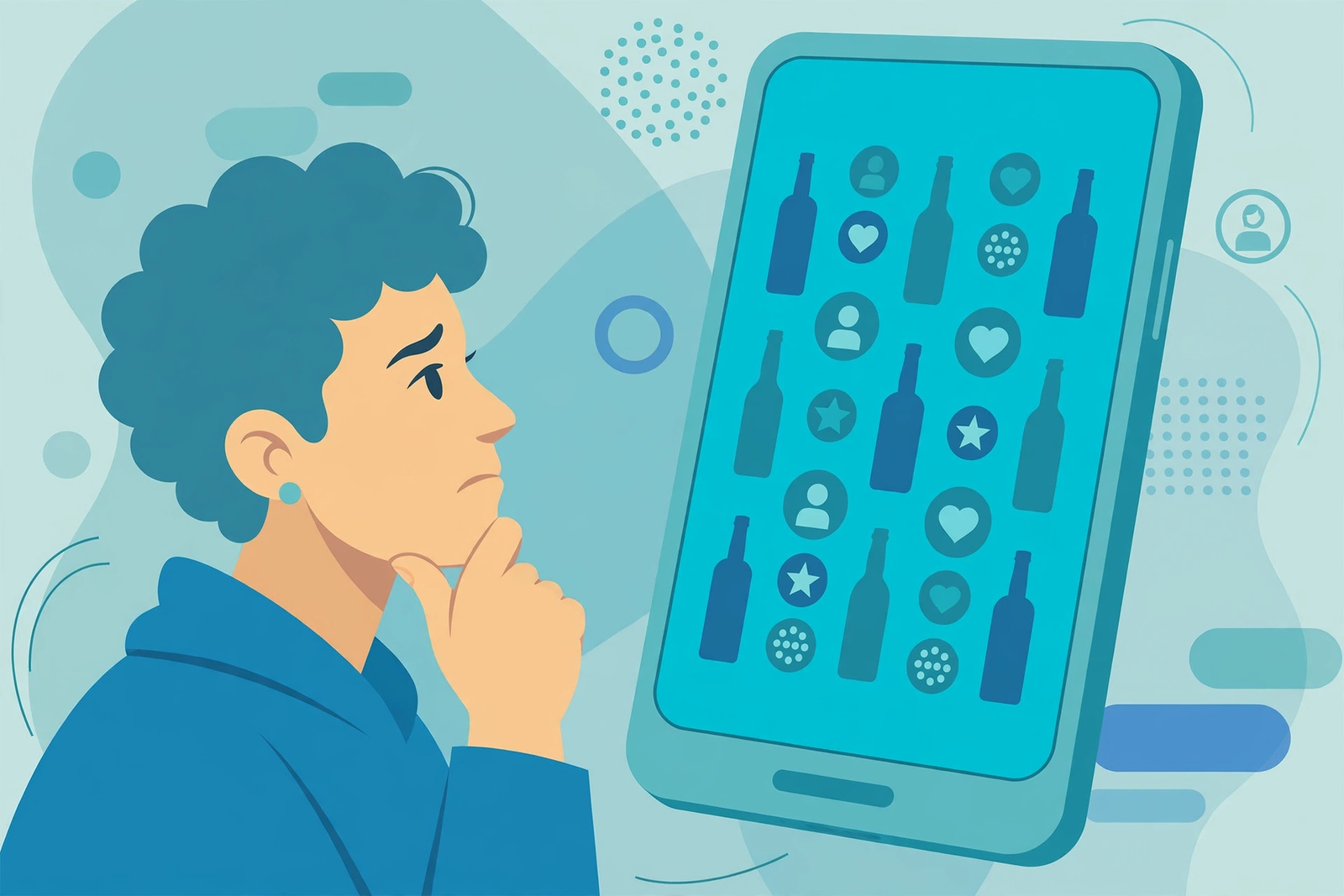
- Social media platforms play a significant role in shaping attitudes toward binge drinking, especially among young people.
- Influencers and peer groups often promote alcohol use as part of social experiences, leading to the normalization of binge drinking.
- Understanding the impact of social media can help individuals make healthier decisions and resist the pressure to conform.
- Social media literacy and awareness campaigns are effective tools in addressing the influence of alcohol-related content.
The Influence of Social Media and Binge Drinking
Social media shapes so much of what feels ‘normal’ today — especially for teens and young adults seeking connection and validation. Unfortunately, it’s also a place where binge drinking is often normalized and glamorized. Let’s take a thoughtful look at how social media and binge drinking are connected, so you can navigate online influences with confidence.
In this article, we will examine how social media influences binge drinking behaviors, particularly among younger audiences. We will also explore how influencers, peer groups, and online platforms promote alcohol consumption, and discuss strategies for managing and reducing the impact of these influences.
How Social Media Promotes Binge Drinking
1. The Influence of Social Media Influencers:
Social media influencers are individuals with a large following who share content related to fashion, lifestyle, fitness, and more. Many influencers, particularly those in the entertainment or lifestyle sectors, often post content featuring alcohol, social gatherings, and parties. This can promote binge drinking in the following ways:
- Glamorizing alcohol use: Influencers often present alcohol consumption as a fun, glamorous, and essential part of socializing, encouraging their followers to replicate these behaviors.
- Sponsored content and brand partnerships: Some influencers are paid by alcohol companies to promote their products. This can normalize binge drinking and suggest that it is an enjoyable and trendy activity.
- Influencers’ drinking challenges: Challenges and trends, such as “drinking games” or “cocktail tutorials,” often go viral on platforms like Instagram, TikTok, and YouTube, influencing followers to participate in excessive drinking.
2. Peer Pressure and Groupthink:
Social media platforms are not just for influencers; they also serve as spaces for peer interactions. On platforms like Facebook, Snapchat, and Instagram, individuals often share their experiences at parties or social gatherings where alcohol consumption is prominent. This peer-driven content can contribute to:
- Social validation: When friends and peers post about drinking, others may feel pressured to engage in similar behaviors to fit in or receive validation from their social groups.
- FOMO (Fear of Missing Out): Seeing others partake in drinking events or binge drinking activities on social media can create a fear of missing out, driving individuals to engage in similar behaviors to feel included.
- Highlighting alcohol-centric events: Many social media posts revolve around events like parties, festivals, and holidays where drinking is a central theme. These posts often frame binge drinking as the highlight of social life.
3. The Perception of Normalcy:
Social media has the power to normalize behaviors that might otherwise be considered problematic. The frequent portrayal of binge drinking in posts and stories can contribute to:
- Normalizing excessive alcohol consumption: With so many people posting about binge drinking, it becomes easier to view it as a regular part of life, rather than a harmful or excessive behavior.
- Decreasing perceived risks: The more individuals see binge drinking as normal, the less they may recognize the risks associated with it, such as alcohol poisoning, addiction, or long-term health issues.
The Psychological Impact of Social Media on Binge Drinking
1. Social Comparison:
Social media platforms foster an environment of social comparison, where individuals compare their lives with those of others. This can lead to the desire to imitate behaviors seen online, including binge drinking. The psychological effects include:
- Increased pressure to conform: If binge drinking is presented as a common and enjoyable activity by peers or influencers, individuals may feel obligated to join in, even if they have reservations or concerns about alcohol use.
- Body image and self-esteem: Social media often emphasizes appearance, and individuals may use alcohol to cope with insecurities or to feel more confident in social settings. This can lead to unhealthy drinking behaviors, especially in adolescents and young adults.
2. The Fear of Missing Out (FOMO):
Social media exacerbates FOMO, where individuals feel anxious or excluded when they see others engaging in social activities. FOMO can drive individuals to binge drink as a way to feel included or part of the social experience. The psychological impact includes:
- Reinforcing alcohol as a social norm: Seeing others frequently post about drinking can create the false impression that alcohol is required for fun, friendship, or success.
- Fear of rejection: Adolescents and young adults, in particular, may feel anxious about being left out of social circles if they do not participate in binge drinking events.
Strategies for Managing the Influence of Social Media on Binge Drinking
1. Social Media Literacy:
One effective strategy for combating the influence of social media on binge drinking is teaching individuals about social media literacy. This involves:
- Recognizing unhealthy content: Educating individuals about the dangers of social media posts that glamorize alcohol consumption and the impact this can have on their drinking habits.
- Promoting critical thinking: Encouraging individuals to question the content they see on social media and to recognize that not everything portrayed online is an accurate reflection of reality.
2. Limiting Exposure to Alcohol-Centric Content:
Individuals can take proactive steps to limit their exposure to alcohol-related content on social media:
- Unfollowing harmful accounts: Unfollowing influencers or accounts that consistently promote binge drinking or alcohol use can help reduce the pressure to engage in these behaviors.
- Engaging with positive content: Following accounts that promote healthy lifestyles, fitness, or other interests unrelated to alcohol can provide a positive alternative to alcohol-centered social media content.
3. Open Conversations About Social Media and Alcohol:
Having open conversations about the impact of social media on alcohol use can help individuals, especially younger people, develop healthier attitudes toward drinking. Parents, educators, and peers can:
- Discuss the realities of social media: Talking about how social media often presents an unrealistic view of alcohol consumption and the associated risks can help individuals resist the temptation to binge drink.
- Encourage healthier behaviors: Promoting alcohol-free activities and supporting adolescents and young adults in building their self-esteem and social networks can reduce the influence of alcohol on social media.
Frequently Asked Questions
How does social media influence binge drinking behavior?
Social media influences binge drinking by normalizing alcohol use, promoting alcohol-related content, and encouraging peer pressure through the sharing of drinking experiences. Influencers, celebrities, and friends often post content that glamorizes alcohol consumption, making it seem like a necessary part of socializing.
How can I protect myself from the negative influence of social media on alcohol consumption?
Limiting exposure to alcohol-related content, practicing social media literacy, and engaging in open conversations about the impact of social media can help protect against the pressure to binge drink. It is important to follow accounts that promote healthy, positive behaviors and to recognize that online content often does not reflect reality.
Can social media encourage underage binge drinking?
Yes, social media can encourage underage binge drinking by presenting alcohol use as normal and desirable. Adolescents and young adults may feel pressure to conform to the behaviors they see online, leading to earlier and more frequent binge drinking.
Key Takeaways
Social media plays a significant role in shaping perceptions of binge drinking, particularly among younger individuals. The constant portrayal of alcohol as a central part of social experiences can lead to normalization, peer pressure, and unhealthy drinking behaviors. By promoting social media literacy, limiting exposure to harmful content, and encouraging healthier alternatives, individuals can resist the influence of social media and make more responsible choices regarding alcohol use.
