



Do you find it difficult to say “no” when someone asks for a favor?
Do you hesitate to express your thoughts or opinions because you fear conflict?
Are you wondering whether you communicate confidently while still respecting others?
Take this free Assertiveness Test to discover how confidently you express your thoughts, feelings, and needs. This self-assessment can help you understand whether your communication style is assertive, passive, or overly aggressive.
What Is Assertiveness?
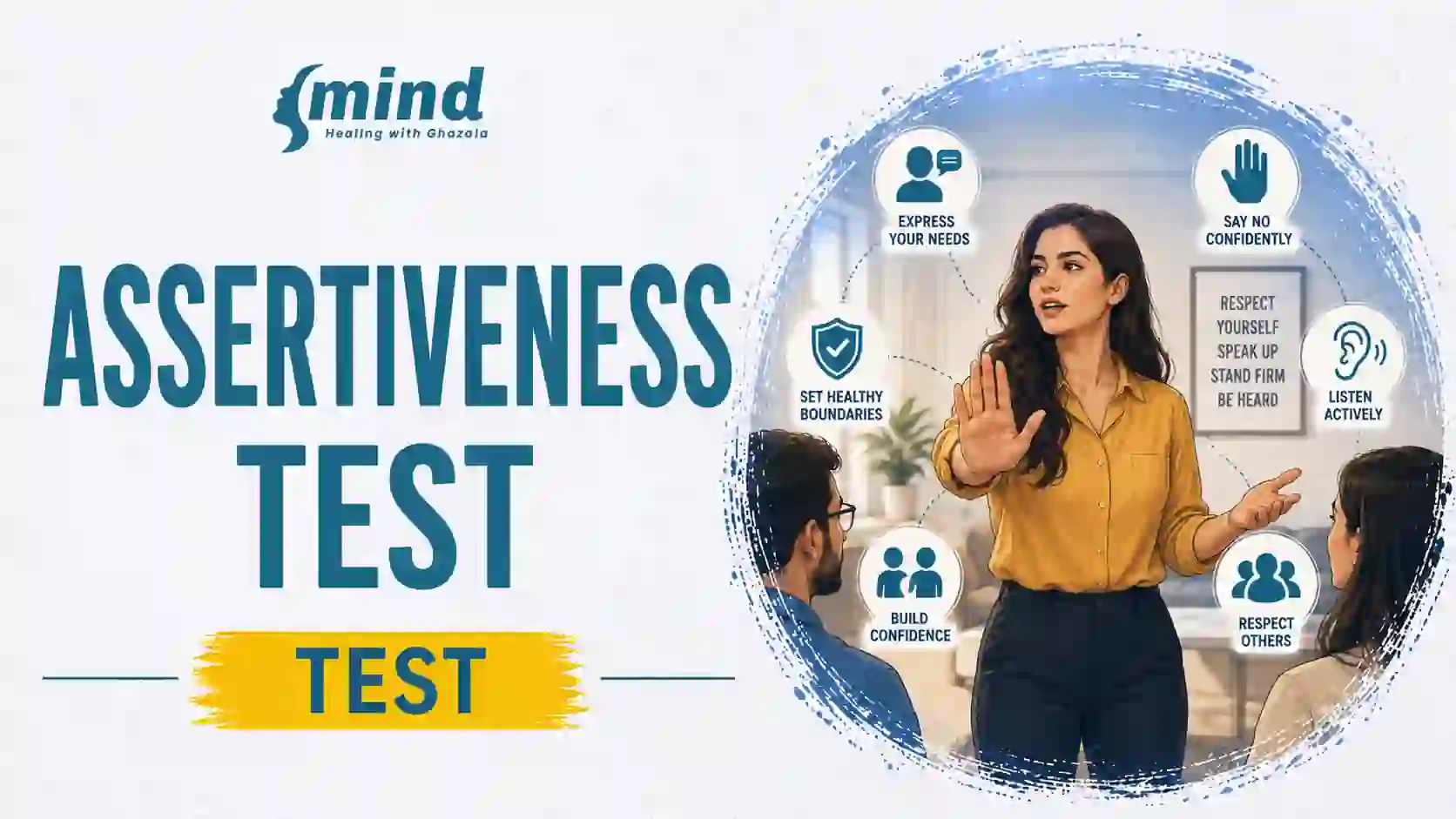
Assertiveness is the ability to express your thoughts, feelings, opinions, and needs in a clear, honest, and respectful way. It allows you to communicate confidently while also respecting the rights, feelings, and boundaries of others. Unlike passive communication, assertiveness helps you speak up for yourself. At the same time, unlike aggressive behavior, it encourages mutual respect instead of conflict.
Many people struggle with assertiveness because they fear rejection, criticism, or disappointing others. Consequently, they may avoid difficult conversations, agree to things they do not want, or remain silent when their opinions matter. Over time, these habits can lead to stress, frustration, resentment, and lower self-confidence.
Fortunately, assertiveness is a skill that can be learned and strengthened through practice. Therefore, improving your communication style can help you build healthier relationships, set clear boundaries, increase self-esteem, and make decisions with greater confidence.
People with low assertiveness may experience these signs:
- Finding it difficult to say “no.”
- Avoiding conflict even when something feels unfair.
- Keeping personal opinions to themselves.
- Feeling guilty after setting boundaries.
- Agreeing with others just to avoid disagreements.
- Struggling to ask for help or support.
- Allowing others to make important decisions for them.
- Feeling frustrated because personal needs remain unmet.
Now onto the Assertiveness assessment.
Instructions For Taking Assertiveness Test
Below is a list of statements related to your communication style, confidence, and everyday interactions with other people.
Please read each statement carefully and choose the response that best reflects how you usually think, feel, or behave.
Please note: This Assertiveness Test is a self-assessment tool. It is not a diagnostic test and should not replace advice from a qualified mental health professional.replace advice from a qualified healthcare or mental health professional.
Please note: This is a self-assessment and not a diagnostic test
Results
Your time:
Frequently Asked Questions (FAQs)
1. What is assertiveness?
Assertiveness is the ability to communicate honestly, respectfully, and confidently while protecting your own rights and respecting the rights of others. It helps create healthy and balanced relationships.
2. Why is assertiveness important?
Assertiveness improves communication, strengthens self-confidence, helps you set healthy boundaries, reduces unnecessary stress, and supports better personal and professional relationships.
3. Can assertiveness be learned?
Yes. Assertiveness is a skill that anyone can develop. By practicing clear communication, setting healthy boundaries, using confident body language, and expressing your needs respectfully, you can become more assertive over time.
