



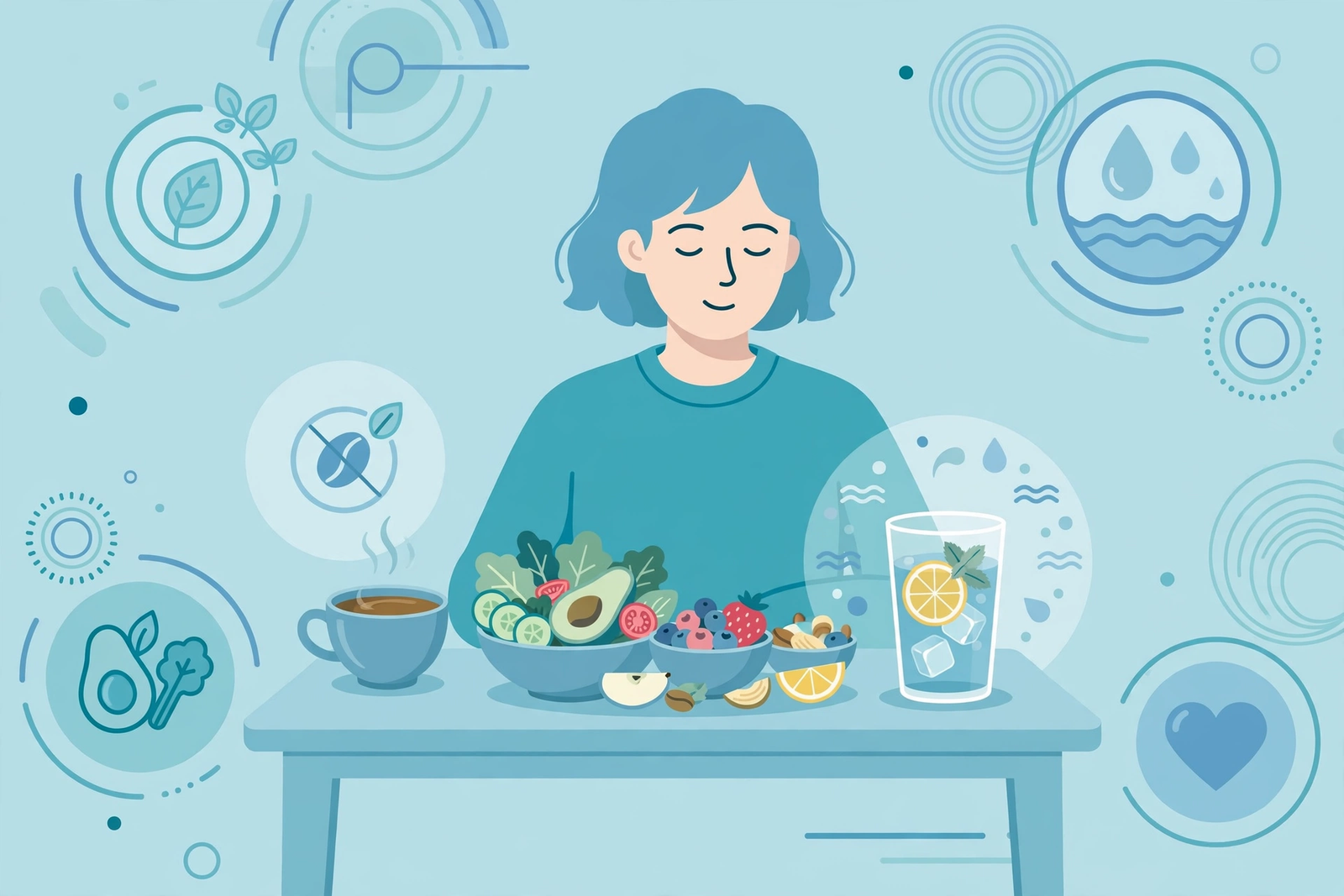
Caffeine addiction often develops in response to a combination of habits, lifestyle factors, and diet. While caffeine itself is a stimulant, the foods we eat can have a significant impact on how our bodies process caffeine and how dependent we become on it. Certain dietary choices can either exacerbate or alleviate caffeine dependence, making diet a crucial factor in managing addiction and improving overall health.
In this article, we will explore the relationship between diet and caffeine addiction, how various foods influence caffeine absorption and effects, and how adopting a balanced diet can help reduce caffeine dependence.
How Diet Influences Caffeine Absorption and Effects
The way our body processes caffeine is influenced by what we eat and drink. Certain foods and beverages can either speed up or slow down the absorption of caffeine, affecting how it impacts our energy levels, mood, and productivity.
1. Foods that Enhance Caffeine Absorption:
Certain foods can enhance the absorption of caffeine, leading to a more immediate and intense effect. For example:
- Sugary Snacks and Beverages: Consuming caffeine along with sugar can create a rapid surge in energy. While this may feel like a quick boost, the sugar rush quickly wears off, leading to an energy crash and potentially increasing the need for more caffeine to regain energy.
- Refined Carbs: Foods like white bread, pasta, and pastries can spike blood sugar levels quickly, leading to a temporary energy boost followed by a sharp decline. This roller-coaster effect can make individuals more reliant on caffeine to maintain energy throughout the day.
2. Foods that Slow Down Caffeine Absorption:
On the other hand, some foods can slow down caffeine absorption, resulting in a more gradual, sustained energy boost. These include:
- Protein-Rich Foods: Consuming caffeine with high-protein meals can help slow its absorption, leading to a more controlled release of energy. Protein helps stabilize blood sugar levels and maintain steady energy.
- Fiber-Rich Foods: Foods high in fiber, such as whole grains, fruits, and vegetables, can help regulate caffeine absorption, preventing rapid spikes in energy and reducing the likelihood of a caffeine crash.
3. Caffeine and Hydration:
Caffeine is a diuretic, meaning it increases urination and can lead to dehydration if consumed in excess. Dehydration can make you feel more tired and sluggish, prompting you to consume even more caffeine to stay alert. Drinking plenty of water throughout the day can help offset the dehydrating effects of caffeine and improve overall energy levels.
How a Poor Diet Exacerbates Caffeine Dependence
Diet plays a critical role in how the body responds to caffeine. A poor diet, particularly one that is high in processed foods, sugar, and refined carbohydrates, can exacerbate caffeine addiction by increasing the body’s reliance on caffeine to maintain energy and focus.
1. Blood Sugar Fluctuations:
A diet high in refined sugar and processed foods can cause significant fluctuations in blood sugar levels. These fluctuations can lead to feelings of fatigue, irritability, and cravings for caffeine, as your body seeks a quick energy fix. This cycle of sugar highs and crashes can create an unhealthy dependence on caffeine to restore energy levels.
2. Nutrient Deficiencies:
A poor diet may lack essential nutrients that help regulate energy levels, such as vitamins, minerals, and healthy fats. Nutrient deficiencies can make you feel more fatigued and sluggish, which may lead you to consume more caffeine to compensate for low energy levels. In particular, deficiencies in vitamins like B12, magnesium, and iron are often linked to fatigue and poor concentration, which caffeine may temporarily mask.
3. Digestive Issues:
A diet high in processed foods and low in fiber can lead to digestive issues like bloating, constipation, and indigestion. When the digestive system is not functioning optimally, the body’s ability to process caffeine may be compromised, leading to greater sensitivity to its effects and an increased need for caffeine to maintain energy.
How a Balanced Diet Helps Manage Caffeine Addiction
A balanced diet can help mitigate the negative effects of caffeine addiction and reduce dependence over time. By focusing on whole foods and ensuring adequate hydration and nutrition, you can support your body’s natural energy production and reduce the need for caffeine.
1. Eat a Balanced, Nutrient-Dense Diet:
A diet that is rich in whole grains, lean proteins, fruits, vegetables, and healthy fats can provide the body with sustained energy without the need for caffeine. By stabilizing blood sugar levels, a balanced diet helps prevent energy crashes, making you less reliant on caffeine for energy.
2. Include Magnesium-Rich Foods:
Magnesium is an essential mineral that supports relaxation, muscle function, and energy production. Consuming magnesium-rich foods like leafy greens, nuts, seeds, and whole grains can help reduce feelings of fatigue and stress, which may decrease your reliance on caffeine.
3. Consume Vitamin B12-Rich Foods:
Vitamin B12 plays a key role in energy production and cognitive function. Including B12-rich foods such as eggs, fish, and fortified cereals in your diet can help boost energy levels naturally, making you less likely to turn to caffeine for a pick-me-up.
4. Incorporate Healthy Fats:
Healthy fats, such as those found in avocados, nuts, seeds, and olive oil, provide long-lasting energy and help stabilize blood sugar levels. These fats also support brain function, which can help improve focus and productivity without the need for excessive caffeine consumption.
5. Hydrate Properly:
Staying hydrated is essential for maintaining energy levels. Aim to drink plenty of water throughout the day, particularly if you consume caffeine regularly. Water helps counteract caffeine’s dehydrating effects and keeps your body functioning optimally, reducing the need for caffeine.
Tips for Reducing Caffeine Intake Through Diet
Incorporating dietary changes can help reduce caffeine consumption and support healthier energy levels. Here are some tips for reducing caffeine dependence through diet:
1. Replace Caffeine with Herbal Teas:
Herbal teas like chamomile, peppermint, or ginger tea provide a soothing, caffeine-free alternative that can help with relaxation and digestion. These teas can be enjoyed throughout the day without causing the energy crashes associated with caffeine.
2. Snack on Nutrient-Dense Foods:
Instead of reaching for sugary snacks or energy drinks, opt for nutrient-dense snacks like nuts, seeds, fruits, and vegetables. These foods provide sustained energy and help prevent blood sugar fluctuations, reducing the temptation to rely on caffeine.
3. Gradually Reduce Caffeine Intake:
If you’re trying to reduce caffeine consumption, start by cutting back slowly. Gradual reduction can help minimize withdrawal symptoms and give your body time to adjust. Replacing one cup of coffee with a herbal tea or decaffeinated coffee can help ease the transition.
4. Focus on Whole Foods:
A diet focused on whole, unprocessed foods provides your body with the nutrients it needs to function at its best. Whole foods are naturally rich in vitamins, minerals, and fiber, all of which support stable energy levels and reduce the need for caffeine.
Frequently Asked Questions
How does diet affect caffeine dependence?
A poor diet, particularly one high in sugar and refined carbohydrates, can exacerbate caffeine dependence by causing energy crashes and nutrient deficiencies. A balanced diet helps stabilize blood sugar levels, reducing the need for caffeine.
What foods should I eat to reduce caffeine addiction?
Include nutrient-dense foods like whole grains, lean proteins, leafy greens, fruits, vegetables, and healthy fats. These foods provide steady energy and reduce the temptation to rely on caffeine for a quick boost.
Can caffeine make my digestive issues worse?
Yes, excessive caffeine consumption can irritate the stomach lining, leading to issues like acid reflux, bloating, and indigestion. A healthy, balanced diet can help improve digestion and reduce the need for caffeine.
How can I reduce my caffeine intake through diet?
Gradually replace caffeinated beverages with herbal teas or water, eat balanced meals, and avoid sugary snacks. Incorporating magnesium and B12-rich foods into your diet can also help reduce fatigue and stress.
Key Takeaways
Diet plays a crucial role in how the body responds to caffeine and in managing caffeine addiction. By adopting a balanced, nutrient-rich diet, you can stabilize energy levels, improve digestion, and reduce the need for caffeine. Gradually reducing caffeine intake, staying hydrated, and focusing on whole foods can help break the cycle of dependence and promote long-term health.
For more guidance on managing caffeine addiction and improving overall well-being through diet, contact us today.
