



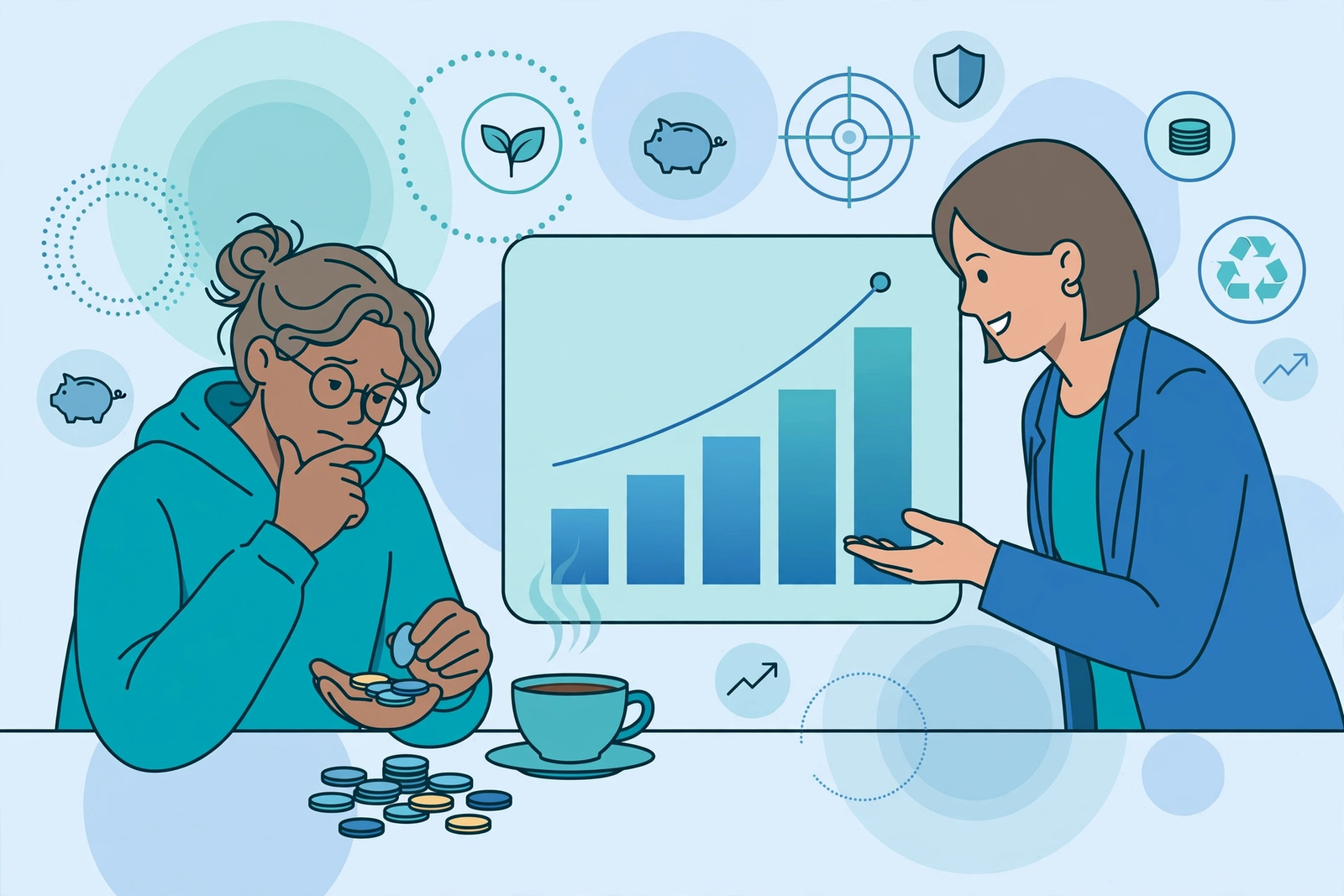
Caffeine addiction can have significant economic consequences, both in terms of personal finances and professional productivity. While many people view caffeine as a necessary part of their daily routine, the costs associated with excessive consumption often go unnoticed. From the money spent on coffee and energy drinks to the impact on work performance and long-term health, caffeine addiction can add up in ways that affect both your wallet and your productivity.
In this article, we will explore the economic impact of caffeine addiction, including its financial costs and the ways in which it affects productivity. We will also discuss strategies for managing caffeine consumption in a way that reduces financial strain and supports better work performance.
The Financial Costs of Caffeine Addiction
Caffeine addiction can lead to significant financial costs, especially when individuals regularly purchase expensive coffee drinks, energy drinks, or specialty caffeinated beverages. These costs can accumulate over time, leading to unnecessary spending that could be better allocated elsewhere.
1. Daily Caffeine Purchases:
For many people, buying coffee or tea from cafes and coffee shops is a daily routine. A standard coffee can cost anywhere from $2 to $5, and specialty drinks like lattes or frappuccinos can be even more expensive. If you purchase one coffee each day, this can add up to hundreds of dollars annually. Over time, this daily expense can strain personal finances, especially when there are additional costs for energy drinks or caffeine supplements.
For example:
- A daily coffee at $3 per cup equals $1,095 per year.
- A daily latte at $5 per cup equals $1,825 per year.
These figures do not account for the convenience costs or the potential for even more expensive purchases in areas with high coffee shop prices.
2. Energy Drinks and Caffeinated Supplements:
Many people who struggle with caffeine addiction turn to energy drinks or caffeinated supplements for an extra boost. Energy drinks often cost $2 to $5 per can, and with some individuals consuming multiple drinks per day, the costs can quickly escalate. For instance, if you drink two energy drinks a day at $3 each, you could spend $6 daily, totaling $2,190 per year.
Specialty caffeinated supplements, such as those used by athletes or individuals looking for an energy boost, can also add to the financial burden of caffeine addiction. These products can be expensive, with prices ranging from $10 to $30 per bottle.
3. Hidden Costs of Caffeine Addiction:
In addition to the direct costs of purchasing caffeine, there are hidden financial costs associated with caffeine addiction. These include:
- Health Costs: Chronic caffeine addiction can lead to health problems such as high blood pressure, digestive issues, insomnia, and anxiety. These conditions may require medical treatment, leading to additional healthcare expenses.
- Productivity Loss: Over-reliance on caffeine to function can lead to decreased work efficiency and productivity, which can result in lost income or fewer career advancement opportunities.
How Caffeine Addiction Impacts Productivity
While caffeine is often used to enhance productivity, excessive consumption can ultimately have the opposite effect, leading to diminished performance, increased absenteeism, and a decline in overall job satisfaction.
1. Decreased Focus and Concentration:
Caffeine provides a temporary boost in focus and mental clarity, but over time, the brain can become dependent on caffeine to maintain attention. As tolerance builds, individuals may find themselves needing more caffeine just to stay alert, which can eventually lead to decreased productivity as they struggle to maintain concentration without caffeine.
Additionally, the energy crashes that follow caffeine consumption can result in periods of low focus and motivation. These cycles of energy peaks and crashes can lead to an overall reduction in work output, as individuals may spend more time recovering from caffeine-induced fatigue than they do on productive tasks.
2. Increased Absenteeism:
Chronic caffeine addiction can lead to health problems such as anxiety, insomnia, and digestive issues, which can result in increased absenteeism from work. Individuals who experience caffeine withdrawal symptoms may find it difficult to work without their usual caffeine fix, leading to a drop in attendance and performance. This can impact both individual and team productivity, resulting in a loss of income or career opportunities.
3. Impact on Decision-Making:
Excessive caffeine consumption can lead to heightened stress and anxiety, which can impair decision-making abilities. When caffeine increases cortisol levels, the body remains in a heightened state of alertness, making it more difficult to make calm, rational decisions. In high-stakes professional environments, poor decision-making can lead to costly mistakes, decreased work quality, and missed business opportunities.
4. Increased Fatigue and Burnout:
Ironically, overuse of caffeine can contribute to chronic fatigue and burnout. As individuals become dependent on caffeine to maintain energy levels, they may experience more severe energy crashes and difficulty sleeping. This can result in a cycle of exhaustion, where individuals rely on caffeine to stay awake and alert, but the lack of quality sleep makes them even more dependent on caffeine the next day. Over time, this cycle can lead to burnout, diminished productivity, and a loss of motivation.
Strategies for Reducing the Economic and Productivity Costs of Caffeine Addiction
To reduce the economic impact of caffeine addiction and improve productivity, it’s essential to manage caffeine intake effectively. Here are some strategies for achieving this balance:
1. Set a Budget for Caffeine Purchases:
Establishing a monthly or weekly budget for caffeine-related expenses can help reduce unnecessary spending. Consider brewing coffee or tea at home, which can be significantly cheaper than buying beverages from coffee shops. You can also switch to more affordable caffeinated beverages like tea, which provides a gentler energy boost without the high price tag of specialty coffee drinks.
2. Gradually Reduce Caffeine Intake:
Rather than abruptly cutting caffeine from your routine, try gradually reducing your intake. This will help minimize withdrawal symptoms and give your body time to adjust. By gradually switching to decaffeinated drinks or lower-caffeine alternatives, you can reduce your dependency on caffeine and avoid the economic and productivity-related consequences of excessive consumption.
3. Incorporate Breaks and Physical Activity:
Take regular breaks throughout the day to stretch, walk, or engage in other forms of physical activity. Exercise can boost energy levels and improve focus naturally, reducing the need for caffeine to maintain productivity. Taking breaks also helps prevent burnout and reduces the negative impact of caffeine-induced anxiety and stress.
4. Focus on Improving Sleep Hygiene:
To reduce reliance on caffeine for alertness, prioritize good sleep hygiene. Get 7-9 hours of sleep each night, maintain a consistent sleep schedule, and avoid caffeine in the late afternoon or evening. Improved sleep will help you feel more energized and focused during the day, decreasing the need for caffeine to stay awake.
5. Adopt a Healthy Diet:
A balanced diet that includes whole grains, lean proteins, fruits, vegetables, and healthy fats can provide steady energy throughout the day, reducing the need for caffeine to boost alertness. Staying hydrated by drinking water can also help maintain energy levels without the stimulating effects of caffeine.
Frequently Asked Questions
How much money can I save by cutting back on caffeine?
By reducing your caffeine purchases, you could save hundreds or even thousands of dollars annually, depending on how much you spend on coffee, energy drinks, and caffeinated supplements. Switching to home-brewed coffee or tea can significantly reduce these costs.
Can caffeine addiction impact my career?
Yes, caffeine addiction can lead to decreased productivity, poor decision-making, and increased absenteeism, all of which can negatively affect your career. Managing caffeine intake can improve focus, reduce stress, and enhance overall work performance.
How can I reduce the impact of caffeine addiction on my finances and productivity?
Start by setting a budget for caffeine purchases, gradually reducing your caffeine intake, taking regular breaks, and focusing on improving your sleep and diet. These strategies can help you reduce reliance on caffeine and enhance both your financial situation and work performance.
Can caffeine consumption cause burnout?
Yes, overconsumption of caffeine can contribute to burnout by disrupting sleep patterns, increasing anxiety, and creating cycles of energy crashes and dependence. Managing caffeine intake can help prevent burnout and maintain productivity.
Key Takeaways
Caffeine addiction can have significant economic and productivity-related consequences. Excessive caffeine consumption can lead to unnecessary spending on high-calorie beverages, as well as decreased focus, productivity, and increased absenteeism. By managing caffeine intake, setting a budget, and incorporating healthy lifestyle changes such as improved sleep and exercise, individuals can reduce the economic burden of caffeine addiction and improve their overall work performance.
For personalized advice on managing caffeine consumption and enhancing productivity, contact us today.
