



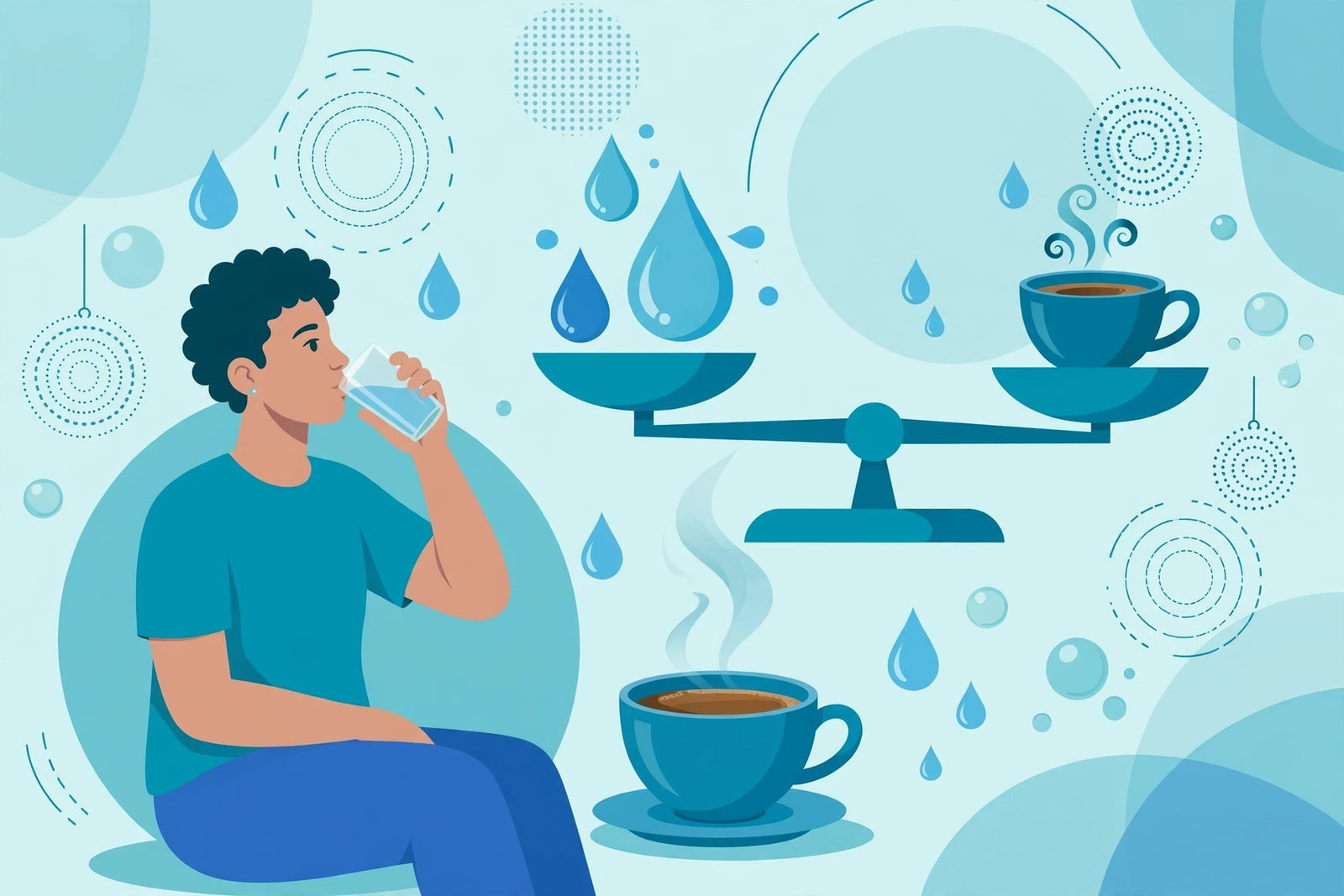
Caffeine is the most widely used stimulant in the world, commonly consumed through coffee, tea, and energy drinks. While caffeine has its benefits, one of its side effects is its diuretic nature, which can affect your body’s fluid balance and hydration levels. Many people don’t realize that consuming caffeine regularly can lead to dehydration, especially when combined with a lack of proper hydration.
In this article, we will explore how caffeine addiction affects hydration, the potential risks of dehydration, and strategies for maintaining proper fluid balance while consuming caffeine.
The Diuretic Effect of Caffeine
Caffeine is classified as a diuretic, which means it increases urine production. This effect occurs because caffeine stimulates the kidneys to excrete more sodium and water. While caffeine’s diuretic properties are well known, many people don’t fully understand how this can affect their overall hydration status, especially if they consume large amounts of caffeine throughout the day.
1. Increased Urine Production:
When you consume caffeine, your kidneys respond by filtering more fluid from the bloodstream into the urine. This leads to more frequent urination, which can result in a net loss of fluid from the body. The more caffeine you consume, the more pronounced this effect becomes, and over time, it can contribute to dehydration, especially if you’re not compensating for the fluid loss by drinking enough water.
2. Dehydration Risk:
For individuals who are addicted to caffeine and consume it in large quantities, the increased urine output can lead to dehydration. Dehydration occurs when the body loses more fluid than it takes in, which can impair bodily functions. Even mild dehydration can cause fatigue, headaches, dry skin, and reduced cognitive function, which are often masked by caffeine’s stimulating effects.
3. Caffeine Tolerance and Hydration:
Over time, the body may develop a tolerance to caffeine’s diuretic effects. While this might reduce the immediate fluid loss associated with caffeine consumption, it doesn’t eliminate the risk of dehydration, especially if you consume caffeine in large amounts. The body can become more accustomed to caffeine, but it still requires proper hydration to function optimally.
How Caffeine Addiction Contributes to Dehydration
Caffeine addiction can exacerbate the risk of dehydration by leading to a cycle of caffeine consumption and fluid loss. As individuals become more dependent on caffeine to stay alert and energized, they may neglect to drink enough water to offset the dehydration caused by their caffeine intake. This can lead to a constant state of mild dehydration, which negatively affects overall health.
1. Reduced Awareness of Dehydration Symptoms:
For individuals who consume caffeine regularly, the stimulating effects of caffeine can mask the symptoms of dehydration. For example, caffeine can temporarily boost energy levels, making it harder to recognize the signs of dehydration, such as fatigue, headaches, or dizziness. As a result, individuals may continue consuming caffeine without realizing that their body is becoming increasingly dehydrated.
2. Increased Risk of Fatigue and Headaches:
Dehydration is a common cause of fatigue and headaches, both of which are often alleviated by caffeine. However, when caffeine is consumed in excess without proper hydration, the underlying cause of these symptoms—dehydration—is not addressed, leading to a cycle of caffeine consumption that only temporarily alleviates the symptoms without resolving the root cause.
3. Caffeine and Electrolyte Imbalance:
Excessive caffeine consumption can also lead to an imbalance in electrolytes, which are essential for maintaining proper hydration and fluid balance. Caffeine-induced diuresis can cause a loss of electrolytes like sodium, potassium, and magnesium, which are vital for normal bodily functions. Electrolyte imbalances can lead to muscle cramps, weakness, and irregular heart rhythms, further complicating hydration efforts.
Signs of Dehydration Due to Caffeine Consumption
Caffeine addiction can lead to subtle dehydration symptoms that may go unnoticed or be attributed to other factors. However, chronic dehydration can have serious consequences for overall health and performance. Here are some signs that caffeine consumption may be contributing to dehydration:
1. Fatigue and Low Energy:
Dehydration can lead to feelings of fatigue and low energy, even if you’re consuming caffeine regularly. If you notice that you’re feeling tired or sluggish despite drinking coffee or energy drinks, dehydration may be the underlying cause.
2. Headaches:
Headaches are a common symptom of dehydration. While caffeine withdrawal can also cause headaches, regular caffeine consumption combined with inadequate hydration can contribute to chronic headaches that are difficult to treat with caffeine alone.
3. Dry Skin and Mouth:
Dehydration can cause the skin to become dry and less elastic, and it can also lead to a dry mouth. If you notice that your skin feels tight or your mouth feels parched despite consuming caffeine, dehydration may be the culprit.
4. Reduced Urine Output or Dark Urine:
If you are not drinking enough water to compensate for the fluid loss caused by caffeine, your body may produce less urine, and the urine may become darker in color. This is a clear sign of dehydration and indicates that you need to hydrate more effectively.
How to Stay Hydrated While Consuming Caffeine
While caffeine can contribute to dehydration, there are several strategies you can use to maintain proper hydration while still enjoying your daily cup of coffee or tea. Here are some tips to help you stay hydrated:
1. Balance Caffeine with Water:
For every cup of caffeinated beverage you consume, drink at least one glass of water to help offset the diuretic effects of caffeine. This will help replenish the fluids lost through increased urination and keep you properly hydrated throughout the day.
2. Drink Water Before Your Caffeine:
Start your day by drinking a glass of water before consuming any caffeine. This ensures that your body begins the day hydrated and can help prevent the dehydration caused by caffeine consumption. You can continue to drink water throughout the day to maintain hydration.
3. Limit Caffeine Intake:
To reduce the risk of dehydration, try to limit your caffeine intake to no more than 400 milligrams per day (about four cups of coffee). This will help reduce the diuretic effects of caffeine while still allowing you to enjoy its stimulating benefits. Avoid consuming caffeine too late in the day, as it can also interfere with your sleep and contribute to dehydration overnight.
4. Opt for Caffeine-Free Alternatives:
Consider replacing some of your caffeinated beverages with caffeine-free alternatives, such as herbal teas or water. These drinks can help hydrate your body without contributing to dehydration.
5. Incorporate Electrolyte-Rich Foods:
Incorporating foods rich in electrolytes, such as bananas, leafy greens, and nuts, can help replenish the electrolytes lost through caffeine-induced diuresis. Drinking electrolyte-enhanced water can also help maintain fluid balance and prevent dehydration.
Frequently Asked Questions
Can caffeine really cause dehydration?
Yes, caffeine is a diuretic, meaning it increases urine production, which can lead to dehydration if not offset by adequate water intake.
How can I stay hydrated if I drink a lot of caffeine?
Drink water alongside caffeinated beverages, limit caffeine intake to moderate levels, and make sure to drink enough water throughout the day to maintain hydration.
Does caffeine in coffee or tea cause more dehydration than energy drinks?
While all caffeinated drinks can contribute to dehydration, energy drinks often contain added sugars and artificial ingredients that can exacerbate the dehydrating effects of caffeine. Opting for coffee or tea without added sugars is a healthier choice.
How can I tell if I’m dehydrated from caffeine consumption?
Signs of dehydration include fatigue, headaches, dry skin or mouth, and dark urine. If you experience these symptoms, increase your water intake and reduce caffeine consumption.
Key Takeaways
Caffeine addiction can lead to dehydration by increasing urine production and disrupting fluid balance. While caffeine provides temporary energy, it is important to maintain proper hydration by drinking water alongside caffeinated beverages, limiting caffeine intake, and incorporating electrolyte-rich foods. Staying hydrated will help you avoid the negative effects of dehydration, improve your overall health, and prevent the cycle of dependence on caffeine for energy.
For more guidance on managing caffeine consumption and staying hydrated, contact us today.
