



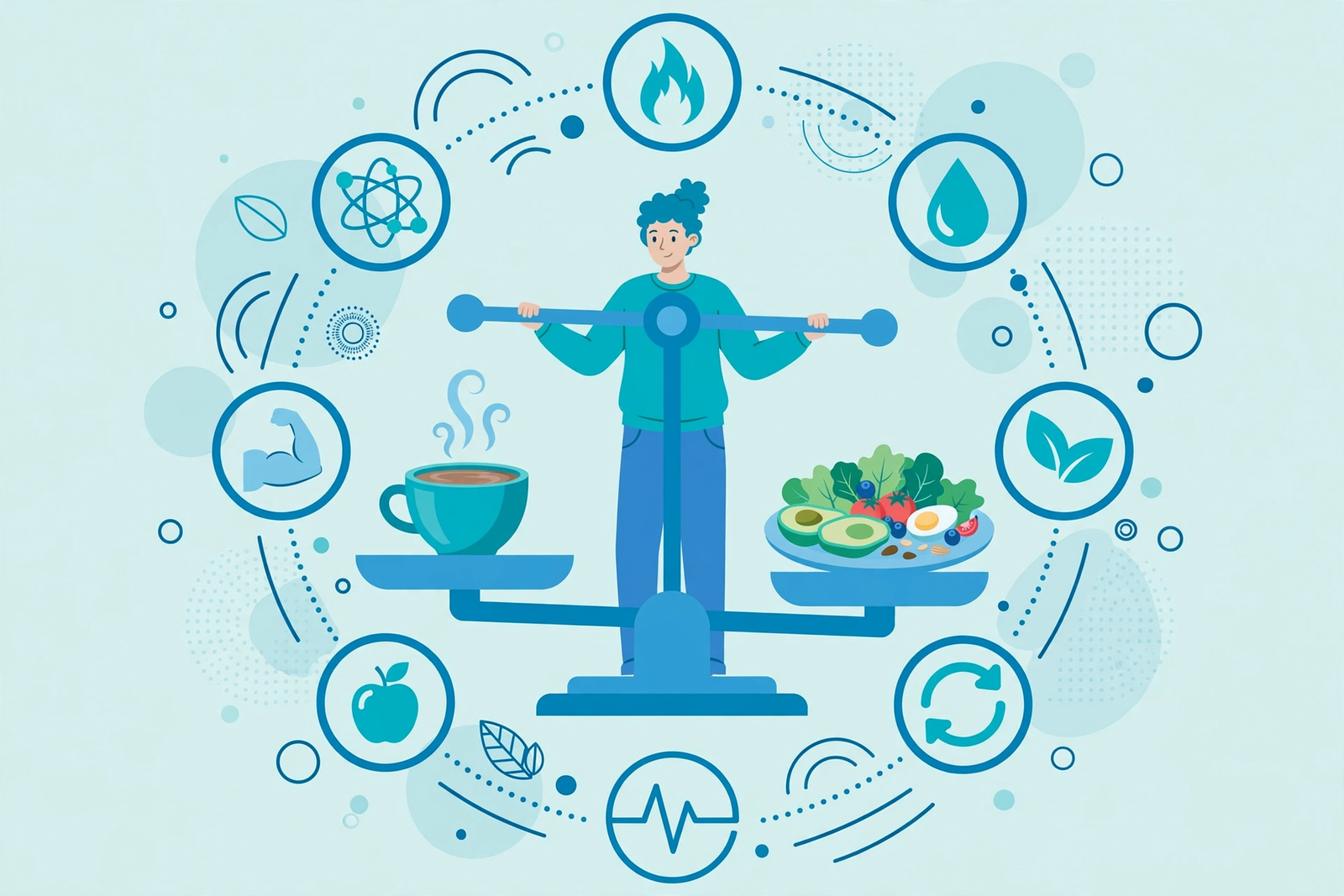
Caffeine is a stimulant that can have various effects on the body, including its influence on metabolism and appetite. For many individuals, caffeine plays a central role in daily routines, often consumed to boost energy and focus. However, the relationship between caffeine consumption and weight management is more complex than it may seem. While caffeine can have short-term effects on metabolism, excessive consumption can also contribute to unhealthy eating habits and long-term weight gain.
In this article, we will explore how caffeine addiction affects metabolism, appetite, and weight management. We will also discuss strategies for managing caffeine intake in a way that supports healthy weight management and overall wellness.
The Impact of Caffeine on Metabolism
Caffeine is often promoted as a metabolism booster, and for good reason. It has been shown to temporarily increase metabolic rate by stimulating the central nervous system. This can lead to a short-term increase in energy expenditure, which may contribute to fat burning and weight loss in some individuals.
1. Thermogenesis and Fat Oxidation:
Caffeine can increase thermogenesis, the process by which the body produces heat and burns energy. This effect is particularly beneficial for those looking to burn fat and improve metabolic efficiency. Caffeine stimulates the release of fatty acids from fat tissue, making them available for energy use. This is why caffeine is commonly found in many weight-loss supplements.
2. Increased Physical Performance:
Caffeine is known to enhance physical performance by increasing alertness, reducing perceived effort, and delaying fatigue. As a result, caffeine can help individuals exercise longer or at higher intensities, leading to greater calorie burn. This can, in turn, aid in weight management by increasing overall physical activity levels.
3. Metabolic Adaptation:
Over time, however, the body can become tolerant to caffeine’s metabolic effects. As caffeine is consumed regularly, the body’s response to it may diminish, requiring higher doses to achieve the same effects. This metabolic adaptation can contribute to the development of caffeine dependence, leading to a cycle of increased consumption to maintain weight-loss benefits that are no longer as effective.
The Link Between Caffeine Addiction and Appetite
While caffeine has metabolism-boosting effects, it also plays a significant role in appetite regulation. For some, caffeine may reduce hunger, making it easier to consume fewer calories and manage weight. However, in those who become addicted to caffeine, the effects on appetite can become more complex.
1. Appetite Suppression:
Caffeine can suppress appetite in the short term by affecting certain hormones that regulate hunger. Specifically, caffeine can increase levels of cortisol and adrenaline, which suppress appetite and increase feelings of fullness. This can lead to reduced food intake in the hours following caffeine consumption, which may contribute to weight loss in some individuals.
However, this effect is typically short-lived and may diminish with regular caffeine use as the body becomes tolerant to its appetite-suppressing effects.
2. Increased Cravings and Overeating:
While caffeine may reduce appetite temporarily, its stimulating effects can also lead to an increased desire for sugary or high-calorie foods. Many people consume caffeine in the form of sugary coffee drinks or energy beverages, which can trigger cravings and lead to overeating. The combination of caffeine’s stimulating effects and high-calorie snacks can create an unhealthy cycle that negates the positive effects of caffeine on metabolism.
3. Caffeine Withdrawal and Appetite:
For those who become addicted to caffeine, withdrawal can lead to increased hunger and cravings. When caffeine is reduced or eliminated, the body experiences a drop in energy levels, which may trigger feelings of hunger and a desire for comfort foods. This can make it difficult to maintain healthy eating habits during the process of cutting back on caffeine, potentially leading to weight gain.
Caffeine Addiction and Weight Gain
While caffeine has metabolism-boosting properties, excessive caffeine consumption, particularly in the form of sugary beverages, can contribute to weight gain. Over time, caffeine addiction can disrupt healthy eating habits and lead to poor dietary choices that hinder weight management.
1. High-Calorie Caffeine Beverages:
One of the most significant contributors to weight gain from caffeine addiction is the consumption of high-calorie caffeinated drinks. Many people add sugar, cream, or flavored syrups to their coffee, which can quickly turn a low-calorie beverage into a high-calorie indulgence. Energy drinks, which are often loaded with sugar and artificial ingredients, can also contribute to excessive calorie intake.
These drinks may provide a quick energy boost, but they can also lead to weight gain if consumed regularly, particularly when paired with a sedentary lifestyle or poor diet.
2. Caffeine as a Crutch for Energy:
Caffeine addiction can lead to a cycle where individuals rely on caffeine to stay awake and alert, often neglecting other essential lifestyle factors like sleep, nutrition, and exercise. Poor sleep and irregular eating habits can contribute to weight gain, and caffeine dependence can exacerbate these issues by masking the underlying causes of fatigue and low energy levels.
3. Dehydration and Water Retention:
Caffeine is a diuretic, which means it increases urine production and can lead to dehydration. When the body is dehydrated, it may retain water in an attempt to prevent further fluid loss. This can cause temporary weight gain due to water retention, which may make it more difficult to manage weight effectively.
Strategies for Managing Caffeine and Weight
To maintain a healthy weight while managing caffeine consumption, it’s important to adopt a balanced approach. Here are some strategies that can help:
1. Monitor Caffeine Intake:
Be mindful of how much caffeine you consume each day. Try to limit caffeine intake to no more than 400 milligrams per day (about four cups of coffee). Keep track of how caffeine affects your energy levels and appetite, and adjust your intake accordingly.
2. Choose Healthier Caffeine Sources:
Opt for healthier sources of caffeine, such as black coffee or green tea, which are low in calories and provide a more moderate caffeine boost. Avoid sugary coffee drinks and energy drinks, which can contribute to excessive calorie intake and weight gain.
3. Focus on Whole Foods:
A nutrient-dense diet is essential for supporting healthy metabolism and weight management. Incorporate whole grains, lean proteins, fruits, vegetables, and healthy fats into your meals to provide steady energy and prevent overeating. A balanced diet will help stabilize blood sugar levels, reduce cravings, and reduce the need for caffeine to manage fatigue.
4. Stay Hydrated:
Drinking plenty of water throughout the day is crucial for weight management and overall health. Water helps maintain hydration, flush out toxins, and support proper digestion. Adequate hydration can also help reduce caffeine cravings and prevent water retention caused by dehydration.
5. Exercise Regularly:
Physical activity can help counteract the negative effects of caffeine on weight. Regular exercise increases metabolism, helps burn calories, and promotes fat loss. It also provides natural energy, reducing the need for caffeine to stay awake and alert.
Frequently Asked Questions
Can caffeine contribute to weight gain?
Yes, excessive caffeine consumption, especially in the form of sugary beverages, can contribute to weight gain by increasing calorie intake and promoting unhealthy eating habits.
How does caffeine affect metabolism?
Caffeine temporarily boosts metabolism by increasing thermogenesis and fat oxidation. However, regular caffeine use can lead to tolerance, reducing its metabolic effects over time.
Can caffeine make me crave unhealthy foods?
Yes, caffeine can trigger cravings for sugary or high-calorie foods, particularly when consumed with sugary coffee drinks or energy beverages. These cravings can contribute to overeating and weight gain.
How can I manage caffeine intake for better weight management?
Limit your caffeine intake, choose healthier caffeine sources, focus on a balanced diet, stay hydrated, and exercise regularly to support weight management without relying on caffeine.
Key Takeaways
Caffeine addiction can affect weight management by influencing metabolism, appetite, and eating habits. While moderate caffeine consumption can offer metabolic benefits, excessive intake, especially through sugary beverages, can contribute to weight gain and poor dietary choices. By managing caffeine intake, opting for healthier caffeine sources, and adopting a balanced diet and active lifestyle, individuals can improve weight management and overall health.
For more guidance on managing caffeine consumption and supporting healthy weight management, contact us today.
