



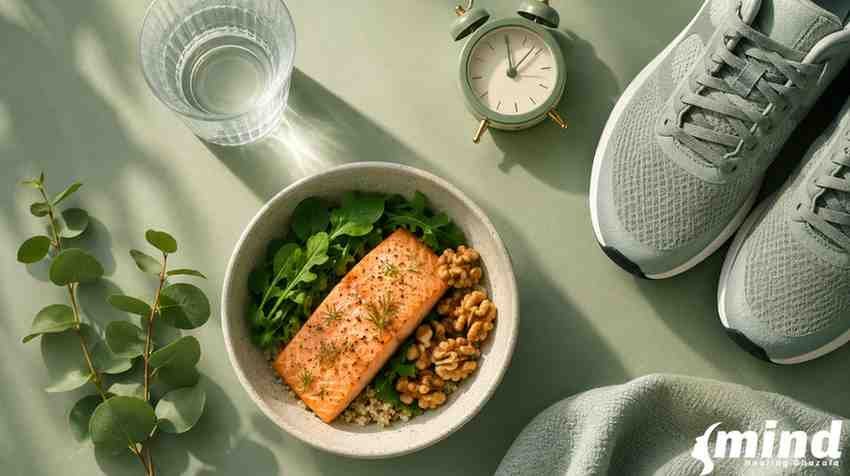
Key Points
- Dietary Influence: What we eat has a profound effect on our mood and mental health. Certain foods can increase anxiety symptoms, while others help relieve them.
- Physical Activity: Regular exercise is one of the most effective ways to reduce anxiety. It releases endorphins and regulates the body’s stress response.
- Sleep Quality: Sleep is crucial for mental health. Poor sleep can worsen anxiety symptoms by preventing the brain from processing emotions effectively.
- Stress Management: Learning to manage chronic stress through mindfulness and deep breathing is essential for reducing long-term anxiety.
Anxiety is a complex condition that affects emotional, physical, and mental well-being. Therapy and medication are often essential parts of treatment. Yet the connection between lifestyle and anxiety is just as powerful, because your daily habits shape the brain chemistry that drives your symptoms.
In this article, we will explore how various lifestyle factors influence anxiety levels. We will look at how you can build healthy habits into your routine to manage anxiety effectively, based on the latest 2026 insights.
1. The Role of Diet in Managing Anxiety
What we eat has a direct impact on our brain chemistry. Understanding how diet affects anxiety is a key part of managing the condition effectively.
1.1 Foods That Can Increase Anxiety
Some foods and beverages raise anxiety symptoms by affecting the body’s stress response.
- Caffeine: It provides an energy boost, but it can also increase nervousness and restlessness. High doses elevate the heart rate and blood pressure.
- Sugar and Refined Carbohydrates: Diets high in sugar cause blood sugar spikes and crashes. These swings lead to mood changes and increased irritability.
- Processed Foods: Fast food and packaged snacks often contain unhealthy fats and preservatives. These can harm brain function and mood regulation.
1.2 Foods That Can Help Reduce Anxiety
On the other hand, certain foods help regulate mood and promote relaxation.
- Omega-3 Fatty Acids: Foods like salmon, mackerel, and walnuts have been shown to ease anxiety. A meta-analysis published in JAMA Network Open found that omega-3 supplementation was linked to a significant reduction in anxiety symptoms.
- Magnesium-Rich Foods: Magnesium is known for its calming effect on the nervous system. Leafy greens, nuts, and seeds are excellent sources.
- Probiotic-Rich Foods: Research from Harvard Health shows that gut health is closely linked to mental health. Foods like yogurt and kefir improve the gut microbiome and support a balanced mood.
- Complex Carbohydrates: Whole grains and oats stabilize blood sugar levels and promote serotonin production.
1.3 Hydration and Anxiety
Dehydration can worsen symptoms of anxiety, including irritability, fatigue, and difficulty concentrating. Drinking enough water throughout the day helps maintain proper brain function and reduces these symptoms.
2. The Impact of Physical Activity on Anxiety
Regular physical activity is one of the most effective ways to reduce anxiety. Exercise affects the brain directly by releasing endorphins. These are chemicals that promote feelings of happiness and well-being.
2.1 How Exercise Reduces Anxiety
According to the Anxiety and Depression Association of America (ADAA), even a brief walk can begin to ease anxious feelings. Exercise reduces anxiety in several ways:
- Endorphin Release: Physical activity stimulates the release of natural feel-good chemicals. These promote relaxation and counter symptoms of anxiety.
- Regulation of Stress Hormones: As Harvard Health explains, exercise lowers stress hormones like adrenaline and cortisol. By regulating cortisol, exercise helps prevent physical symptoms such as a rapid heart rate.
- Improved Sleep: Regular exercise improves sleep quality. Better sleep reduces the physical and emotional toll of anxiety.
2.2 Types of Exercise for Anxiety Relief
Any form of physical activity helps, but some are especially beneficial:
- Aerobic Exercise: Activities like walking, jogging, and swimming improve cardiovascular health and release endorphins.
- Yoga: Yoga combines physical movement with deep breathing and mindfulness. It promotes relaxation and reduces muscle tension.
- Strength Training: Weight lifting or resistance training has been shown to reduce anxiety and build confidence.
- Mindful Movement: Activities like tai chi or Pilates combine movement with focus and awareness to reduce stress.
3. The Role of Sleep in Anxiety Management
Sleep is crucial for mental health. When we do not get enough restful sleep, our brains struggle to process emotions and manage stress. Anxiety and sleep disturbances often go hand in hand.
3.1 The Link Between Sleep and Anxiety
Lack of sleep raises cortisol levels, which makes it harder to manage anxiety throughout the day. The Sleep Foundation describes this as a two-way street: poor sleep fuels anxiety, and anxiety then makes sleep even harder.
- The Role of REM Sleep: REM sleep allows the brain to process emotions and memories. Poor sleep quality prevents you from entering this stage, which leads to emotional instability.
3.2 Improving Sleep Hygiene
Good sleep hygiene helps people with anxiety get the rest they need. A few tips:
- Establish a Regular Schedule: Going to bed and waking up at the same time each day regulates your body’s internal clock.
- Create a Relaxing Routine: Calming activities like reading or meditating before bed signal to your body that it is time to wind down.
- Limit Caffeine and Screens: Avoid caffeine in the afternoon. Limit screen time before bed, since blue light interferes with melatonin production.
4. Managing Stress to Reduce Anxiety
Chronic stress is a major contributor to anxiety. Learning to manage it is essential for your overall well-being.
4.1 Mindfulness and Meditation
Mindfulness involves focusing on the present moment and observing your thoughts without judgment. This calms the mind and reduces worry. Practicing mindfulness daily promotes relaxation and long-term stress management. For a deeper guide, see our article on mindfulness for anxiety.
4.2 Deep Breathing Techniques
Deep breathing exercises activate the body’s relaxation response. Techniques like diaphragmatic breathing or box breathing use slow, deep breaths to calm the nervous system.
4.3 Time Management
Effective time management reduces the feeling of being overwhelmed. When you break tasks into smaller steps and set realistic goals, you manage stress more effectively.
Red Flags to Watch For
It is important to recognize when lifestyle changes are not enough. Some red flags include:
- Chronic anxiety that interferes with your daily life or relationships.
- Physical symptoms such as persistent headaches or stomachaches.
- Avoidance of responsibilities or social activities because of anxiety.
- Escalating anxiety that worsens over time despite healthy habits.
If these sound familiar, reach out to a qualified professional who can help you build a personalized plan.
Frequently Asked Questions
1. How can exercise help with anxiety?
Exercise helps by releasing endorphins and regulating stress hormones like cortisol. It improves mood and builds overall mental resilience.
2. Can changing my diet help reduce anxiety?
Yes. A balanced diet rich in omega-3s and magnesium can help manage symptoms. Avoiding caffeine and sugar also reduces physical nervousness.
3. How can I improve my sleep if anxiety is keeping me awake?
Establish a regular sleep schedule and create a relaxing bedtime routine. Avoid screens before bed so your brain produces enough melatonin.
Key Takeaways
Lifestyle factors play a crucial role in anxiety management. Regular exercise, a balanced diet, good sleep hygiene, and stress management techniques can significantly reduce symptoms.
When you focus on these daily habits, you build a strong foundation for your mental health. The link between lifestyle and anxiety is one of the most empowering truths in modern mental wellness, because it puts real, lasting change within your own hands.
